
BRIN strengthens solar cell research ecosystem to support solar power plant development
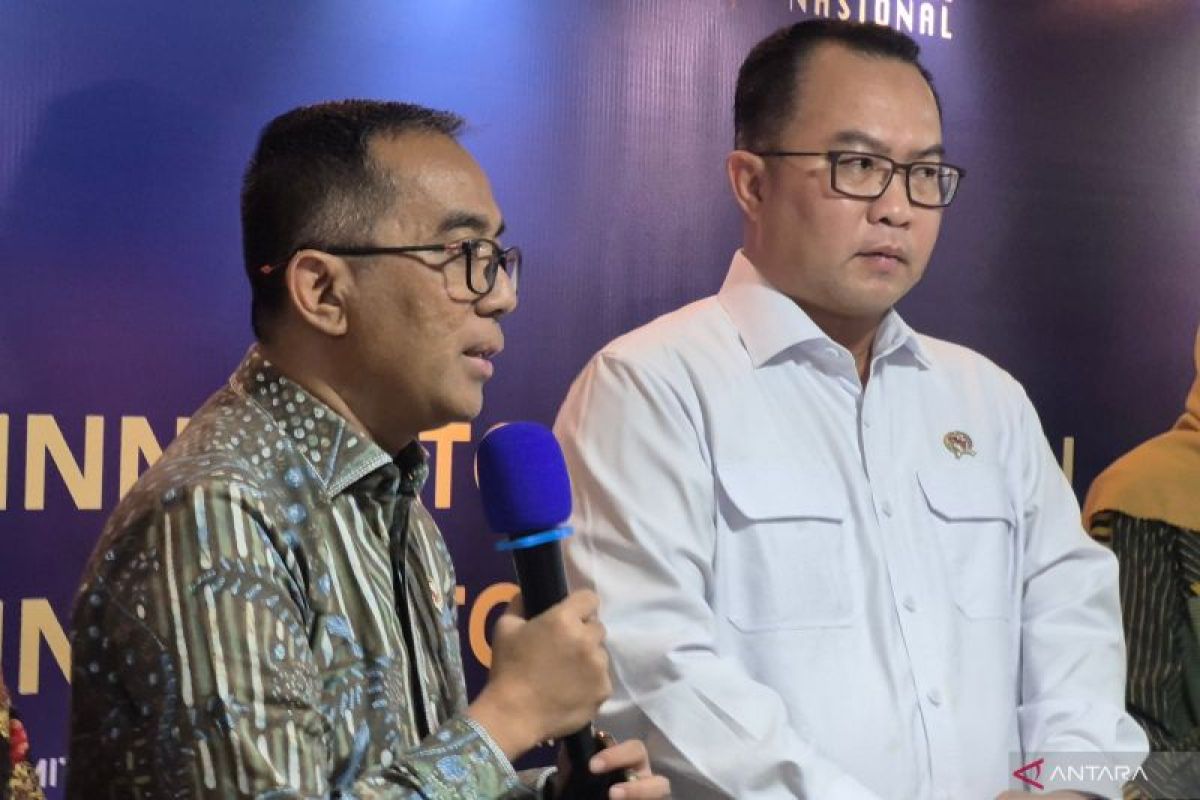
The National Research and Innovation Agency (BRIN) is strengthening its research ecosystem related to solar power to support the solar power plant (PLTS) projects initiated by Indonesian President Prabowo Subianto, according to BRIN Head Arif Satria.
“BRIN continues to encourage breakthroughs that go beyond the use of conventional silicon solar panel technology. One of the upstream technological leaps we are developing as part of the future energy infrastructure is Dye-Sensitized Solar Cells (DSSC),” Satria told ANTARA in Jakarta on Sunday.
Satria explained that the main advantage of the DSSC technology under development is its high sensitivity, which allows it to operate and generate electricity even indoors.
According to him, this innovation opens new breakthroughs in the energy efficiency of future buildings, where lamp light or indirect sunlight from windows is sufficient to harvest clean energy independently.
To support this research, Satria said that international-standard facilities have been put into operation in Serpong, South Tangerang.
“In the Serpong area, we have an engineering centre specifically equipped with a photovoltaic testing laboratory,” he said.
Satria stated that this facility serves as the backbone for BRIN researchers in developing, testing structures, and ensuring the reliability of solar panels so that they are suitable and optimal when implemented in Indonesia’s tropical climate conditions.
In addition, Satria revealed that BRIN is working with state electricity company PLN to develop integrated Microgrid PLTS technology with Energy Storage suited to local conditions to replace diesel power plants (Dedieselisation Programme), as well as solar power for irrigation and agriculture.
BRIN is also conducting research on Virtual Power Plant (VPP) technology as a strategy to significantly reduce dependence on fossil-based power generation on the upstream side.
“This innovation gives rise to a new electricity business model in which end-users of electrical energy are no longer merely recipients of supply from upstream, but operators will transform into facilitators of electricity trading between communities,” said Satria.
Previously, President Prabowo Subianto announced that the government will build solar power plants with a capacity of 30 gigawatts (GW) and retire 13 GW of diesel power plants by 2026.
The President said Indonesia has enormous solar energy potential because it receives sunlight almost all year round. This condition is considered exploitable for providing electricity, especially in remote areas.
Prabowo said the use of solar power can also strengthen national energy independence by reducing the need for fuel oil for power generation.
The government is targeting the gradual construction of solar power plants to reach a capacity of 100 GW.
“Ideally, every village could have a 1 Megawatt solar power plant. If the village is willing to prepare the land, we can do it. We can assure them that they can get a 1 MW solar power plant per village,” said President Prabowo during the Government’s Introductory Statement on the Draft Law on the 2027 State Budget and its Financial Note on 14 August.