
BRIN: Silent Tsunami Threat Not Always Preceded by Strong Earthquakes
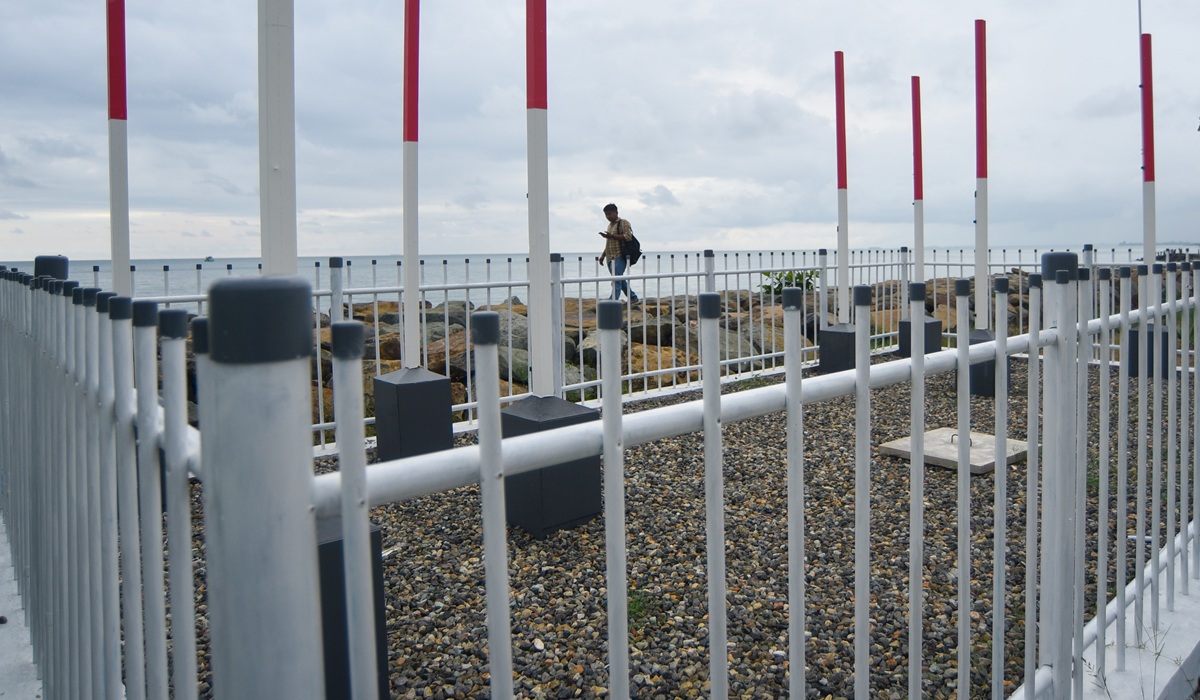
Senior Tsunami Researcher at the National Research and Innovation Agency (BRIN), Widjokongko, has issued a warning about the threat of tsunamis in Indonesia that are not always preceded by strong earthquakes. Several events have demonstrated the phenomenon of a ‘silent tsunami’, where a tsunami is triggered by an earthquake with weak shaking, causing the public to often be late in recognising the threat. Speaking at the Denpasar 12 Discussion Forum entitled ‘Increased Seismic Activity in the Pacific: Implications and Anticipatory Steps for Indonesia’ on Wednesday (15/7), Widjokongko stated that science-based mitigation strategies are key to increasing the resilience of coastal communities against the tsunami threat. He explained that, based on records from approximately the last 300 years, the Pacific region has experienced at least 13 major tsunamis triggered by earthquakes with a magnitude greater than 8, ranging from the Orphan tsunami in 1700 to the 2011 Tohoku and Hunga Tonga tsunamis. Widjo noted that around 60 per cent of tsunamis worldwide are triggered by tectonic activity, while about 10 per cent originate from volcanic activity. These characteristics are almost identical to the conditions in Indonesia. He highlighted the phenomenon of silent tsunamis, which occur even though the earthquake tremors are only felt weakly or as a gentle sway, meaning the public does not immediately evacuate. ‘A silent tsunami does not actually mean the earthquake is not felt, but it feels very subtle, a swaying motion,’ he said. According to Widjo, Indonesia has different characteristics compared to other countries because the proportion of silent tsunami events is relatively high. ‘In Indonesia, of the existing tsunamis, around 50 per cent are silent tsunamis. Globally, the figure is 8 per cent,’ he stated. Besides being triggered by tectonic earthquakes, tsunamis can also originate from underwater landslides or the collapse of volcanic bodies. He therefore reminded that mitigation must not focus on just one type of threat. Widjo also touched on the existence of seismic gaps, which are areas that have not experienced a major earthquake for a long time but still hold the potential for energy release. ‘There are seismic gaps, a void with no activity for a long time, but it actually has potential,’ he said. He emphasised that the existence of these zones needs to be continuously researched and monitored as a basis for developing mitigation strategies. He stressed that risk mapping, public education, and the strengthening of early warning systems must be carried out continuously so that coastal communities are better prepared to face future tsunami threats.