
BRIN Says Tobacco Nicotine Restriction Rules Need Decades of Research
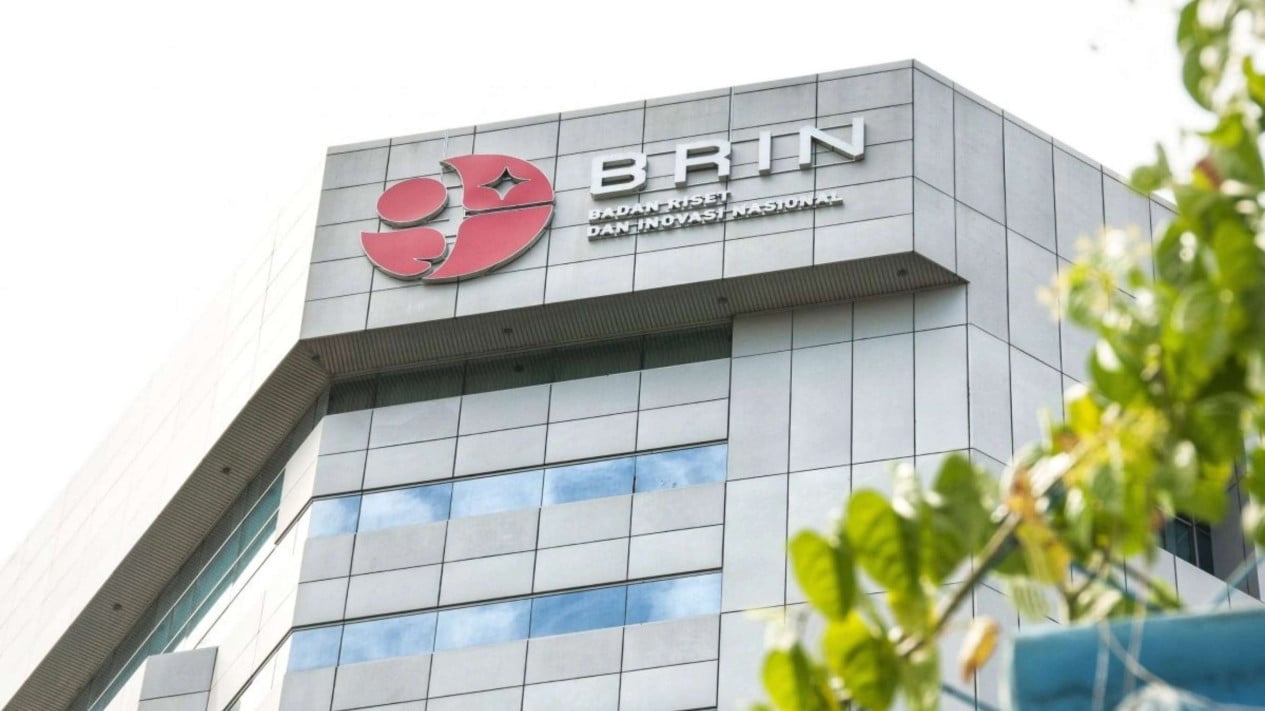
Jakarta, VIVA – The Coordinating Ministry for Human Development and Culture’s (Kemenko PMK) plan to limit nicotine and tar levels in tobacco products has drawn attention from scientists.
The National Research and Innovation Agency (BRIN) has reminded the government not to rush into ratifying the policy.
BRIN considers the regulation to be not merely a matter of setting nicotine limit figures, but one that concerns the fate of the entire national tobacco ecosystem.
If implemented without a well-prepared transition period, the rule is feared to trigger socio-economic upheaval, particularly for millions of people whose livelihoods depend on the upstream to downstream tobacco sector.
Setiari Marwanto, Head of BRIN’s Research Centre for Estate Crops, revealed that the current restriction target is directed only at tobacco products undergoing further processing, such as molasses tobacco. Meanwhile, for conventional tobacco products such as kretek, cut-rag tobacco and cigars, discussion has been postponed for the time being.
“That decision was taken after the government received various inputs at the last meeting in June. So, discussions will be focused on tobacco products that go through further processing, while cut-rag tobacco, cigars and similar products are postponed for now,” said Setiari Marwanto in a statement quoted on Monday, 3 August 2026.
He also revealed that a proposal had emerged from one ministry suggesting that the implementation of nicotine and tar level restrictions could be carried out with a transition period of around 30 years.
This was based on careful consideration and the fact that practice is not necessarily as easy as theory, meaning there is a risk that implementation may not succeed directly.
“This issue is not a simple matter. Many aspects must be considered, starting from the farmer level — whether they will keep planting the current varieties or must switch to new varieties with lower nicotine levels. Then another question arises: will the reduction of nicotine levels be the responsibility of factories through the processing stage, or will it instead be placed on farmers through changes to plant varieties? In fact, nicotine levels themselves are heavily influenced by many factors because their main component relates to nitrogen,” he explained.
Setiari continued that when the nicotine level restriction is implemented — with nicotine levels set very low at <1% or equivalent to <10 mg/g — it must also be considered whether varieties will change, how the fertilisation system will work, whether factories must change their formulation or blending of tobacco, and then whether the product’s taste can still be accepted by consumers must be tested again.
Source: jawawa.id (https://jawawa.id/newsitem/brin-says-tobacco-nicotine-restriction-rules-need-decades-of-research-1785729074)
Originally published by VIVA.co.id (https://www.viva.co.id/berita/nasional/1918501-brin-sebut-aturan-pembatasan-nikotin-tembakau-butuh-riset-puluhan-tahun), translated from Indonesian