
BRIN Reveals 10 New Orchid Species That Have Been "Hiding" in Indonesia's Forests
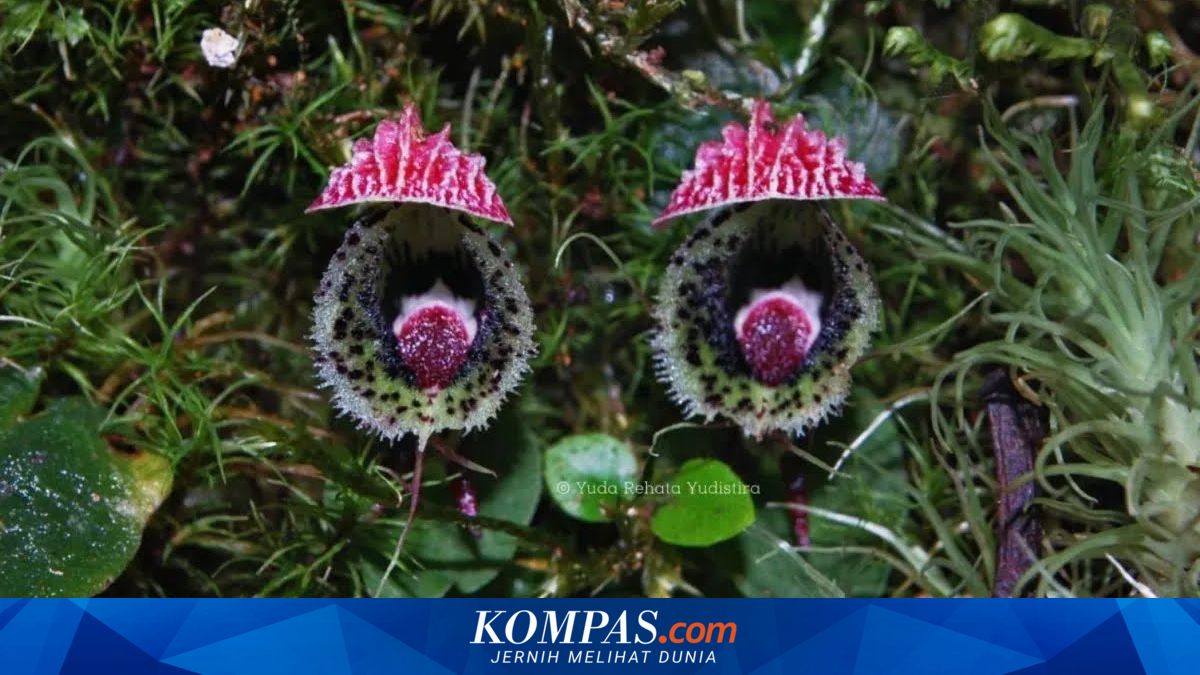
Efforts to strengthen data on Indonesia’s biodiversity have once again yielded significant results. The National Research and Innovation Agency (BRIN), in collaboration with research partners, has successfully documented 10 new records of orchid species distributed across various regions of the Indonesian archipelago. This finding reaffirms that the Wallacea area and eastern Indonesia still hold vast untapped floral potential that has not been fully documented in the national scientific database. The ten orchid species newly recorded in Indonesia include: [Note: Specific species list not detailed in the provided article excerpt.] A researcher from BRIN’s Centre for Biosystematics and Evolution Research (PRBE), Aninda Retno Utami Wibowo, explained that the team employed a series of rigorous scientific methods, from field explorations and morphological documentation to comparative analyses with national and international herbarium collections. “This demonstrates that Indonesia, particularly the Wallacea region and eastern Indonesia, still harbours much undocumented orchid diversity potential. Field explorations and herbarium studies need to be continuously strengthened to enrich national biodiversity data,” Aninda stated, as quoted by Antara. In addition to adding to the list of floral wealth, several discovered species exhibit interesting biogeographical distribution patterns. One of them is Anoectochilus papuanus, previously known only from Papua and the Solomon Islands, but now found in East Java. Another intriguing find is Dendrobium teretifolium. This orchid, originally from Australia, also has populations in East Nusa Tenggara (NTT). These shifts and expansions in distribution data are important notes for botanists in understanding plant migration and evolution in the Asia-Pacific region. “Accurate species documentation is necessary to support habitat protection and strengthen data-based conservation policies,” Aninda added. This discovery serves as evidence that the involvement of various research institutions and local conservation foundations is crucial in mapping Indonesia’s hidden green treasures within its inland forests.