
BRIN researches the lives of the Ngata Toro community in Lore Lindu National Park
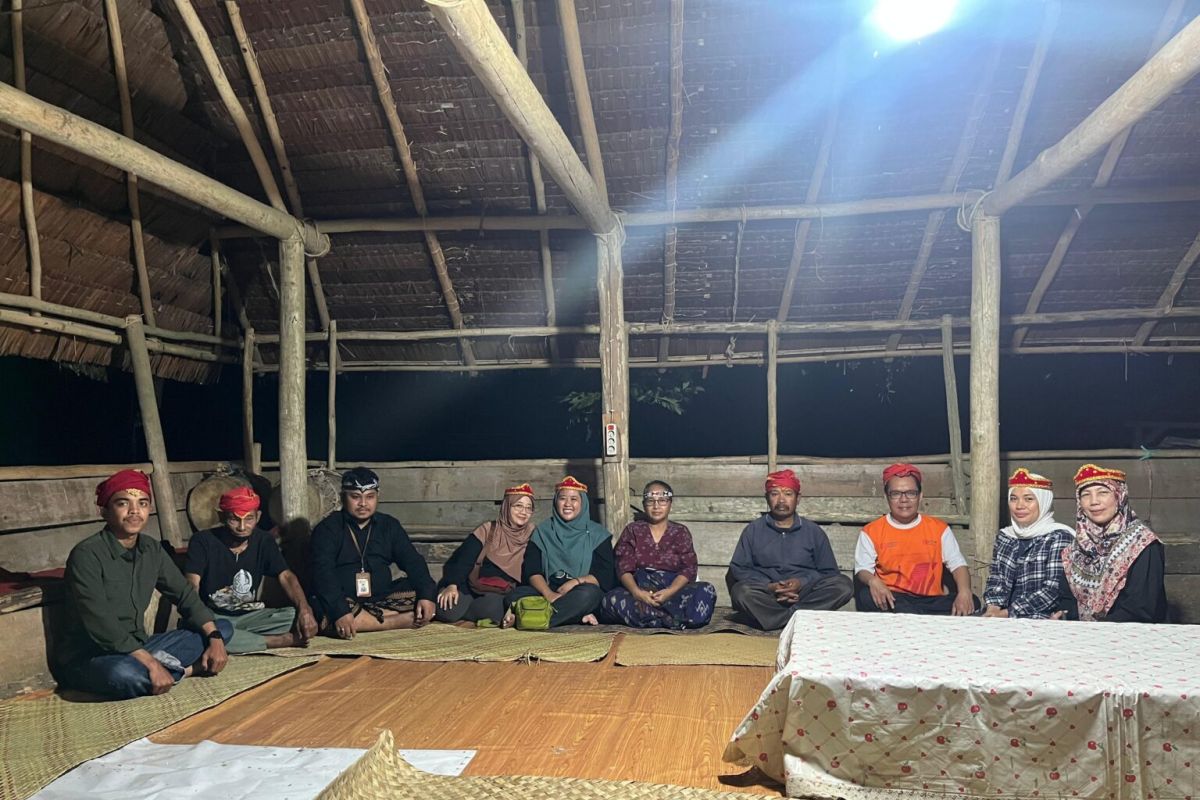
Palu (ANTARA) - Researchers from the National Research and Innovation Agency (BRIN) conducted research in Ngata Toro village, Sigi Regency, Central Sulawesi, which is located near Lore Lindu National Park. The researchers from the Center for Language, Literature and Community Research are working with the local community, collecting data in depth for good research results. The title of the research is “Ecological Lexicon of the Moma Language in the Katuvua System in Ngata Toro, Central Sulawesi.”
The research, which took place from 5-16 May 2026, examined the lives of the people of Toro village (Ngata Toro) who live around the Lore Lindu protected forest and have a Katuvua traditional system (the relationship between humans and nature). Their knowledge of nature is reflected in specific terms within the Katuvua system.
Head of the Research Team, Harini, said on Saturday that the research shows that language is not only a means of communication, but also a repository of ecological wisdom that is passed down from generation to generation. This reflects the principle of environmental conservation based on respect, balance, and collective responsibility towards nature.
From the entire research process, she said, the main message is that the ecological lexicon in the Katuvua system is important because it contains terms related to forest and land areas based on their function, for example Wana Ngkiki (mountain peak), Wana (primary forest), Pangale (semi-primary forest), and Oma (shrub forest), Pongata (former garden forest) and Balingkea (former garden whose fertility has decreased).
“The division of these zones provides a message about the balance and sustainability of nature and human life,” she said.
While in the field, the researchers worked to document and classify the ecological lexicon in the Katuvua system, measure the vitality of each word, and analyze the socio-ecological factors that encourage or weaken the use of the lexicon.
In their research, they conducted in-depth interviews, participatory observation, and elicitation of the lexicon to verify the form, meaning, and context of the terms used there.
The people of Toro village are part of the research, including Rukmini Toheke as a community leader and founder of the Traditional School, and Said Tolao, who is also known as the founder of the Nature School.
The research team consists of four people from BRIN, namely Harini (head), Dharma Satrya HD, Heksa Biopsi Puji Hastuti, and Syaifuddin. Two other members are Syahari Ayu Bachtiar from the Central Sulawesi Provincial Language Center and Nursyamsi from the Central Sulawesi Provincial Education Quality Assurance Agency.
The team also involves two students from the English Language Study Program, Tadulako University as field assistants, namely Maulana Malik Al-givari Lamarauna and Rachmad Syafruddin Taufik.
Interaction with residents and observation in the forest area of Lore Lindu National Park in Toro to obtain actual information and see firsthand the biodiversity in the Katuvua system, is a valuable experience for the research team. Various trees that grow there are observed to see their direct contribution to the ecological life of the Toro community.
Accompanied by local residents, the researchers also saw directly and learned the names of trees in the local language. In addition, the collaborative research also identified various types of grasses that function as medicine for the community.
The ecological vocabulary is then assessed through three indicators, namely familiarity, frequency of use, and relevance to see its use in current life conditions, especially in Toro village, Kulawi sub-district.
Of course, the research is expected to produce a list and classification of the Katuvua system lexicon, a map of the vitality of each term across groups, an explanation of the factors of change in the use of the lexicon, and a model for measuring the vitality of the lexicon that can be used to understand the dynamics of socio-ecological relations in Toro village.
Source: jawawa.id (https://jawawa.id/newsitem/brin-researches-the-lives-of-the-ngata-toro-community-in-lore-lindu-national-park-1780613600)
Originally published by Antara (Indonesian) (https://www.antaranews.com/berita/5569679/brin-teliti-kehidupan-masyarakat-ngata-toro-di-tnll), translated from Indonesian