
BRIN Research: Railway Line Reactivation to Support Regional Development
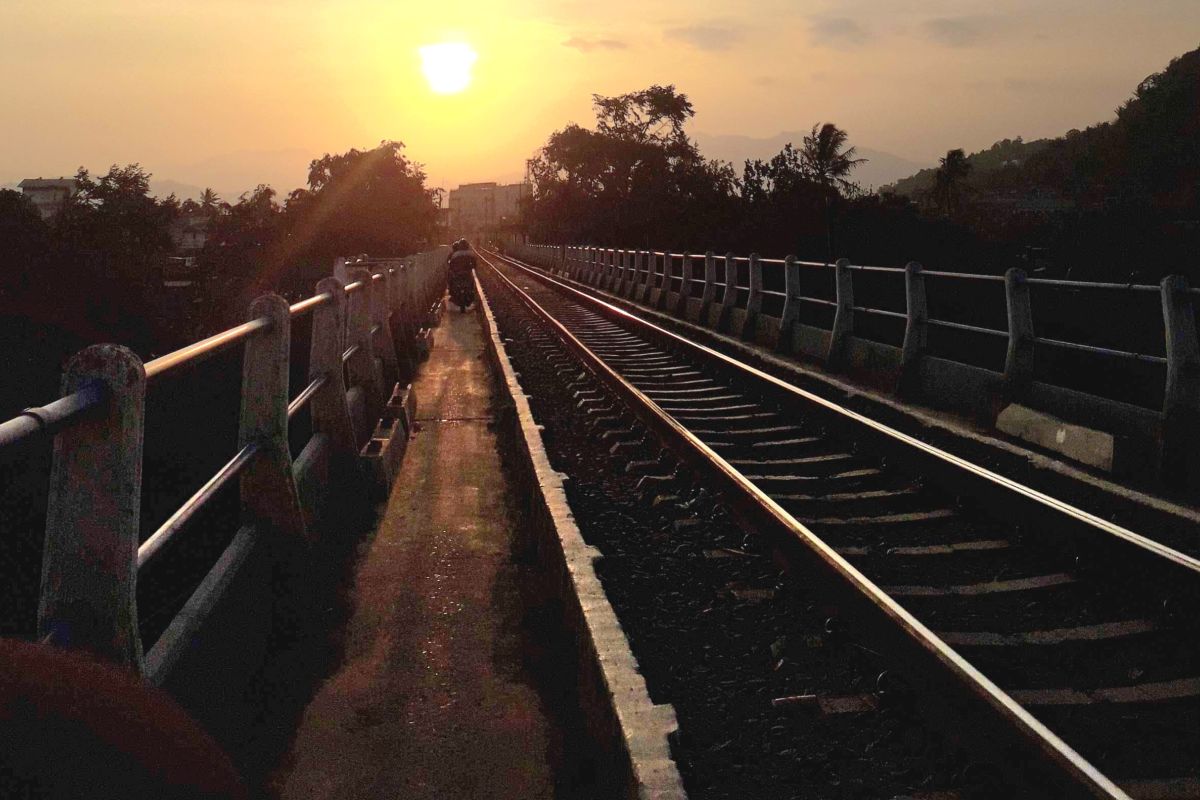
The reactivation and construction of railway lines have become a particular focus for Indonesian President Prabowo Subianto. Research by the National Research and Innovation Agency (BRIN) reveals that reactivating the Rangkasbitung–Pandeglang–Labuan railway line has the potential to increase passenger and freight mobility, drive economic growth, and strengthen sustainable regional development.
“The reactivation of railway lines is not merely a transport project, but also a regional development strategy. This potential should be optimised,” said Purwoko, a researcher at BR_IN’s Centre for Research on Social Welfare, Villages, and Connectivity (PRKSDK), in a statement in Jakarta on Sunday.
Purwoko explained that the study was conducted based on the existing condition of the lines, which have long been out of operation. Rail infrastructure has suffered damage, many stations are no longer functional, and parts of the tracks have been repurposed for roads or residential areas.
To assess the feasibility of the reactivation, the research team collected primary data through field observations of tracks, stations, bridges, and supporting facilities, as well as interviews with various stakeholders, including PT Kereta Api Indonesia, the government, operators, and the community. The analysis was further strengthened by secondary data from regional planning documents and transport policies.
Purwoko continued, noting that the analysis identified several strengths supporting reactivation, including large-scale train carrying capacity, relatively affordable fares, environmentally friendly characteristics, and opportunities to enhance inter-regional connectivity. However, challenges include infrastructure damage, land-use changes on railway sites, high investment requirements for construction and maintenance, and competition with other modes of transport.
Based on the Internal Factor Analysis Summary (IFAS) and External Factor Analysis Summary (EFAS), the development strategy falls into Quadrant I, or an aggressive strategy. This position indicates that development opportunities outweigh the obstacles, suggesting that the reactivation of the line has a strong prospect for realisation.
It was previously noted that the reactivation and construction of railway lines are a special priority for President Prabowo Subianto. The President expressed his desire for Indonesia’s railways to develop more rapidly and reach wider areas, given Indonesia’s vast potential. “I look forward to the inauguration of the revitalisation of other stations, including the launch of the Trans Sumatra Railway. Thank you,” said President Prabowo.
The Rangkasbitung–Pandeglang–Labuan line, approximately 56 kilometres long, was originally built in 1906 and ceased operations around 1984 as transport orientation shifted towards road-based vehicles. Currently, the reactivation of this route has been included in the 2025–2029 National Strategic Projects (PSN). Construction of the initial segment is planned to begin in 2027, with the entire project targeted for completion and operation by 2029.