
BRIN Research: Free Nutritious Meal Kitchens Cluster in Java, Yet to Reach Vulnerable Regions
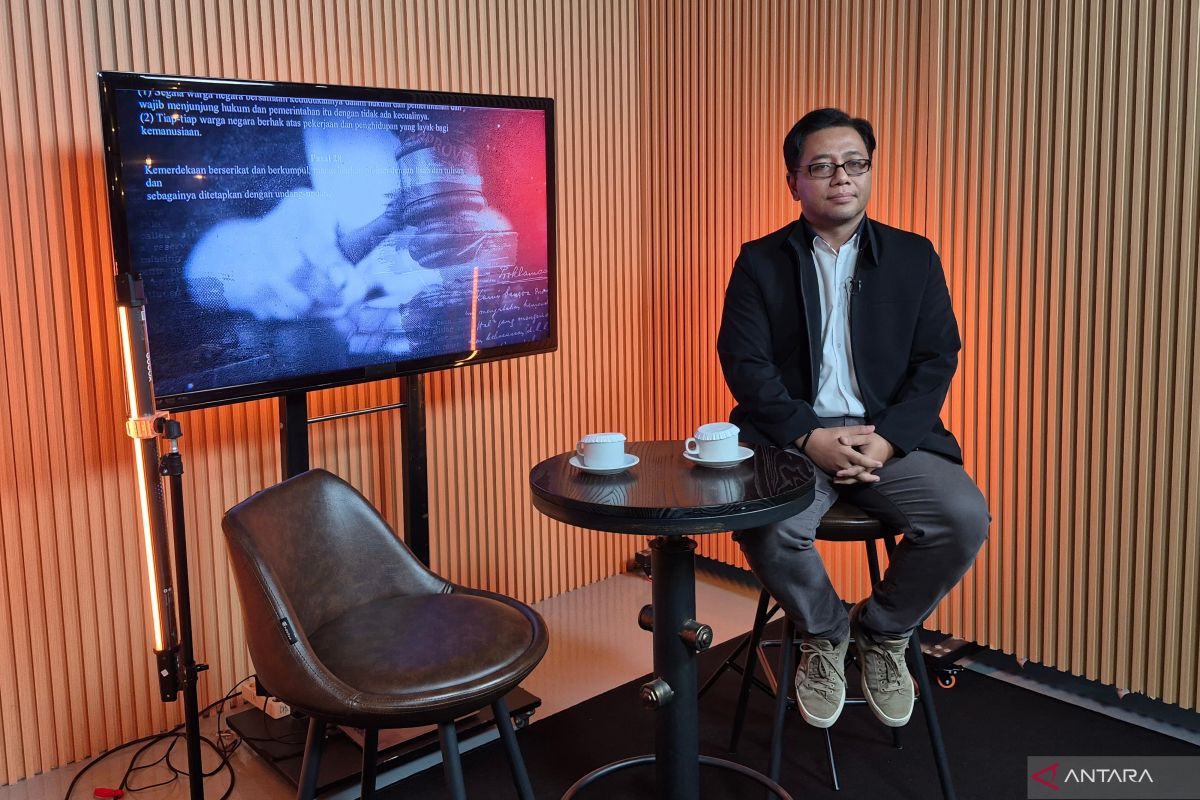
Researchers from the Population Research Centre of the National Research and Innovation Agency (BRIN), Yanu Endar Prasetyo, have presented spatial research findings showing that the presence of Free Nutritious Meal (MBG) kitchens remains centralised in Java and western Indonesia.
Based on data analysis of 27,477 Nutrition Programme Service Unit (SPPG) kitchens across Indonesia, BRIN found a pattern where the distribution of these food supply facilities follows population density, similar to the opening of commercial business locations.
“The fewer kitchens there are in areas with high poverty, high stunting, and high food vulnerability, the more significant the gap. In reality, there should be more kitchens in those areas based on need,” said Yuppy during an interview at the ANTARA Heritage Center, Jakarta, on Wednesday.
Yanu explained that these findings were obtained after BRIN cross-referenced kitchen location data with poverty ratio maps from 500 regencies/cities, stunting prevalence rates, the number of schools, and food security and vulnerability maps from the National Food Agency (Bapanas).
He suggested that the government should fully utilise State Budget (APBN) funding to finance kitchens in affirmative regions, such as Eastern Indonesia, Papua, and East Nusa Tenggara (NTT).
According to Yanu, these vulnerable regions cannot be left entirely to private Corporate Social Responsibility (CSR) funding schemes, as their scale and sustainability tend to fluctuate and are burdened by high infrastructure investment costs.
“In areas where state intervention is truly needed, the State Budget should be used. In areas that do not require much State Budget, CSR or non-APBN funds can be utilised. In my opinion, this is what needs to be reformed by the National Nutrition Agency (BGN) colleagues,” he stated.
In addition to reforming funding governance, BRIN also recommends creating specialised kitchen models for Disadvantaged, Frontier, and Outermost (3T) regions, noting that the conventional kitchen model used in Java cannot be applied uniformly to remote areas.
Yanu assessed that innovative interventions, such as introducing mobile kitchens tailored to the geographical conditions of archipelagic regions, would be far more effective in distributing nutritional benefits sustainably to the nation’s children.