
BRIN pushes for integrated exposure data to strengthen disaster resilience
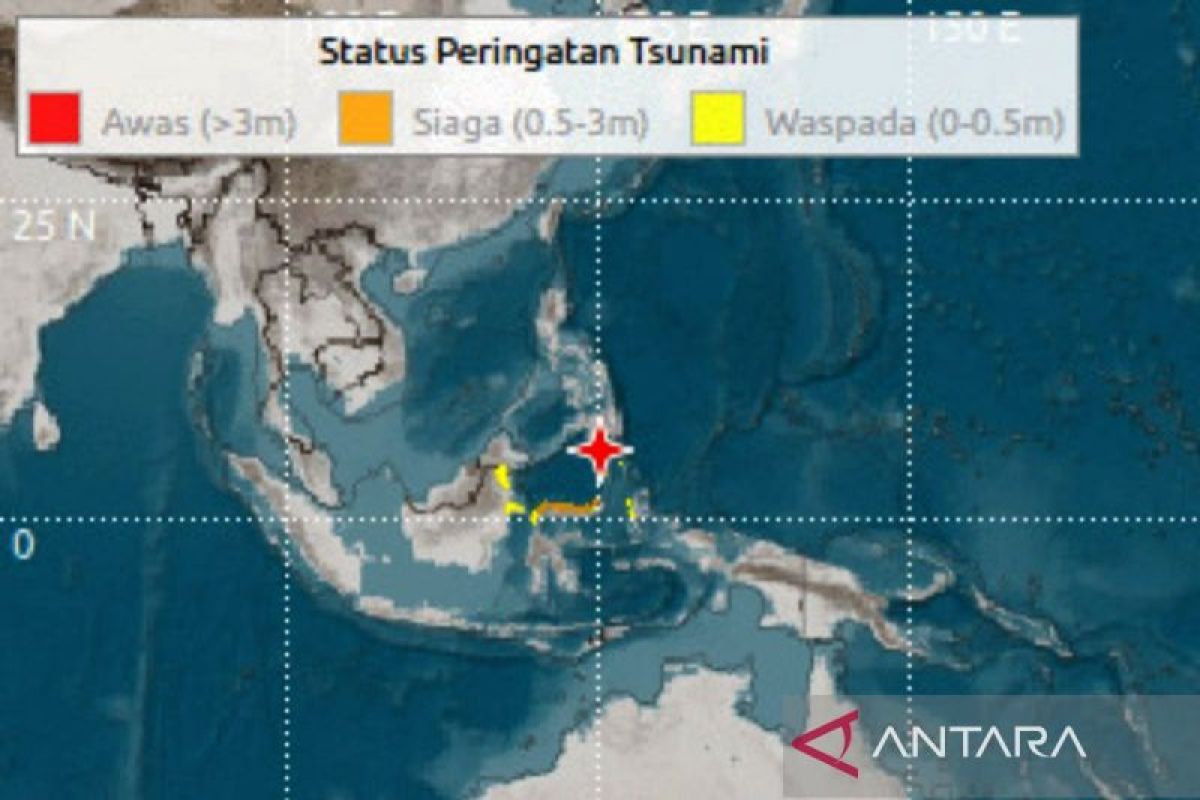
The National Research and Innovation Agency (BRIN) is encouraging the development of integrated and dynamic disaster exposure data to strengthen risk assessments and community resilience against disaster threats in Indonesia. Acting Head of BRIN’s Earth and Maritime Research Organisation, Luki Subehi, stated in Jakarta on Wednesday that disaster risk is not only determined by natural hazards but also by an accurate understanding of the locations of communities, buildings, and infrastructure potentially affected. “To design effective governance, risk reduction strategies, and policies that can save lives, we need a foundation of high-quality, standardised, and shareable exposure information,” he said. Luki assessed that Indonesia faces challenges in building an exposure database that meets international standards, as it does not yet have a single integrated national exposure database. Therefore, through cooperation involving various government agencies, academics, and international partners, efforts are underway to build unified multi-hazard exposure data standards. Furthermore, the Director of Disaster Risk Mapping and Evaluation at the National Disaster Management Agency (BNPB), Udrekh, revealed the importance of accurate exposure data amidst high seismic activity in the Asia Pacific region. He touched on the magnitude 7.7 earthquake that occurred off the coast of the Philippines on Monday morning and triggered a tsunami warning in several parts of eastern Indonesia. The event, according to him, serves as a reminder that disaster risk reduction must be supported by measurable data that can be utilised in decision-making. “We cannot manage what we do not measure,” he said. Therefore, Udrekh noted that BNPB continues to strive to transform scientific data into applicable policies on the ground. However, sustainable disaster resilience can only be achieved if risk assessment is supported by data that is integrated and interoperable between agencies. According to him, the risk assessment process should not depend on fragmented data. Interoperability, synchronisation, and long-term collaboration among data managers are essential requirements for producing more precise risk information down to the level of individual buildings and structures. Thus, multi-sector collaboration in integrating exposure data is expected to strengthen data-sharing platforms, reduce data collection costs, and accelerate response during the critical first 72-hour period after a disaster occurs.