
BRIN promotes pyrolysis technology for low-value plastic waste management
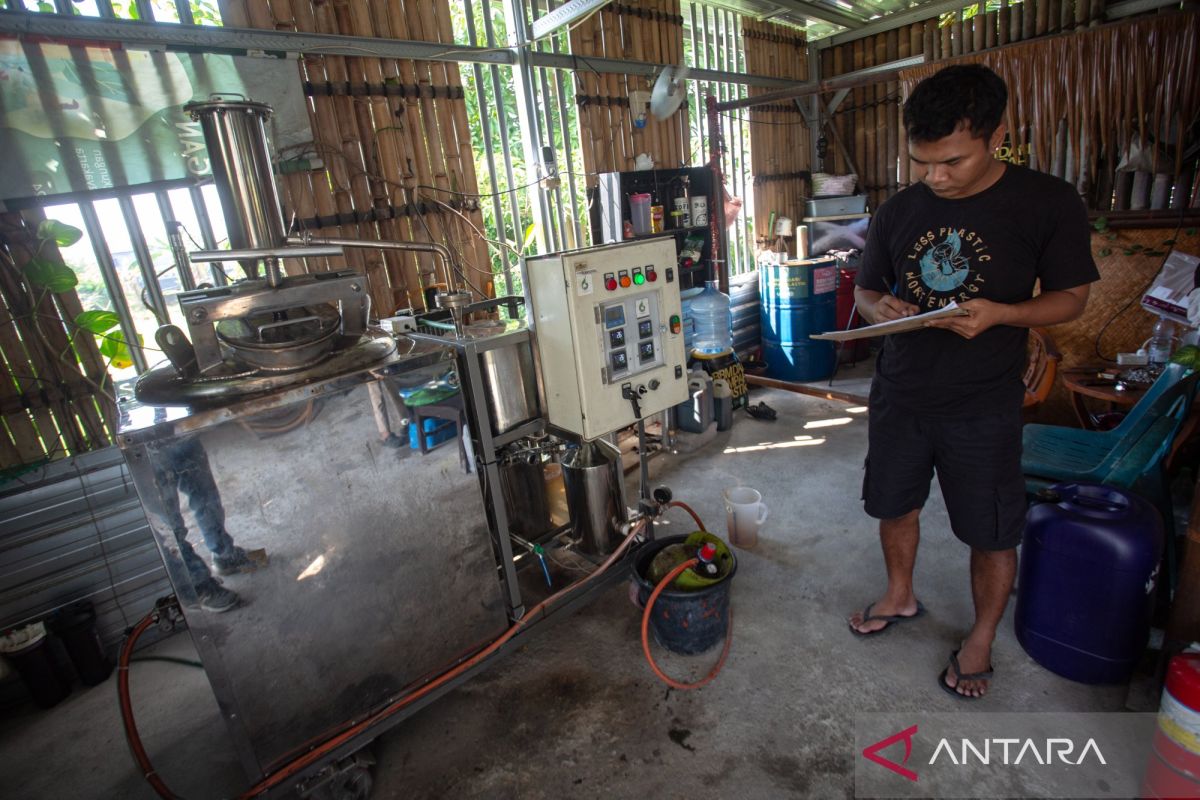
Jakarta (ANTARA) — The National Research and Innovation Agency (BRIN) is promoting the use of pyrolysis technology as an innovative solution for managing low-value plastic waste, while also supporting evidence-based policymaking to achieve a sustainable waste management system.
Heru Susanto, a researcher at BRIN’s Centre for Research on Sustainable Industrial and Manufacturing Systems, said in Jakarta on Friday that Indonesia generated around 38 million tonnes of waste in 2024, of which roughly 19-20 per cent was low-value plastic waste such as plastic bags, food packaging and styrofoam that is difficult to recycle through conventional methods.
He believes pyrolysis technology can transform low-value plastic waste into fuel with economic value, making it one of the solutions for reducing the burden of waste management while encouraging the implementation of a circular economy.
“Through pyrolysis technology, that low-value plastic waste can be converted back into fuel with economic value. This technology is one of the alternative solutions for reducing the waste management burden while promoting a circular economy,” he said.
The technology has a technical feasibility index of 87 per cent with a payback period of around 2.4 years.
In addition, testing results show that the emissions produced remain below environmental quality standards. Based on a Life Cycle Assessment (LCA) study, emissions from pyrolysis technology reach around 315 kg of CO2 equivalent per tonne, or up to five times lower compared to open dumping, open burning and conventional incineration methods.
Through this research, pyrolysis technology is expected to be implemented and replicated across various regions to support a waste-free Indonesia.
Previously, President Prabowo Subianto directed all levels of government, both central and regional, to remain consistent in handling waste.
Concrete emergency waste-handling actions are being carried out as a tangible follow-up to the President of the Republic of Indonesia’s instructions to strengthen the consistency of environmental clean-ups and sustainable waste management throughout Indonesia.