
BRIN prepares risk studies to support Sumatra reconstruction
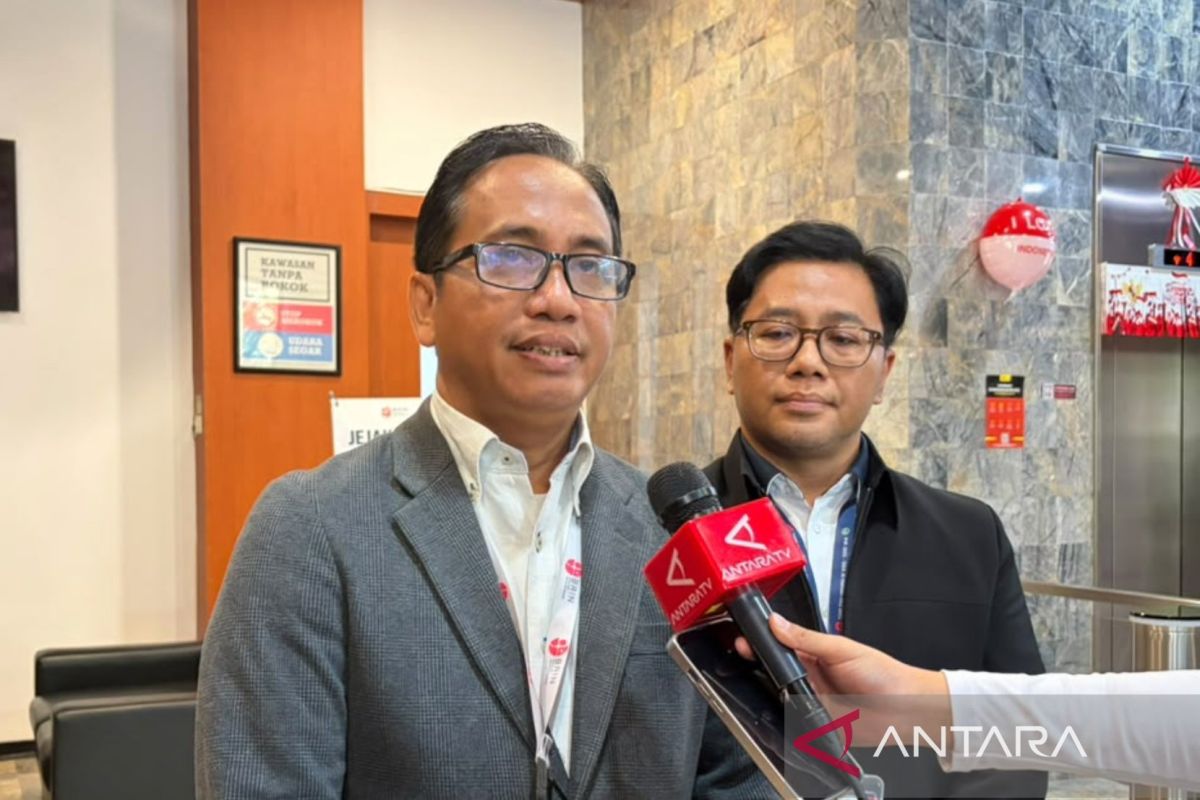
The National Research and Innovation Agency (BRIN) is preparing disaster risk studies and mapping as part of science-based support for the implementation of post-disaster rehabilitation and reconstruction in Aceh, North Sumatra, and West Sumatra.
Joko Widodo, Chairman of the Task Force for the Acceleration of Post-Disaster Rehabilitation and Reconstruction in Sumatra, stated that risk studies are a vital component of the reconstruction efforts, as disaster vulnerability in a region can shift, particularly due to climate change.
“We are conducting many studies to support this. One of them is performing disaster risk mapping in the affected areas,” said Joko following the Kick-Off Meeting of the Task Force for the Acceleration of Post-Disaster Rehabilitation and Reconstruction in Sumatra in Jakarta on Wednesday.
It is noted that the BRIN Task Force was established following Presidential Decree Number 1 of 2026 regarding the Task Force for the Acceleration of Post-Natural Disaster Rehabilitation and Reconstruction in three provinces, and further implemented by the Decree of the Head of BRIN Number 18/I/HK/2026.
Joko added that the disasters affecting Aceh, North Sumatra, and West Sumatra demonstrate an increase in rainfall intensity that must be considered in post-disaster development planning. According to him, rainfall that previously ranged from approximately 100 to 150 millimetres can reach 400 millimetres under certain conditions, necessitating a renewed awareness in updating disaster risk mapping.
“This certainly serves as a new awareness for all of us that such rainfall is very likely to occur in the future due to climate change,” he said.
Therefore, Joko continued, areas previously not categorised as high-risk need to be reassessed to ensure that post-disaster development considers the latest risk conditions.
He added that the results of such updates and studies must serve as a benchmark in the implementation of rehabilitation and reconstruction, ensuring that development is not merely oriented towards physical recovery but also accounts for potential future disaster risks.
“This must be a benchmark for future rehabilitation and reconstruction; by knowing the potential risks, we can avoid disasters, especially regarding the construction of permanent housing,” said Joko.