
BRIN: Peatland Fires are a Hydrological Issue Before They Become a Fire Issue
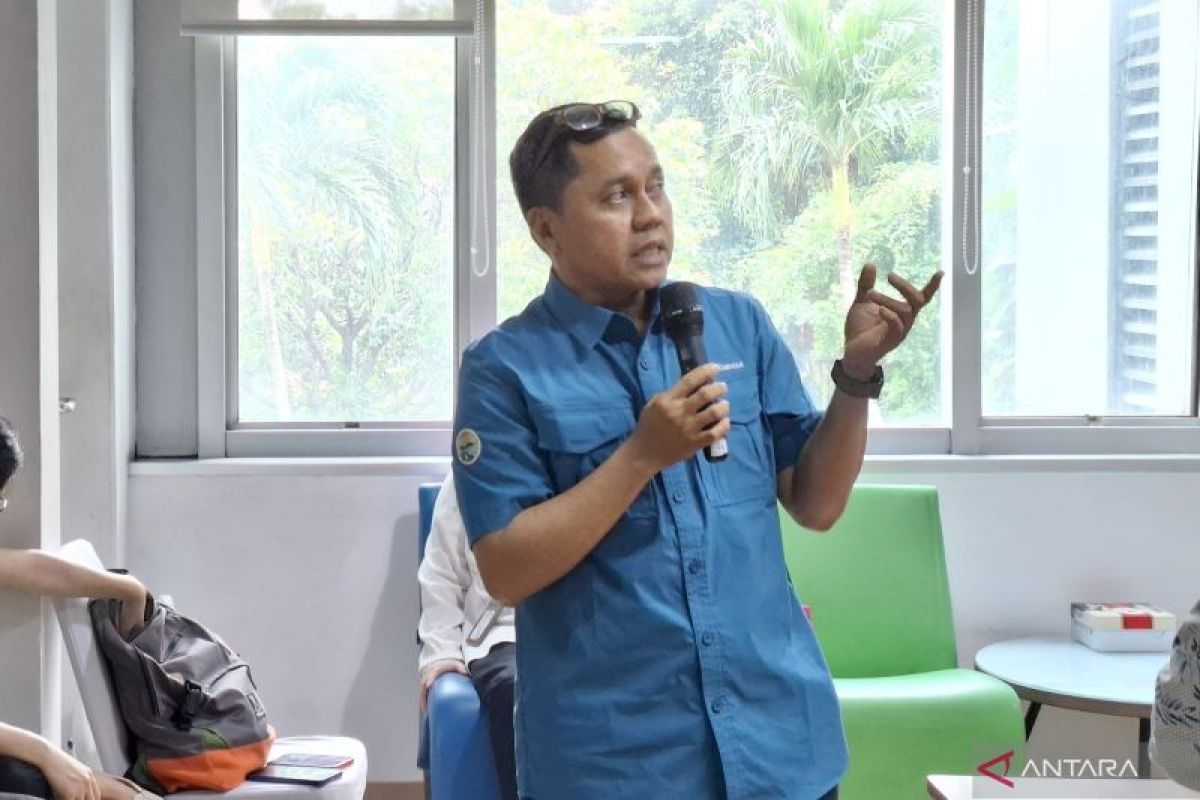
Jakarta (ANTARA) - Dony Rachmanadi, a researcher at the Ecology Research Centre of the National Research and Innovation Agency (BRIN), explained that peatland fires are essentially a hydrological problem before they become a fire problem.
During a discussion held at the BRIN Office in Jakarta on Tuesday, Dony revealed that peat has the ability to store and release water gradually. This function allows peat to help reduce flood risks during periods of high rainfall while simultaneously maintaining water availability during the dry season. However, this function can be disrupted when peat is excessively drained.
“When peat is drained, it transforms into a source of risk. The groundwater level drops, the peat dries out, and subsequently, the risk of fire increases. At the same time, subsidence and carbon emissions occur,” he explained.
Unlike surface fires, smouldering occurs at lower temperatures but can persist for a long time. This type of fire is also difficult to detect because it can spread beneath the surface of the peat.
These conditions make peat fires difficult to extinguish. The heat generated from the combustion process can persist even when the heat released into the environment is relatively small.
“Therefore, peatland fire is a hydrological issue before it becomes a fire issue,” he emphasised.
One lesson regarding peatland fires can be seen from the incident in the Tumbang Nusa Special Purpose Forest Area (KHDTK) in Central Kalimantan. This event demonstrates the importance of monitoring hydrological conditions and peat moisture as part of a fire prevention strategy. Maintaining high groundwater levels is a crucial step in reducing peat vulnerability to fire.
“Peat works like a giant sponge because it is capable of storing large amounts of water. What needs to be monitored is the groundwater level, which determines the health of the peat ecosystem,” he said.
Consequently, Dony urged for the prevention of forest and land fires (karhutla), particularly in peatlands, by ensuring the peat remains wet.
“The key is to keep water within the peat. When peat remains wet, its ecological function can be maintained, fire risks can be suppressed, carbon remains stored, and communities continue to have space to develop sustainable livelihoods,” said Dony Rachmanadi.