
BRIN highlights Indonesia's vast potential for discovering new plant species
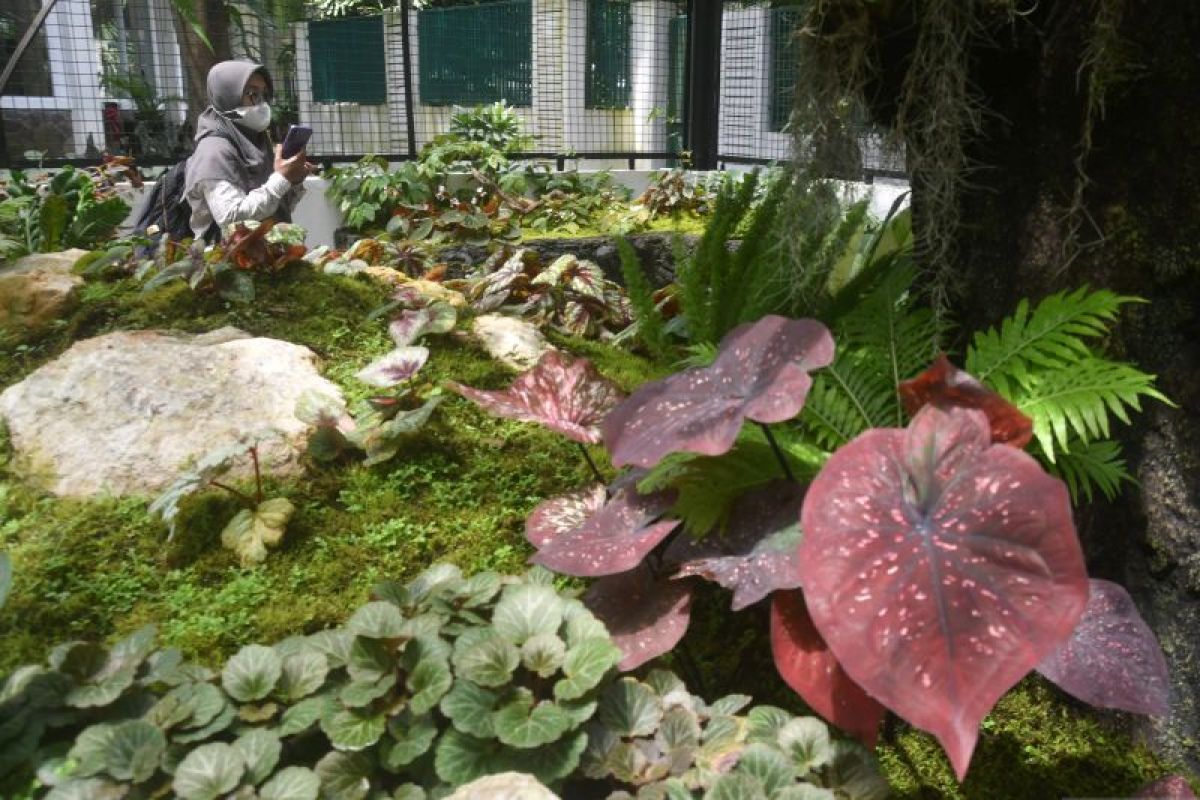
Jakarta (ANTARA) - Deden Girmansyah, a researcher at BRIN’s Centre for Biosystematics and Evolution, stated that Indonesia still holds significant potential for discovering new, unidentified plant species.
“The potential for discovering new species remains immense. For instance, in Papua, only two begonia species have been recorded, whereas Papua New Guinea has around 69. This suggests there are still many undiscovered species,” he said in a statement on Tuesday in Jakarta.
Deden highlighted that Kalimantan and Papua still contain vast unexplored areas. He even estimated that Kalimantan alone could host hundreds of begonia species.
Beyond scientific potential, he added, wild begonias also have economic and practical value. Known for their attractive leaf shapes and colours as ornamental plants, they contain high water content in their stems and have potential as traditional medicine.
Deden emphasised the shortage of taxonomists in Indonesia, urging more young people to take up taxonomy to accelerate the identification of the nation’s biodiversity wealth.
“We are racing against time—whether species are discovered before they are lost due to habitat destruction,” he stressed.
Furthermore, Destario Metusala, a researcher at BRIN’s Centre for Applied Botany, noted Indonesia has around 4,000 orchid species, making it one of the world’s most diverse countries for orchids.
Most are endemic and hold significant potential for pharmaceuticals, cosmetics, ornamental plants, and aromatic materials.
The researcher, who recently identified three new Indonesian orchid species, also highlighted the need for collective attention to orchid conservation challenges, including land-use changes and the need for regulated harvesting from the wild to meet collector and pharmaceutical industry demands.
“Most medicinal raw materials are still sourced directly from the wild. Therefore, cultivation and breeding are crucial solutions to ensure sustainability,” Destario said.