
BRIN Expert Warns of Heavy Metal Bioaccumulation Risks in Jakarta Plecostomus Fish
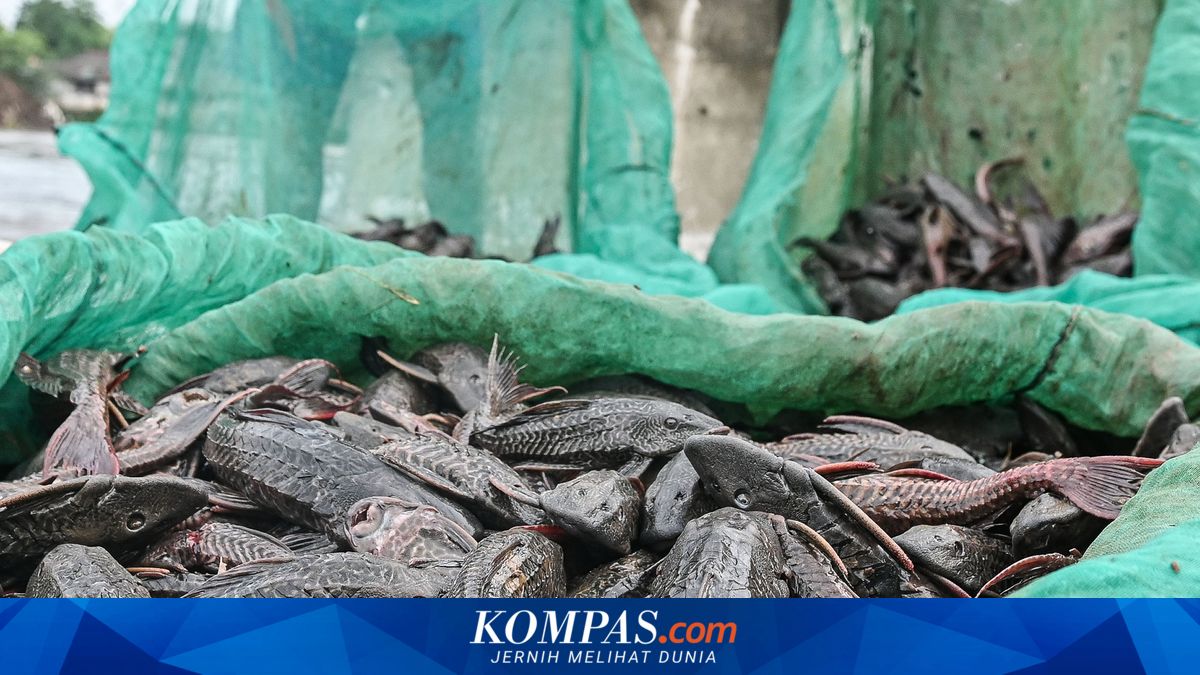
The discovery of thousands of kilograms of plecostomus fish at various points along Jakarta’s rivers has raised questions about food safety. Although in some countries this fish is commonly consumed as a protein source, the environmental conditions in Jakarta raise serious concerns about the safety of its flesh. Triyanto, a researcher from the Centre for Limnology and Water Resources Research (PRLSDA) at the National Research and Innovation Agency (BRIN), explained that various academic studies have confirmed the presence of harmful pollutants in the bodies of these invasive fish. The heavy metal content does not appear suddenly but through a process known as bioaccumulation. As a fish that eats anything at the river bottom (detritus), the plecostomus absorbs pollutants from its environment gradually over a long period. “If a contaminated area is consumed by plecostomus fish, bioaccumulation will certainly occur in its body or in the food chain processes in those waters,” Triyanto explained. However, he noted that not all plecostomus fish are dangerous. Those raised in clean ponds or aquariums are guaranteed to be free from heavy metals. Contamination only affects populations inhabiting highly polluted waterways, such as those in the Capital City. The dangers of heavy metals entering the human body are not a new issue in science. Triyanto recalled the Minamata tragedy in Japan as a real example of the fatal impacts of consuming mercury-contaminated seafood. “The Minamata case in Japan involved consuming fish from the sea or shellfish. The process of heavy metal pollution entering the human body will certainly cause health disruptions in those who eat it,” he said. Long-term exposure to lead and cadmium is known to damage the nervous system, kidneys, and even trigger cancer. Therefore, the DKI Jakarta Provincial Government’s action to destroy captured plecostomus fish by burying them is deemed appropriate. This is done to break the food chain so that the heavy metals stored in the fish’s body do not end up on people’s plates, either directly or through livestock feed.
Source: jawawa.id (https://jawawa.id/newsitem/brin-expert-warns-of-heavy-metal-bioaccumulation-risks-in-jakarta-plecostomus-fish-1776768771)
Originally published by Kompas (https://www.kompas.com/sains/read/2026/04/21/164300323/pakar-brin-ingatkan-risiko-bioakumulasi-logam-berat-pada-ikan-sapu-sapu?utm_source=ABC&utm_medium=rss), translated from Indonesian