
BRIN emphasises protection of rare mangrove population in Balikpapan Bay
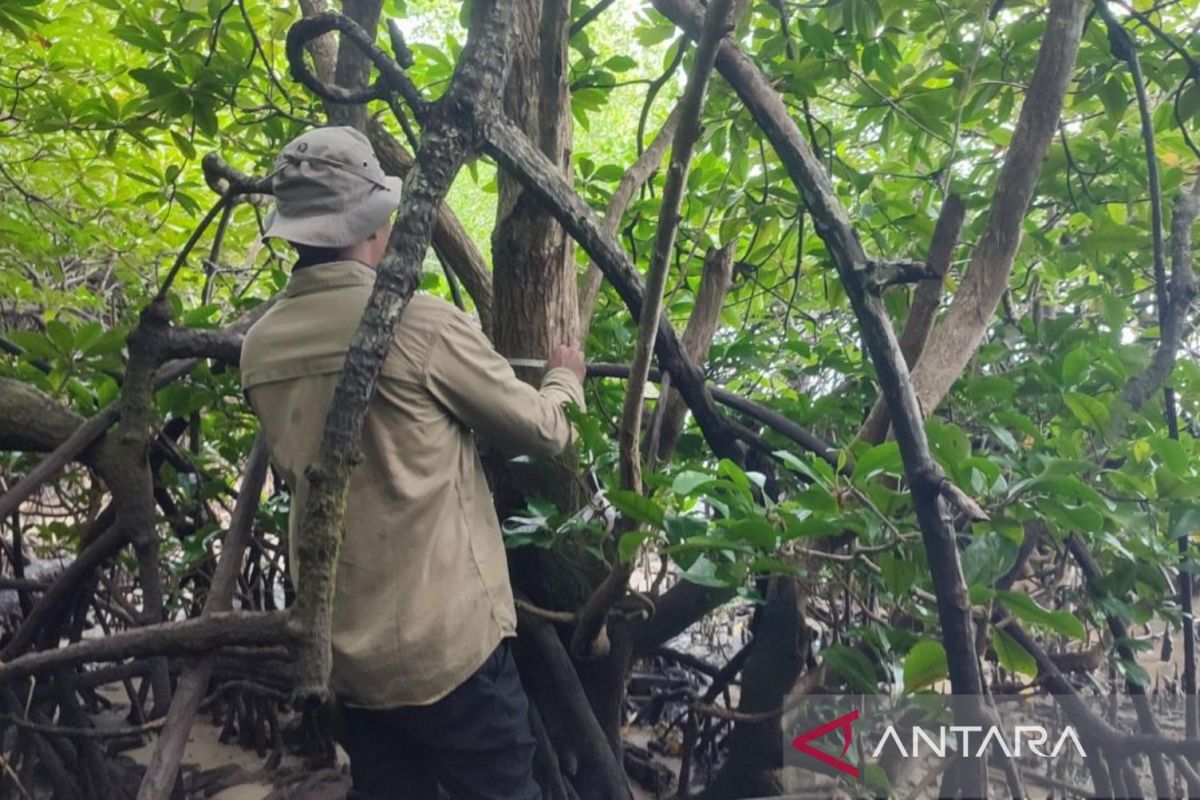
Researchers from the National Research and Innovation Agency (BRIN) and Gadjah Mada University (UGM) are advocating for the protection of the rare mangrove species Camptostemon philippinensis in Balikpapan Bay, East Kalimantan. Camptostemon philippinensis is classified as threatened on the International Union for Conservation of Nature (IUCN) Red List. In Indonesia, the plant, found along the coast of Pantai Lango Village and Kowangan Island in Penajam Paser Utara Regency, East Kalimantan, is a government-protected mangrove species. Istiana Prihatini, a researcher at BRIN’s Applied Botany Research Centre, stated in Jakarta on Sunday that the presence of this rare mangrove species underscores the importance of Balikpapan Bay as a coastal biodiversity habitat that must be sustainably preserved. She noted that C. philippinensis populations face serious threats from human activities, including mangrove land conversion, environmental pollution, and illegal logging. The species’ habitat is confined to a narrow and localized mangrove area near human settlements. Even minor damage could significantly increase the risk of local extinction. ‘The habitat of C. philippinensis is extremely limited. Any habitat degradation would heighten the risk of local extinction,’ she said. Istiana also indicated that this mangrove species is suspected to have an ecological relationship with the proboscis monkey (Nasalis larvatus), an endangered endemic species of Kalimantan. Researchers found evidence of primate bites on C. philippinensis leaves and received information about proboscis monkey groups in the area from local fishermen accompanying the team during their work in Balikpapan Bay. In Balikpapan Bay, C. philippinensis grows in the second mangrove zone with sandy soil and high-tide flooding. It coexists with other mangrove species such as Rhizophora apiculata, Rhizophora mucronata, Sonneratia alba, Avicennia alba, Lumnitzera littorea, and Xylocarpus granatum. Researchers recommend stronger conservation measures to protect the rare mangrove population, including natural habitat protection, restoration of degraded mangrove areas, genetic material storage, and ex-situ conservation through plant propagation.