
BRIN Develops Weather Modification and Desalination Tech to Tackle El Nino
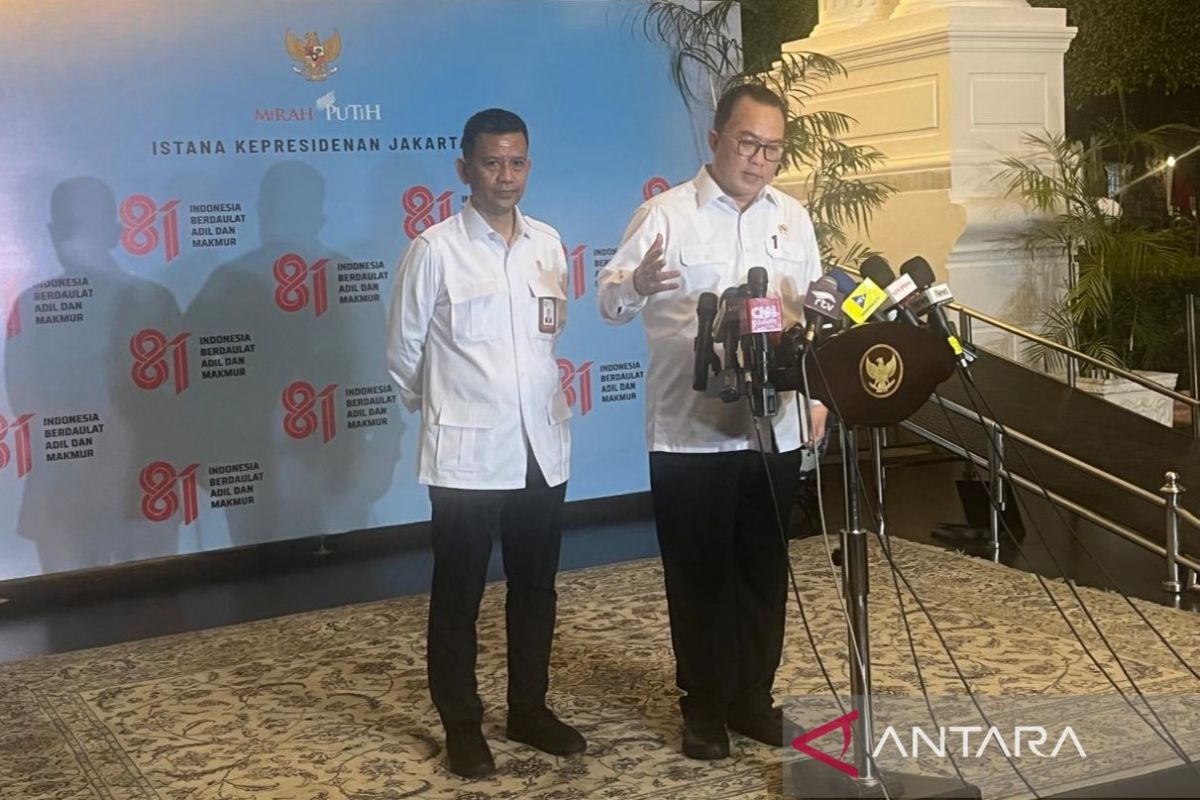
The National Research and Innovation Agency (BRIN) is developing a suite of technologies to address the impacts of the El Nino phenomenon, ranging from weather modification and seawater desalination to water purification systems designed to bolster national water security. Head of BRIN Arif Satria stated that he was invited by President Prabowo Subianto to present the technologies BRIN possesses to tackle El Nino. “In principle, this year’s El Nino is of a similar duration, but it is hotter and drier,” Arif said at the Presidential Palace in Jakarta on Thursday. In addition to weather modification, BRIN is advancing seawater desalination technology, which has already been implemented in 40 coastal areas. Arif noted that the President was particularly impressed with these breakthroughs. BRIN is also developing the Arsinum technology, a system capable of processing floodwater, wastewater, and brackish water into ready-to-drink water. This technology has been deployed in several disaster-stricken locations and was demonstrated directly to the President, who sampled the processed water alongside Minister of Energy and Mineral Resources Bahlil Lahadalia and Minister of Marine Affairs and Fisheries Sakti Wahyu Trenggono. Beyond water processing, President Prabowo has requested that BRIN identify the potential of underground rivers as a source of raw water. Arif explained that the agency is currently developing technology to map underground river flows and to treat water that still contains Escherichia coli (E. coli) bacteria. As part of this initiative, BRIN will construct a living laboratory in Kebumen Regency, Central Java, to develop technology for processing underground water to make it cleaner, safer, and more hygienic. Similar studies are being conducted in Gunungkidul and other regions with underground river potential. “We are currently conducting studies to track these in various regions, as they already exist in Lombok and Gunungkidul, and we are looking at how we can assist the community with the technological aspects,” Arif said. The Head of the Meteorology, Climatology, and Geophysics Agency (BMKG), Teuku Faisal Fathani, reported on Tuesday that monitoring indicates the El Nino has an ENSO index of +1.59, placing it in a strong category. BMKG forecasts that rainfall from August to September 2026 will be in the low to very low category before the rainy season begins in mid-October 2026. The impacts of the phenomenon are particularly felt in regions south of the equator, such as East Nusa Tenggara, West Nusa Tenggara, Bali, Java, southern Sumatra, and southern Papua. BMKG also warned that El Nino could affect various sectors, including agriculture, clean water supply, reservoir and irrigation management, forest and land fires, energy, health, fisheries, and general economic activity.