
BRIN develops transparent wood innovation from bio-based materials
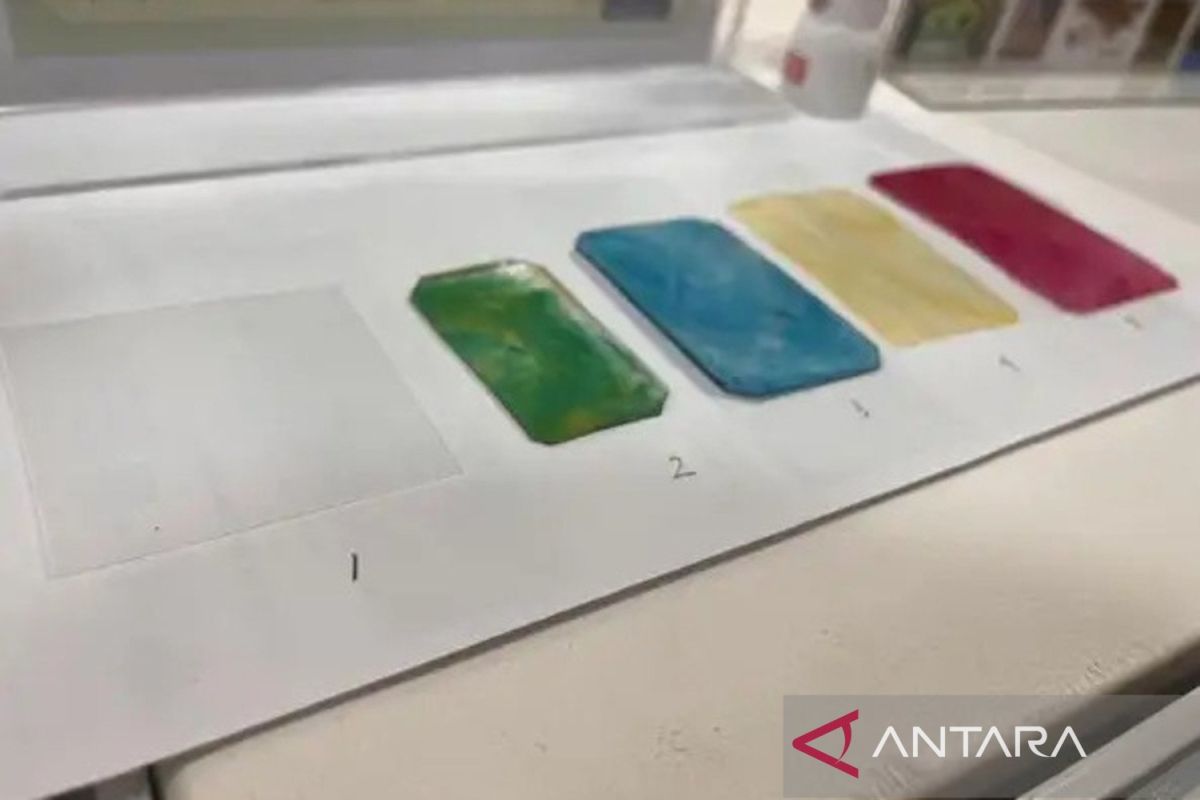
The National Research and Innovation Agency (BRIN) is developing transparent wood innovation by utilising organic bio-based materials in the form of timber, as an alternative to silica from quartz sand, the raw material for glass.
Adik Bahanawan, a Young Expert Researcher at BRIN’s Biomass and Bioproducts Research Centre (PRBB), said the glass industry has so far relied primarily on silica, which is non-renewable. This alternative is therefore expected to be more environmentally friendly.
“Through this innovation, we are utilising organic material in the form of wood available in our country. Using a material modification and engineering approach, wood that has previously been opaque can be transformed into a transparent material, one of the key parameters of glass products,” Adik said in a statement in Jakarta on Saturday.
Adik said nearly all types of wood have the potential to be used as transparent wood material. However, each type of wood requires a different approach and treatment. One important parameter to consider is the content and type of lignin.
“In general, various types of wood, both softwood and hardwood, can be used. However, each type of wood requires different modification and engineering treatment. The lignin content and type of the wood will determine how easy the engineering modification process is,” he explained.
Adik explained that the process of making transparent wood generally consists of two main stages. First, delignification is carried out, a process that removes most of the lignin, one of the main components of wood that absorbs light.
“Lignin is one of the main components in wood that is opaque or does not transmit light. So, when light hits it, it does not transmit but absorbs. That is why a delignification process is carried out,” he said.
Through this process, Adik said, the wood material forms a new structure and properties, so it is called a biocomposite. As a result, wood material that previously did not transmit light becomes transparent.
He said the advantage of this transparent wood lies not only in its environmental friendliness. By using raw materials without silica from quartz sand, this innovation can reduce dependence on quartz sand mining exploitation in particular.
“The spirit remains green lifestyle and green process. We use raw materials that do not use silica, so indirectly we can anticipate further quartz sand mining exploitation in the future,” he said.
In addition, Adik continued, another advantage of this innovation lies in the performance or quality of the material produced. In terms of performance, according to Adik, the transparent wood developed has a high light transmittance, which is the material’s ability to transmit light.
To date, the research has been able to produce transparent wood with a transmittance level of more than 50 percent.
The development of this material is also directed at the principle of sustainability, by striving for materials that can be recycled or at least degrade naturally after their useful life ends.