
BRIN Develops Rapid Detection Method for Milk Adulteration
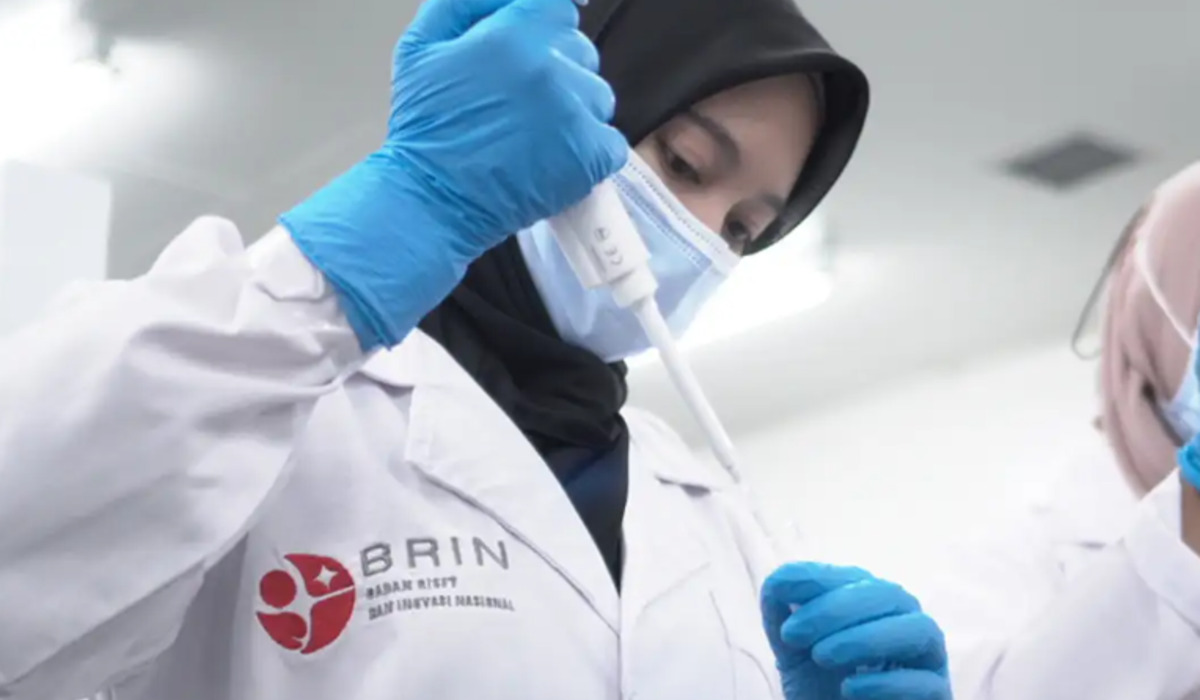
The National Research and Innovation Agency (BRIN) has developed a rapid detection method for milk adulteration by combining electrochemical and chemometric techniques. This method is designed to identify the presence of contaminants such as melamine and urea, which are frequently misused in milk adulteration practices.
Budi Riza Putra, a Junior Expert Researcher at BRIN’s Nanotechnology System Research Centre, stated that while milk is a widely consumed food product, it is highly vulnerable to fraud. “Melamine and urea are often used to increase nitrogen levels so that the product appears to have better protein quality than it actually does. Developing a fast and accurate detection method is a crucial step in ensuring the safety of milk products circulating in the community,” Budi said in a statement on Sunday.
According to Budi, both compounds pose significant health risks. Melamine is a toxic compound that can cause kidney stones, acute kidney failure, and even death, particularly in infants and children. Meanwhile, excessive consumption of urea can trigger metabolic disorders, digestive tract issues, and various long-term health problems.
The development of this method combines electrochemical techniques with a chemometric approach. Budi explained that electrochemical techniques are used to obtain specific signals from milk samples. The amino acid content in milk undergoes oxidation and reduction processes, producing specific electrochemical measurement patterns. “When milk is mixed with melamine or urea, the resulting signal patterns can serve as a basis for determining the level of adulteration. However, these signal patterns cannot be distinguished visually and require further analysis to identify the differences. Therefore, a chemometric approach is used to process the data from the electrochemical measurements,” he explained.
The research, conducted in collaboration with IPB University, utilises several statistical analysis methods, namely Principal Component Analysis (PCA), Partial Least Squares Regression (PLSR), and Hierarchical Cluster Analysis (HCA). “PCA is used to reduce data dimensions and visualise the differences in patterns between pure milk and milk mixed with melamine or urea. Meanwhile, PLSR is used to build predictive models for contaminant levels with high accuracy. HCA functions to group samples based on the similarity of their electrochemical responses,” he elaborated.
In addition to its high accuracy, Budi revealed that the developed method has the potential to become a practical field detection system. Measurements are performed using a portable potentiostat connected to portable electrodes, meaning complex laboratory facilities are not required. “In the future, there is great opportunity for this method to be developed into a rapid detection tool that can be used in-situ. Its use would allow for direct screening at milk collection centres or livestock cooperatives to independently check milk quality before further processing,” he revealed.
The existence of this rapid detection technology can support food quality monitoring efforts and protect consumers from the health risks associated with consuming adulterated milk.