
BRIN develops groundwater monitoring system to reduce forest fire risks
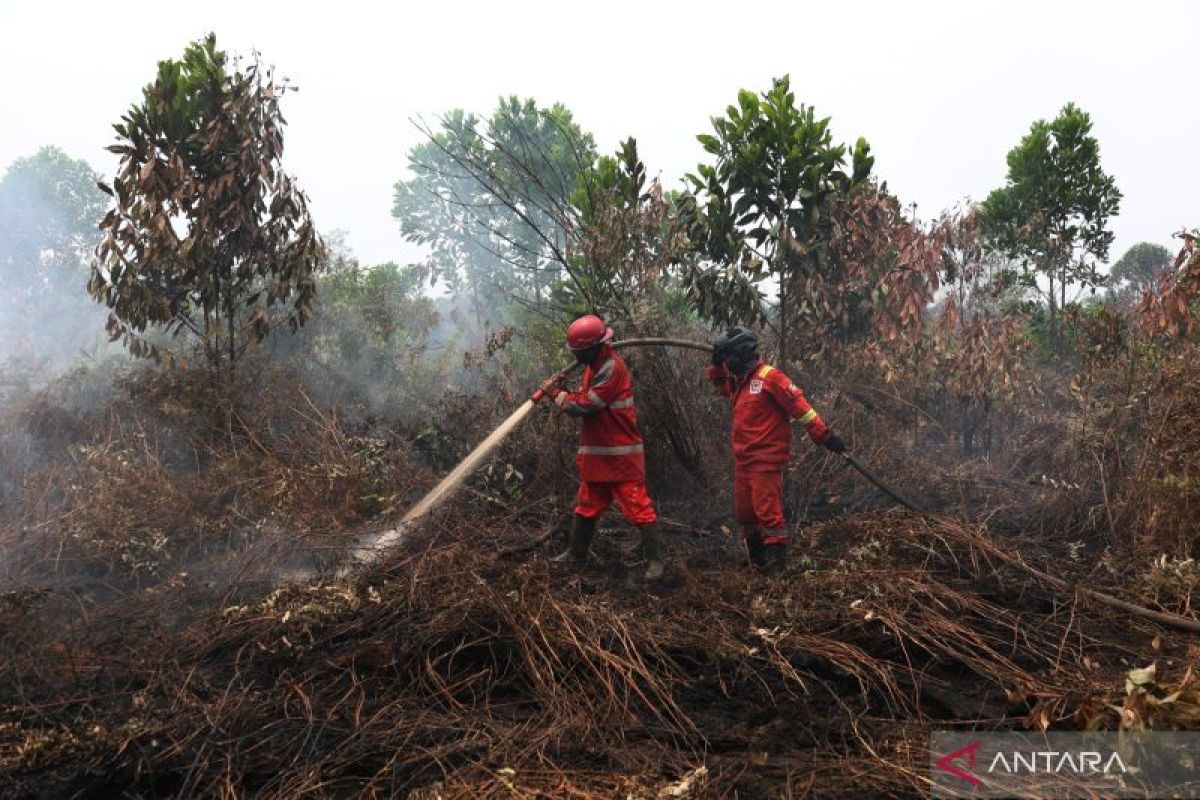
Jakarta (ANTARA) - The National Research and Innovation Agency (BRIN) is developing a Ground Water Level (GWL) monitoring system to reduce the risk of forest and land fires (karhutla), specifically within peatland areas.
Albertus Sulaiman, Head of the Climate and Atmosphere Research Centre at BRIN, stated in Jakarta on Tuesday that the system is used to monitor water conditions in peatlands and identify changes that could indicate an increasing fire risk, while simultaneously monitoring carbon emissions produced by these areas.
“GWL can be used as an early warning system to determine when land is becoming potentially flammable,” he said.
Albertus highlighted that groundwater monitoring is essential for risk reduction, as changes in GWL can provide early information regarding potential fire outbreaks. When the groundwater level approaches or exceeds certain critical points, smoke indications are often only detected after the fact.
He noted that the data obtained can serve as a basis for understanding changes in peatland hydrology and support decision-making in land management.
This ecosystem is capable of storing large amounts of carbon, maintaining water balance, and contributing to local rainfall formation through natural processes within the ecosystem.
“Therefore, keeping peatlands wet and healthy is not only important for preventing fires but also for maintaining their ecological functions. The study of peat swamp forests is a multidisciplinary approach and must involve collaboration between various research centres within BRIN,” said Albertus.
Furthermore, Albertus emphasised that water conditions are a vital factor in determining the vulnerability of peatlands to fire. Naturally, peat has the capacity to store large volumes of water. When peat undergoes drying, the risk of fire increases.
He assessed that land management for cultivation purposes can also lead to the construction of canals. In plantation areas, for example, canals are used to regulate water distribution.
However, if such regulation causes the groundwater level to drop too low, the peat becomes drier and more susceptible to burning.
“Why do peatlands catch fire? Because the peat becomes extremely dry. When peat conditions are dry, there is no longer enough water to maintain its moisture,” said Albertus Sulaiman.