
BRIN Conducts Facility Inspection for Nuclear Reactor Operations
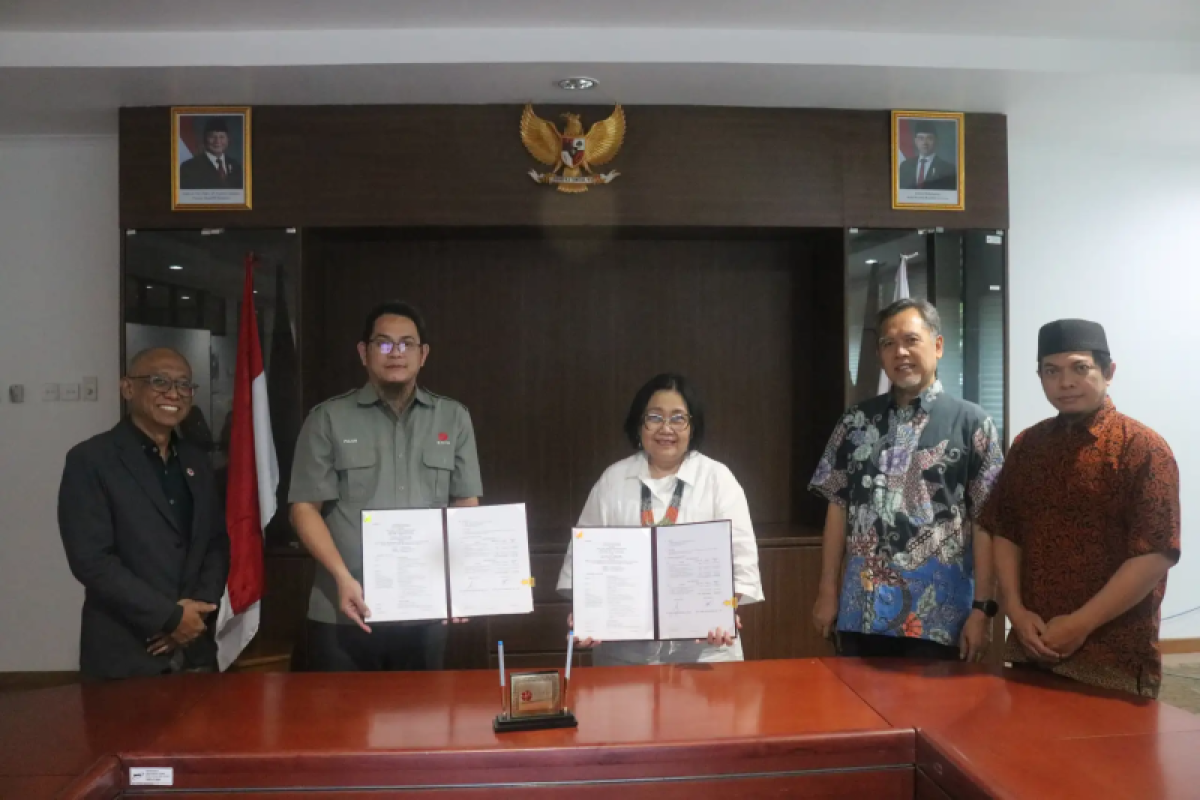
Jakarta (ANTARA) - The National Research and Innovation Agency (BRIN) has conducted an inspection of the operational facilities of the G.A. Siwabessy Multi-Purpose Reactor (RSG-GAS) as part of efforts to revitalise the nuclear fuel fabrication facilities in the B.J. Habibie Science and Technology Area, Serpong, Banten.
“We are carrying out a thorough physical check of the process and nuclear fuel fabrication equipment to determine the actual condition, level of damage, and repair needs as a basis for decision-making in the revitalisation process,” said the Head of the Nuclear Materials and Radioactive Waste Research Centre (PRTBNLR) of BRIN, Maman Kartaman Ajiriyanto, in a statement in Jakarta on Wednesday.
Based on the initial inspection results, the majority of the fabrication equipment is still in good condition and suitable for reactivation with routine maintenance and minor repairs.
However, several supporting facilities require updates, particularly quality control equipment such as X-ray, ultrasonic testing (UT), and welding machines.
“In addition, the ventilation system (VAC) and internal building infrastructure are recommended for revitalisation to meet more advanced safety and operational reliability standards,” he said.
Maman emphasised the urgency of accelerating the revitalisation of these facilities. He stated that the availability of fuel for RSG-GAS is projected to suffice only until 2026, so revitalisation steps need to be realised immediately.
He conveyed that revitalisation can be carried out in phases, starting with repairs to the ventilation system (VAC) and safety aspects, followed by inspections and repairs to the fabrication equipment.
Meanwhile, quality control equipment such as X-ray and ultrasonic testing (UT) is recommended to be replaced with new devices to support more reliable operational standards.
This activity involves multi-stakeholder collaboration, including PRTBNLR BRIN, the Directorate of Nuclear Energy Facilities Management (DPFK), the Nuclear Energy Regulatory Agency (Bapeten), PT Nuclear Industry Indonesia (PT Inuki), and academics from Universitas Gadjah Mada (UGM).