
BRIN Completes Expeditionary Research on Dayak Loksado Indigenous Community
The National Research and Innovation Agency (BRIN) has completed its second phase of expeditionary research for 2026 within the Dayak indigenous community in the Loksado District, South Hulu Sungai Selatan (HSS) Regency, South Kalimantan.
“This in-depth research focuses on studying the customs, oral traditions, and culture of the local residents, specifically the Dayak tribes inhabiting the Meratus Mountains Loksado region,” stated Dessy Wahyuni, Head of Research and Innovation for an Advanced Indonesia (RIIM) at BRIN’s Research Centre for Language, Literature, and Community, under the Archaeology Research Organisation, in Kandangan, HSS Regency, on Tuesday.
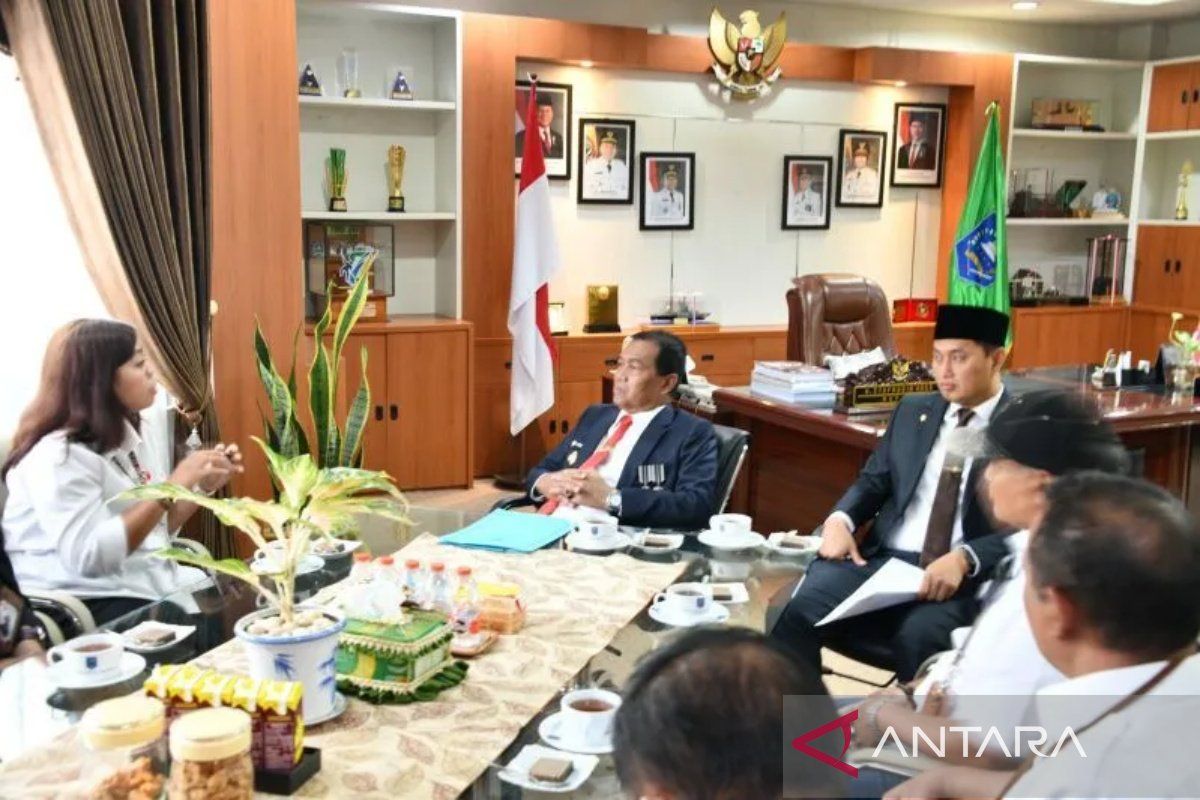
She shared this information while reporting the completion of the BRIN team’s mission to the Regent of HSS, Syafrudin Noor, at his office in Kandangan. She explained that HSS Regency was selected as a vital subject for cultural research in Indonesia due to its rich oral traditions, particularly the ‘Pamali Meratus’ concept, which consists of a system of customary prohibitions or taboos.
She noted that the results of this comprehensive two-year research will not merely remain as academic documents, as all findings will be published in book form. These documents are projected to serve as valuable literacy material for the younger generation to prevent the loss of Loksado’s cultural roots, while also functioning as an educational guide for tourists.
Rules based on the Kaharingan belief system have proven to have a sociological function identical to modern nature conservation systems. These include prohibitions against cutting trees in sacred areas, catching fish using poison, tuba, electricity, or bombs, as well as prohibitions against hunting animals during mating, nesting, or pregnancy seasons. Other taboos include clearing fields in upstream areas, disposing of waste or offerings haphazardly near water springs, and the indiscriminate felling of ironwood (ulin) trees. Furthermore, opening new paths through the forest without rituals is considered an affront to the spirits guarding nature and must be preceded by small offerings.
“Violators who do not comply will be tried in the customary hall, with strict sanctions in the form of livestock fines,” she added.
She also mentioned the ‘Pamali Mamuai’ (harvesting) rule regarding honeybee (Wanyi) nests, which prohibits the excessive use of smoke and fire; harvesting must leave enough bees to ensure the colony can reproduce in the following season. This rule, she noted, ensures the sustainable production of Meratus forest honey.
The Regent of HSS, Syafrudin Noor, expressed his appreciation to the BRIN central research team for completing their activities in the region. “We hope the results of this research will eventually be able to educate the wider public and tourists,” he said. He added that he wants the outside world to recognise Loksado not just for its beautiful landscapes, but as an integrated whole with the nobility of local customs and culture, which are proven to uphold moral values, ethics, and environmental sustainability.