
BRIN Chief Stresses Not All Problems Require Advanced Technology
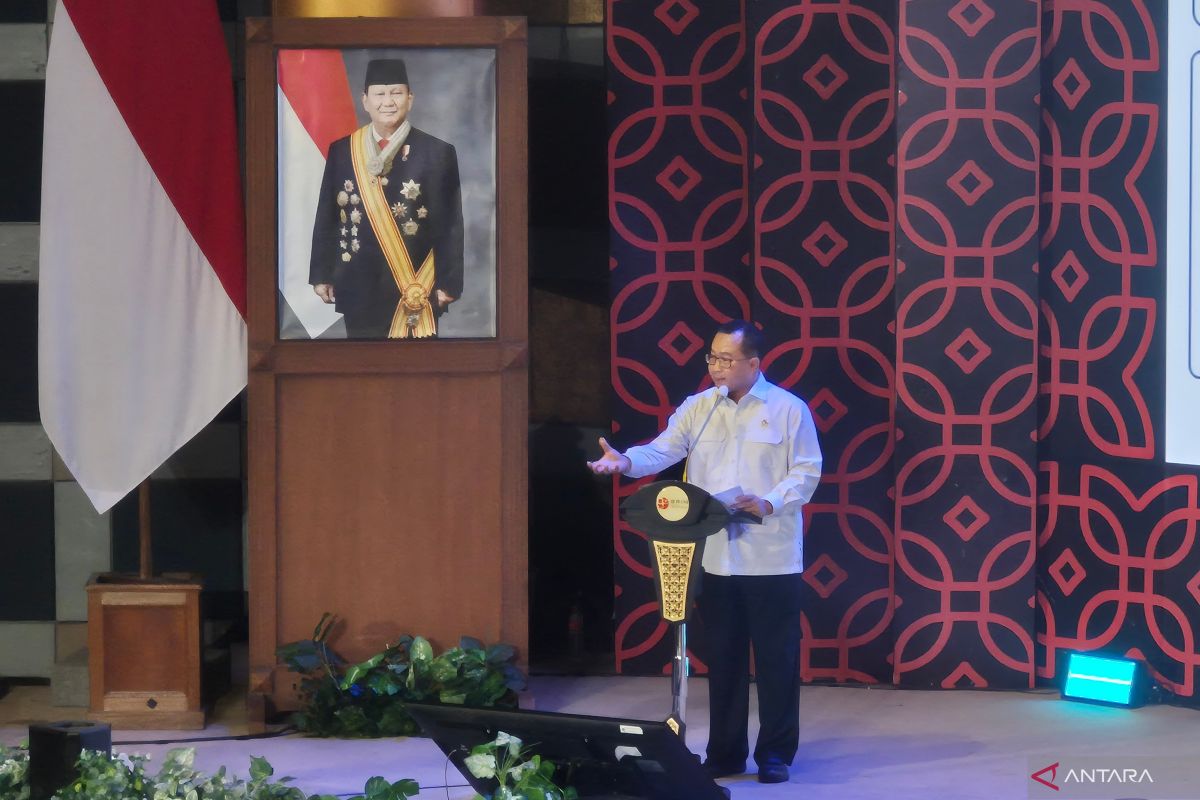
The head of the National Research and Innovation Agency (BRIN), Arif Satria, has stated that not all societal problems need to be solved with advanced technology. Speaking at the Indonesia Innovator Award 2026 event in Jakarta on Monday, Arif revealed that simple technology, such as rubber shoes made without glue or stitching, is not just casual research but a real solution to provide durable, cheap, and easy-to-maintain footwear for underprivileged communities. “We provide technological solutions for our friends and relatives who are less fortunate, so we must empathise with the needs of the community,” he said. In addition to the shoes, Arif highlighted other often-underestimated innovations, including roof tiles made from coconut fibre, bamboo waste, and palm oil composites, as well as an organic waste processing machine called Lahsamor. He admitted he was once mocked because the Lahsamor machine was considered something a vocational high school student could build. “I was once ridiculed, why is BRIN developing Lahsamor? Lahsamor is an organic waste processing machine. People said even vocational students could make it, and it is true, anyone can make simple technology. But why haven’t others done it? The power lies in the creativity of the idea, using simple technology to solve problems,” he stated. According to Arif, the greatness of an innovation is not solely measured by its sophistication, but by the creativity in solving problems. He asserted that simple technology can be a crucial solution for complex issues like waste management in Indonesia, provided it can be socialised and implemented effectively. “Sometimes people lack empathy and only want high technology. But if everything is high-tech, people will also criticise, asking if it is really for the people?” he continued. Therefore, BRIN will continue to develop innovations at multiple levels, from simple technology to advanced technology. All efforts are directed towards a single goal: providing maximum benefit to the wider community. “Once again, whether it is high technology or advanced technology, the orientation remains on its usefulness. We do not avoid simple technology, as long as it is something that has never existed before and is the creativity of our researchers. So we must continue to appreciate researchers who work with this multi-level technology; the most important thing is solving problems,” concluded Arif Satria.