
BRIN: Bali's Subak a global example of low-emission agricultural management
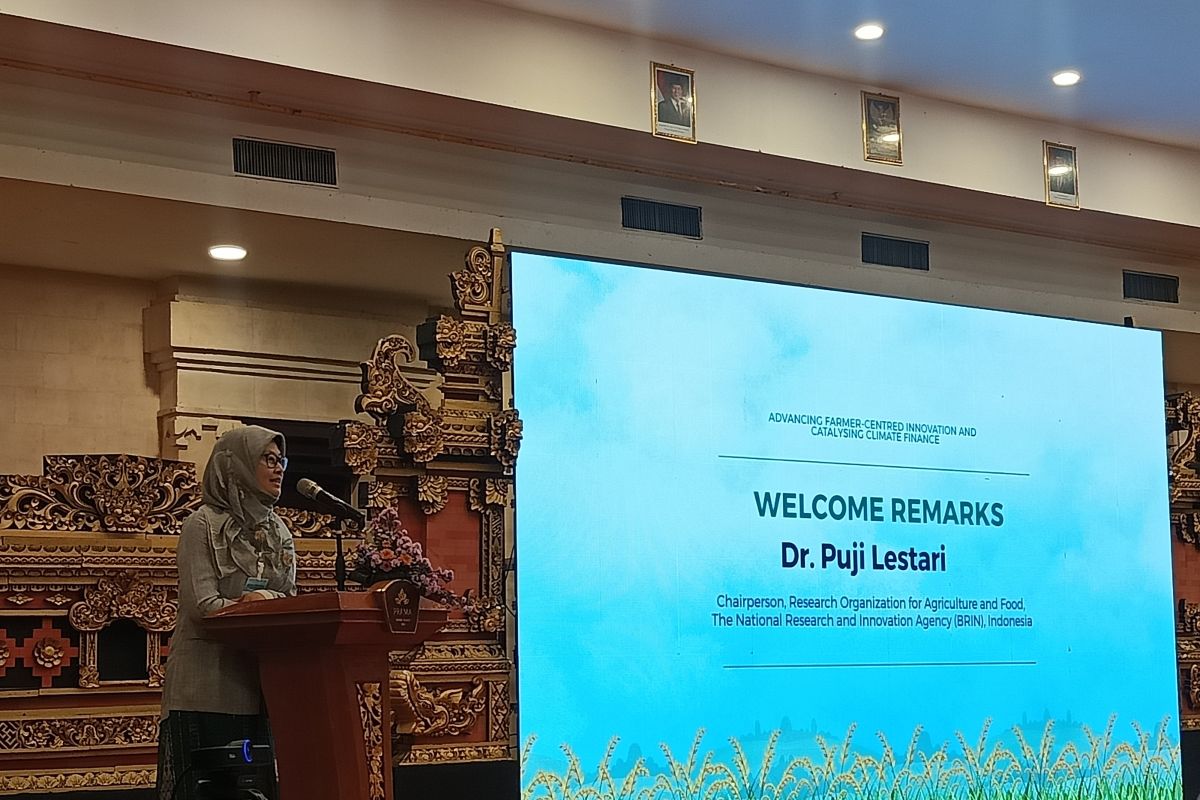
Denpasar (ANTARA) - The National Research and Innovation Agency (BRIN) has stated that the Subak system in Bali serves as a global example of resource management capable of maintaining a balance between low-emission agricultural productivity, environmental sustainability, and inherited cultural values.
Speaking in Denpasar on Wednesday during a knowledge exchange event regarding advanced technologies for low-emission rice and livestock systems, Puji Lestari, Head of BRIN’s Agriculture and Food Research Organisation, emphasised that the Subak system, as a cultural heritage of the Balinese people for over a thousand years, can serve as global inspiration for the development of sustainable, low-emission agriculture.
According to Puji, Subak is not merely an agricultural irrigation management system, but also reflects the Balinese way of life based on Tri Hita Karana, which promotes harmony between humans, nature, and God.
“I cannot imagine a better place to build discussions about the future of food systems than a place where such values are still alive and applied to this day,” she said.
She noted that while the agricultural sector plays a vital role in global food security, it is also one of the largest contributors to methane emissions. Therefore, an approach is required that can simultaneously integrate productivity and sustainability.
During the forum, participants from various Asian and African nations were invited to observe Subak-based agricultural management practices in Bali firsthand as part of a collective learning process regarding farming systems that are adaptive to climate change.
“We need to leave Bali with a real commitment to act now in realising more resilient and sustainable agricultural systems,” she concluded.