
BRIN announces discovery of 29 new plant species from 2025 to early 2026
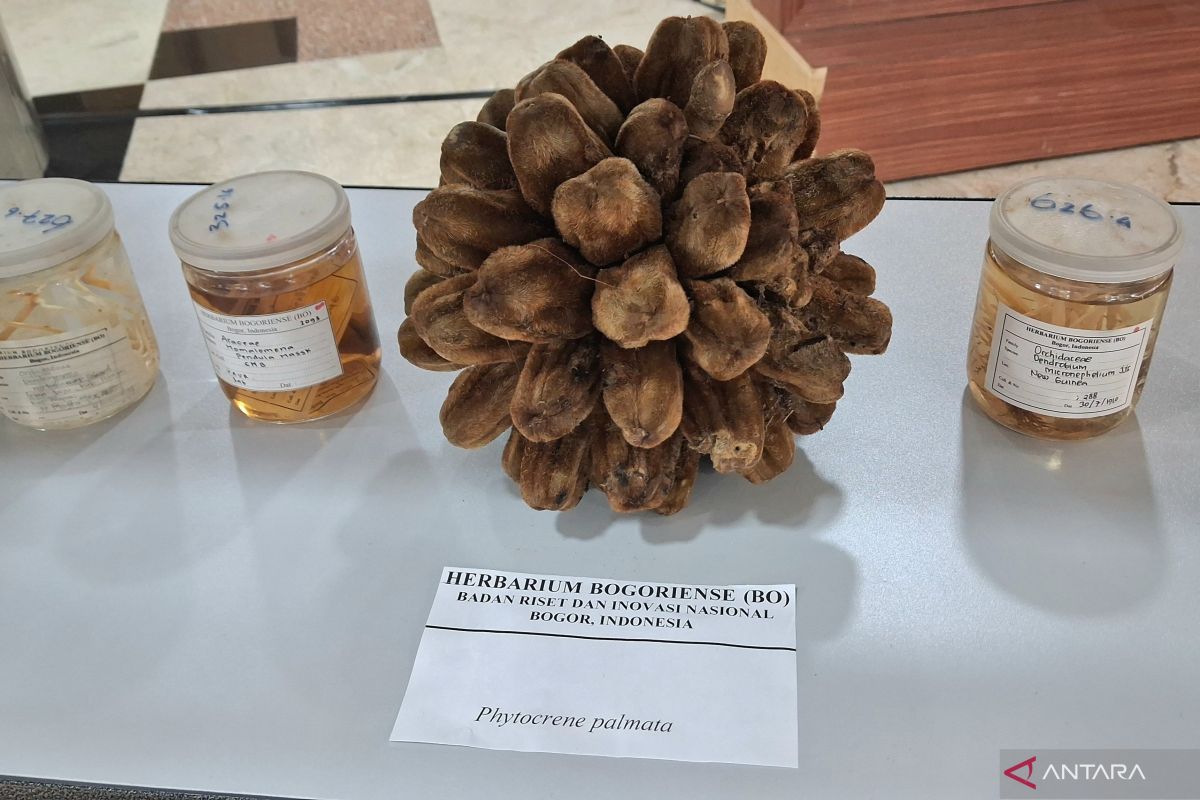
The newly discovered species belong to various plant groups, including Rafflesia, Begonia, Homalomena, Rhododendron, Nepenthes, and orchids (Orchidaceae), found across different regions of Indonesia.
The National Research and Innovation Agency (BRIN) has revealed the discovery of 29 new plant species scientifically described by its researchers and collaborators in Indonesia between 2025 and early 2026.
BRIN Chief Arif Satria stated that the discovery of new plant species is a crucial opportunity to raise public awareness about the importance of conserving national biodiversity, given the current disparity in plant discoveries between Java and other islands.
“The natural secrets in Papua, Kalimantan, and beyond Java have not been fully explored, and we must acknowledge this. Therefore, we will continue expeditions across the archipelago to uncover new findings and species,” he said in Jakarta on Monday.
According to him, these discoveries enable researchers and the government to conduct bioprospecting—the exploration of biological resources for commercial use—through studies related to the species, which can be beneficial, for example, in medicine production.
“Each new species discovered is new knowledge for the world and a reminder of Indonesia’s extraordinary biodiversity that must be safeguarded. Biodiversity research is fundamental to conservation, scientific advancement, and Indonesia’s sustainable development future,” he added.
BRIN noted that since 1967 to 2025, researchers and national and international partners have discovered 1,583 new species, 712 of which are plants. Between 2025 and early 2026 alone, at least 29 new Indonesian plant species have been scientifically described by BRIN researchers and collaborators.
The new species originate from various plant groups, including Rafflesia, Begonia, Homalomena, Rhododendron, Nepenthes, and orchids (Orchidaceae), found across Indonesia. The discoveries confirm Indonesia still holds vast, unexplored biodiversity potential.
“New species discoveries do not happen instantly. They require researchers’ dedication, arduous fieldwork, and sustained research support. Therefore, strengthening taxonomic science and biodiversity exploration must be a collective priority,” he said.
Arif noted that biodiversity conservation challenges are increasingly complex due to land-use changes, climate change, pollution, invasive species, and unsustainable resource exploitation, leading many species to face extinction before being scientifically documented.
“Therefore, biodiversity research must be part of the national strategic agenda. It is not just about plant conservation, but also preserving knowledge sources, ecosystem resilience, and future generations’ prospects,” Arif added.
Source: jawawa.id (https://jawawa.id/newsitem/brin-announces-discovery-of-29-new-plant-species-from-2025-to-early-2026-1780162342)
Originally published by Antara (Indonesian) (https://www.antaranews.com/berita/5581288/brin-ungkap-penemuan-29-spesies-flora-baru-sepanjang-2025-2026), translated from Indonesian