
BRIN and the Ministry of Hajj and Umrah develop research tools to assess the Hajj and Umrah economy
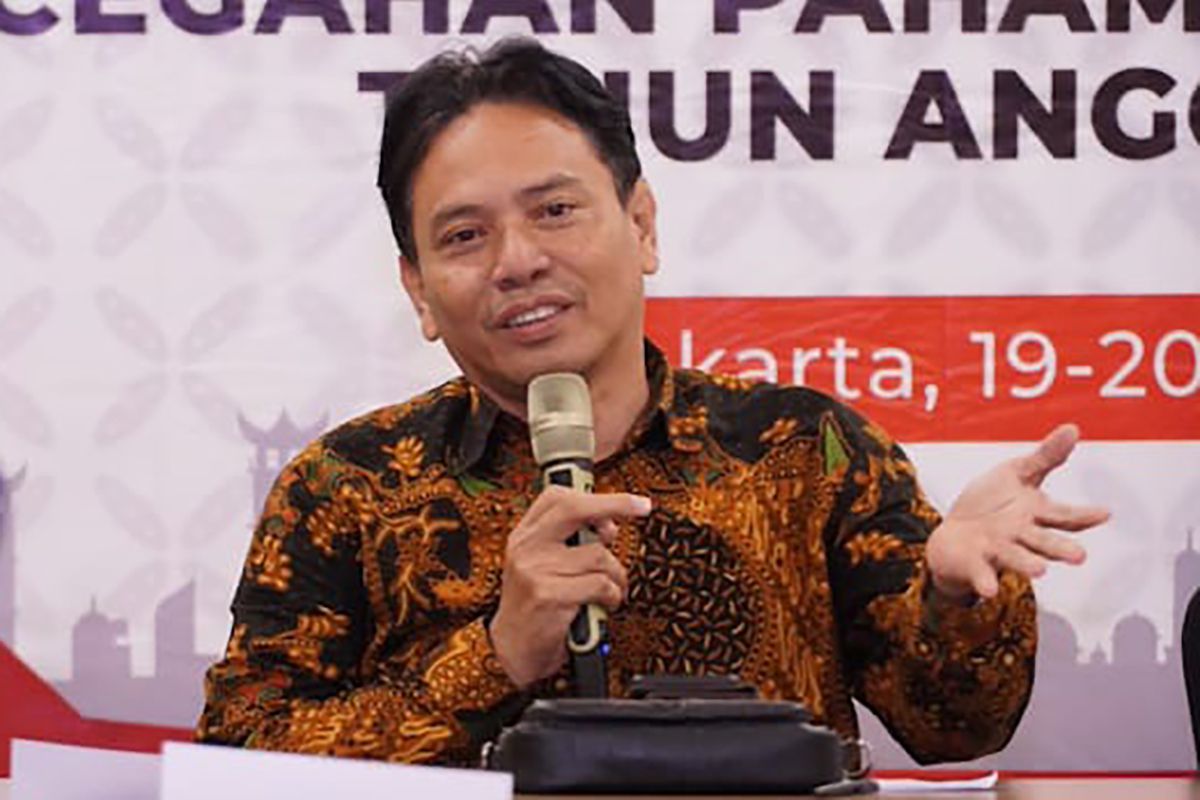
Jakarta (ANTARA) – The National Research and Innovation Agency (BRIN) and the Ministry of Hajj and Umrah (Kemenhaj) are examining the potential of the Hajj and Umrah economic ecosystem through research to identify its contribution to the national economy.
Abdul Jamil, a researcher at BRIN’s Centre for Religious and Belief Research (PRAK), said the study was not merely an academic exercise, but also an effort to help build prosperity and improve people’s welfare. Indonesia, he said, was strategically placed to develop the Hajj economy because it sends the largest number of pilgrims in the world.
“We are not just researching the Hajj; we are trying to formulate how to build a prosperous and thriving country. Indonesia is number one, unique, the best, because the largest number of Hajj pilgrims in the world come from Indonesia,” he said in a statement in Jakarta on Thursday.
Jamil said the research covered ten crucial dimensions of Hajj arrangements, from the waiting period and preparations to the performance of the pilgrimage in Saudi Arabia and pilgrims’ circumstances after they return to Indonesia.
In developing the research framework, Nawawi, head of BRIN’s Centre for Legal Research (PRH), stressed the need to map the stages of the Hajj economy clearly: before the pilgrimage, during its performance and afterwards.
Such mapping is needed to identify economic potential and anticipate “economic leakage” caused by pilgrims’ consumer spending outside facilities officially provided by the government.
“The Hajj economy, when we discuss it, consists of the pre-Hajj economy, the economy during the pilgrimage and the post-Hajj economy. That needs to be clear. The leakage is interesting, because some of our pilgrims spend quite a lot staying in hotels that the government has not provided, in pursuit of privilege,” Nawawi said.
“The circulation of money for the Hajj alone was Rp18.2 trillion in 2026, and for 2027 it is certain to exceed Rp20 trillion. Our target is to measure comprehensively the real contribution of the Hajj ecosystem to GDP,” he said.
Tri also highlighted the limitations of current measures of the Hajj economy’s contribution to gross domestic product (GDP). Statistics Indonesia (BPS) data put that contribution at 0.02 per cent. The figure was considered incomplete because previous calculations covered only household consumption.
The research is being conducted under a cross-institutional research funding programme, the Merah Putih Development Policy Research Programme (Prima), run by BRIN and the Indonesia Endowment Fund for Education (LPDP). It is expected to produce a robust data base for more comprehensively measuring the contribution of the Hajj and Umrah economic ecosystem.
Source: jawawa.id (https://jawawa.id/newsitem/brin-and-the-ministry-of-hajj-and-umrah-develop-research-tools-to-assess-the-hajj-and-umrah-economy-1793861757)
Originally published by Antara (Indonesian) (https://www.antaranews.com/berita/5833467/brin-kemenhaj-susun-instrumen-riset-ekosistem-ekonomi-haji-dan-umrah), translated from Indonesian