
BRIN Accelerates Development of Infection Drugs Based on Indonesian Resources
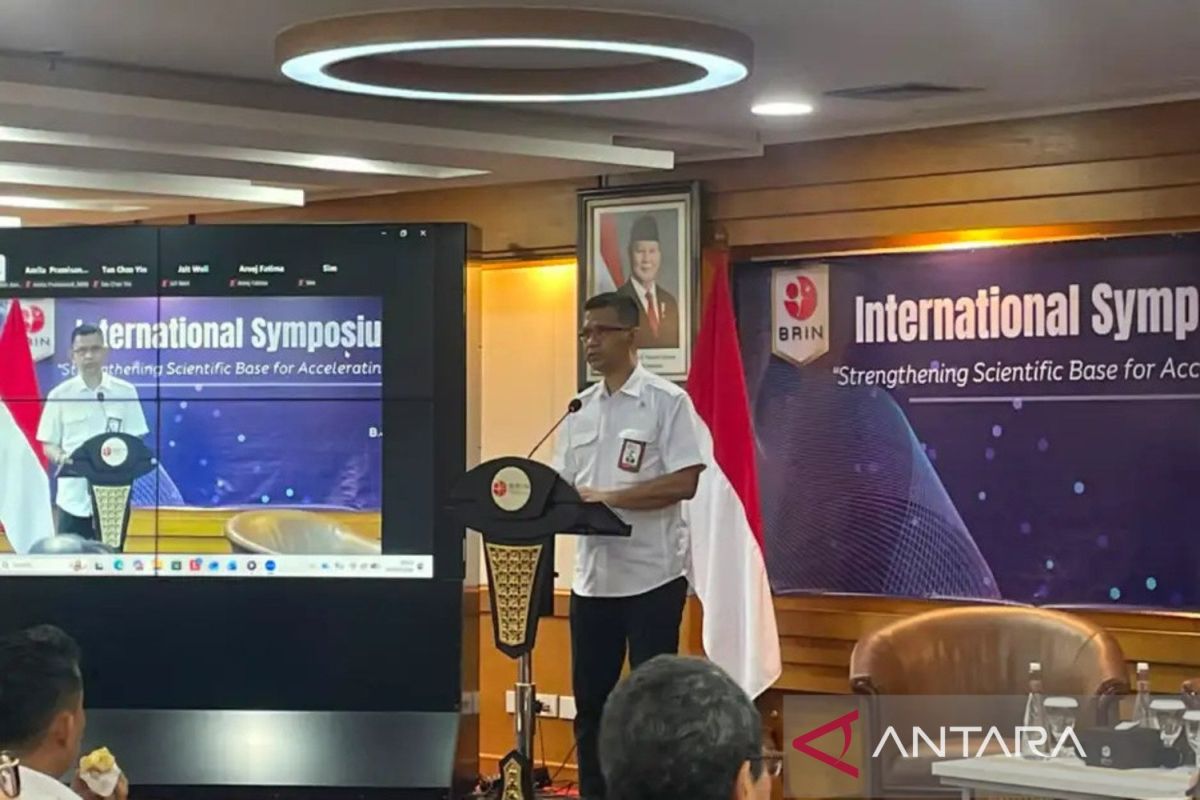
The National Research and Innovation Agency (BRIN) is accelerating the development of drug candidates for infectious diseases based on Indonesia’s biological wealth as a strategic move to strengthen national pharmaceutical resilience. This effort was advanced through the International Symposium on Drug Discovery and Development in Jakarta on Tuesday, which brought together researchers from Indonesia, Japan, and Malaysia to reinforce the scientific foundation for developing infectious disease drugs, from the discovery of lead compounds to preclinical safety testing. “Indonesia is a megabiodiverse country with enormous potential to discover new therapeutic compounds from its rich biological resources. However, translating this potential into viable drug candidates remains a challenge that needs to be accelerated through research and development,” said BRIN Deputy Head Amarulla Octavian in a written statement. He noted that infectious diseases remain a major global health challenge. Indonesia itself continues to face various endemic diseases such as malaria, tuberculosis, dengue fever, and amoebiasis, which are becoming increasingly complex due to climate change, globalisation, and rising pathogen resistance. Amarulla stated that strengthening research capacity is also an important part of supporting national pharmaceutical resilience, in line with the government’s strategic priorities. Currently, Indonesia still imports more than 90 percent of the raw materials and active pharmaceutical ingredients used by the national pharmaceutical industry. According to him, this situation encourages BRIN to continue optimising the utilisation of Indonesia’s biodiversity as a source of health innovation. “BRIN is committed to reducing this dependency by utilising Indonesia’s biodiversity more optimally through the development of health technology and innovation that can enhance national competitiveness while addressing public health challenges,” he said. Amarulla emphasised that drug development is a complex process that cannot be undertaken by a single institution alone. Cross-disciplinary collaboration is needed to bridge all stages of research, from compound discovery and lead optimisation to in vivo efficacy testing and preclinical safety evaluation. “The research we conduct must be able to bridge the valley of death through translational research, lead compound optimisation, and comprehensive preclinical safety and efficacy evaluation,” he stated. “We need to translate local biodiversity and early-stage research results into viable therapeutic candidates for endemic infectious diseases, thereby providing a real impact on national health resilience and contributing to the handling of the global health crisis,” Amarulla Octavian added. He assessed that the growing threat of drug resistance makes the development of new medicines increasingly urgent. Hiroyuki Matsuda remarked, “Drug discovery cannot be achieved by a single researcher or a single institution. Close cross-disciplinary collaboration and knowledge-sharing partnerships are required. We hope this symposium can strengthen research networks, especially for young researchers, and give rise to new collaborations that support the development of life-saving drugs.”