
Brief Panic After Japan Mistakenly Issues Magnitude 9.9 Earthquake Alert
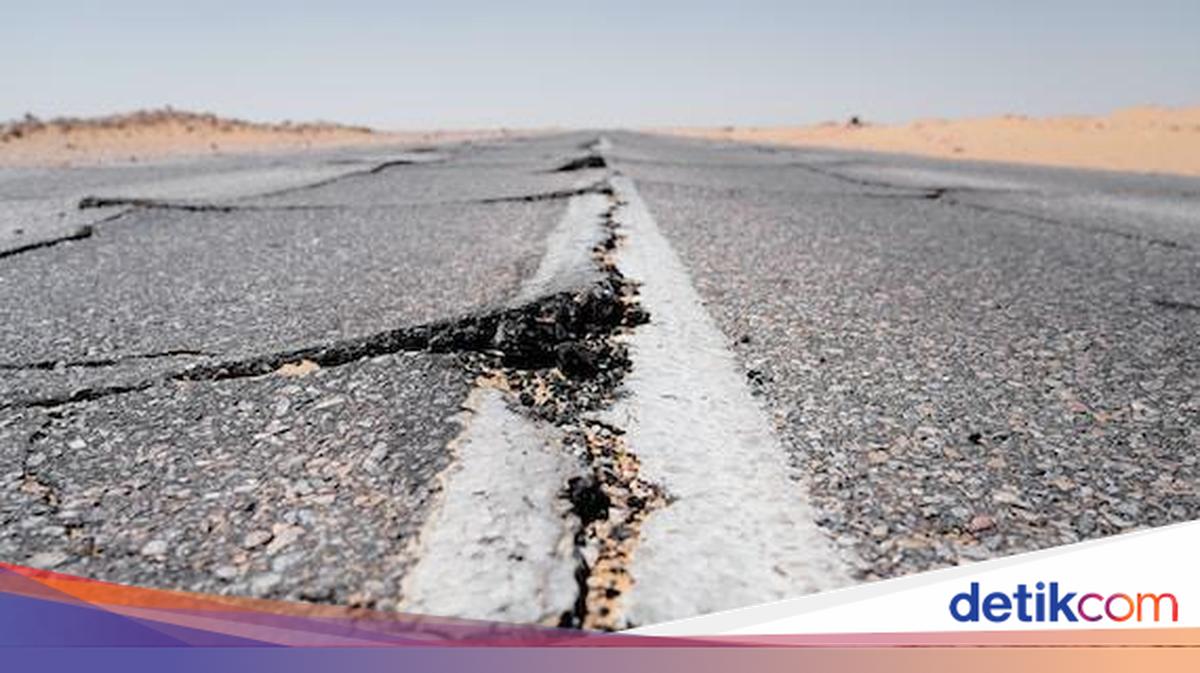
People in Japan were briefly panicked by a warning of a devastating magnitude 9.9 earthquake expected to hit the country. It turned out that the alert was erroneous.
Japan’s Meteorological Agency cancelled a strong-earthquake shaking warning it had issued on Friday (16 October), after discovering a mistake.
Japan Today reported that the warning was triggered by an error in estimating the earthquake’s magnitude, which had been put as high as a catastrophic 9.9. It caused temporary disruption to public transport in several parts of the country.
The agency said its computer system had incorrectly identified the earthquake’s epicentre, resulting in an excessively high magnitude estimate.
The alert was issued at 12.40 pm for a wide area stretching from northern to central Japan. It said the earthquake had occurred in the Chishima Islands—also known as the Kuril Islands—off the coast of Hokkaido.
The agency later confirmed that a magnitude 6.9 earthquake had in fact occurred near Russia’s Kamchatka Peninsula, at a depth of 160 kilometres, at around 12.38 pm.
The alert briefly alarmed the public, as it urged people to prepare for shaking of up to Level 7—the highest rating on Japan’s seismic intensity scale.
However, the agency said the strongest shaking recorded was only Level 1, in Hakodate in south-western Hokkaido.
After the warning was issued, 14 tram services in Sapporo, Hokkaido, stopped for several minutes, according to the operator, before resuming once conditions were deemed safe.
Shinkansen services on the Tokaido line were also temporarily suspended between Shin-Yokohama and Toyohashi stations. JR Central said, however, that the earthquake warning was not the direct cause of the service suspension.
The early warning was cancelled eight minutes after it was issued. Many residents received it on their smartphones or learned of it through television and radio broadcasts, or local government loudspeaker systems.
“We have caused great concern and placed a burden on people seeking shelter or taking steps to protect their safety, as well as on others, including transport systems and businesses affected by the incident,” Chief Cabinet Secretary Minoru Kihara said at a press conference.