
Bridge of Two Eras: Gen Z and Nostalgic Audiences at Wayang Orang Bharata
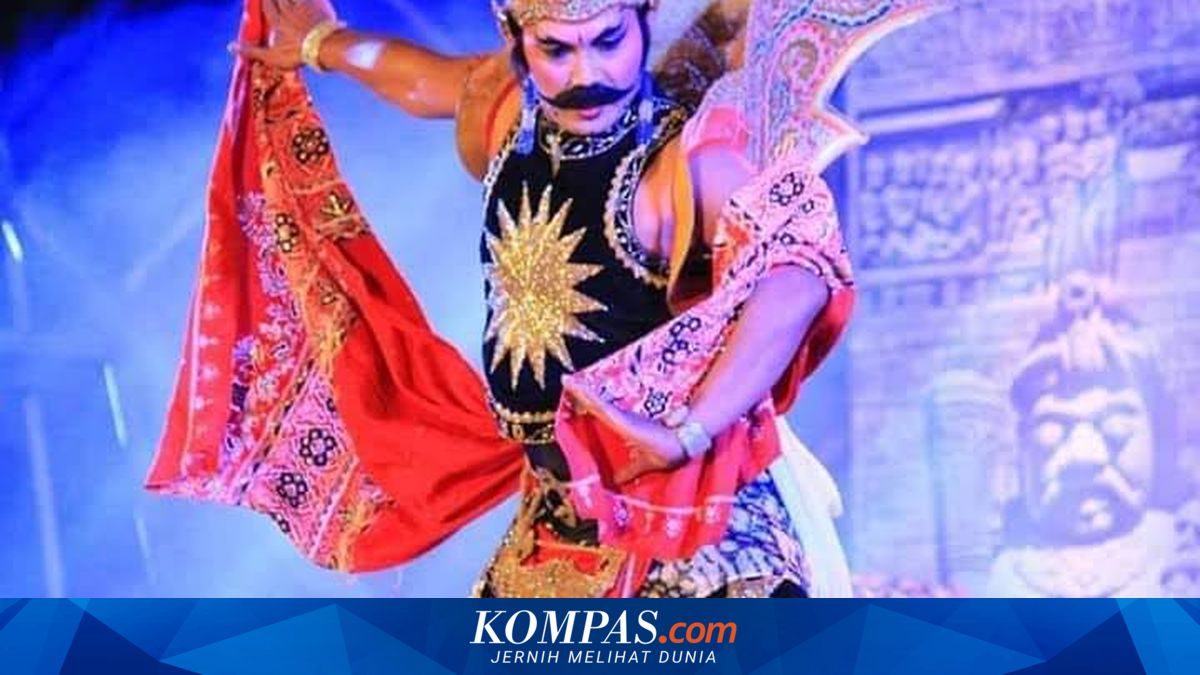
JAKARTA, KOMPAS.com - The existence of Wayang Orang Bharata as a traditional art form demonstrates its ability to bridge generational gaps among audiences from two different age groups amid the growing dominance of digital entertainment.
For younger generations, exposure to traditional arts once considered distant is now increasingly bridged by social media algorithms.
Short, aesthetically curated video clips on digital platforms are gradually erasing the stigma that Wayang Orang is an outdated art form, while sparking curiosity to experience it live in theatres.
This experience is shared by Nadia Putri, 23, who claims to have known the term Wayang Orang since childhood, but only through her parents’ stories.
Her perspective shifted when she accidentally came across a clip of a Wayang Orang Bharata performance on social media.
After watching it live, Nadia found the experience vastly different. She noted that sitting in the audience seats provided a unique impression, allowing her to witness the performers’ dancing, dialogue, and full character expression firsthand.
“I got front-row tickets and was amazed by how strong the performers’ dancing, dialogue, and expressions were. It wasn’t just about watching the story, but seeing the artistry on stage,” Nadia said in an Instagram message on Saturday, 23 May 2026.
That initial experience captivated Nadia, leading her to embrace Wayang Orang as a performance worth attending more than once.
“I never thought I’d return after one show, but now I want to come back because each story has a different atmosphere,” she said.
For Nadia, the core strength of Wayang Orang lies in an experience that digital media cannot fully replicate.
She noted that the blend of gamelan music, performers’ expressions, and stage atmosphere creates a far more vivid experience than watching on a mobile screen.
“On social media or streaming, you only see through a screen, but with Wayang Orang, you can see the performers’ energy, expressions, gamelan sounds, and the entire stage atmosphere firsthand,” she said.
Additionally, the intricate costumes, makeup, and dynamic character dialogues create fluctuating emotions that keep the performance from becoming monotonous.
“What I love most is the live atmosphere. When the gamelan starts playing and the performers enter in full costume, it gives me goosebumps,” she added.
Nadia believes social media plays a crucial role in introducing Wayang Orang to younger audiences.
She noted that many young people first encounter performances through short-form digital content.
Video clips, scene snippets, and behind-the-scenes content, according to Nadia, act as bridges that make traditional arts feel more accessible to the younger generation.
“Most young people first learn about things through social media. Even I became interested in Wayang Orang after seeing its content,” she said.
However, she noted that this perspective often changes once they experience the performance live.
“Wayang Orang is not just entertainment but also Indonesia’s cultural identity. It contains stories, life values, language, traditional music, and philosophy that cannot be found elsewhere,” she added.
While younger generations like Nadia discover Wayang Orang through mobile screens, older audiences like Dewi, 42, rediscover the stage through childhood memories.
For Dewi, Wayang Orang is not new but part of her life journey that she had lost touch with before rediscovering it in changing times.
She grew up with Wayang Orang as her parents frequently took her to performances.
However, her busy teenage and adult years kept her away from the theatre for a long time.