
BRI Reaps Low-Cost Funds! CASA Grows 13%, Third-Party Funds Reach Rp1.555 Trillion
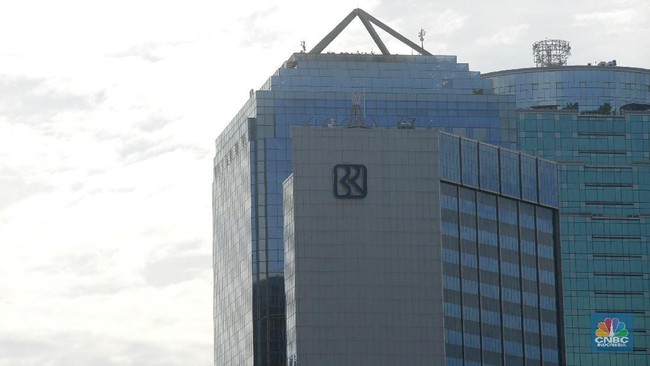
Jakarta, CNBC Indonesia — The funding performance of PT Bank Rakyat Indonesia (Persero) Tbk has become the main highlight in the first quarter of 2026. Amid tight liquidity dynamics, BRI managed to record solid growth in third-party funds (DPK) while improving the quality of its funding structure.
President Director Hery Gunardi stated that this success is inseparable from the transformation strategy implemented with discipline and a focus on low-cost funds.
“In the midst of challenging dynamics, BRI has managed to maintain healthy growth through serious and cautious transformation,” he said during the Q1 2026 performance presentation on Thursday (30/1/2026).
As of the end of March 2026, BRI’s total DPK reached Rp1.555 trillion, or a 9.4% year-on-year (yoy) growth. This growth was supported by the increasingly dominant performance of low-cost funds (CASA).
BRI’s CASA was recorded at Rp1.0586 trillion, growing 13.2% yoy. This increase reflects the company’s success in strengthening its low-cost funding base, which is key to cost efficiency amid banking industry liquidity competition.
Along with that, BRI’s cost of funds (CoF) showed significant improvement, dropping from 3% to 2.3% in Q1 2026. This decline underscores the effectiveness of the CASA strategy in keeping the funding structure efficient.
This strengthening on the funding side also provides room for improved profitability. BRI’s net interest income (NII) was recorded to grow 11.9% yoy to Rp40.15 trillion.
In addition, funding efficiency and quality also impacted profitability ratios. Return on assets (ROA) increased from 2.7% to 2.8%, while return on equity (ROE) rose from 17.1% to 18.4%.
On the lending side, BRI’s credit grew solidly 13.7% yoy to Rp1.562 trillion. The SME segment remains the main pillar with total lending reaching Rp1.211 trillion.
Finance & Strategy Director Achmad Royadi said BRI still has ample room to drive credit growth. This is because the loan-to-deposit ratio (LDR) is at 87.22%.
“Still ideal, not too tight and sufficient to encourage credit growth,” he said.