
BRI Launches Currency Exchange Services at Strategic Locations to Boost Foreign Currency Transactions
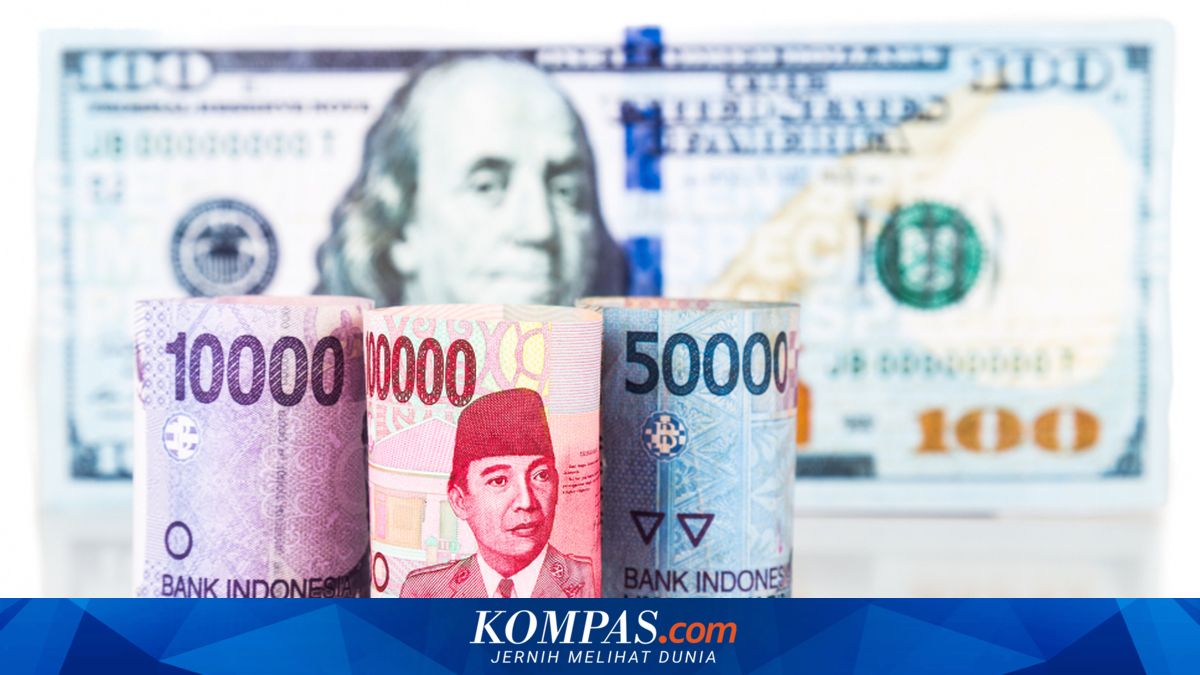
JAKARTA - PT Bank Rakyat Indonesia (Persero) Tbk (BRI) has made it easier for customers to meet international transaction needs by optimising its currency exchange services. The facility is part of the bank’s commitment to providing official and transparent foreign currency exchange access at strategic locations.
To accommodate diverse transaction needs, BRI’s currency exchange services handle exchanges for 20 major foreign currencies, including US Dollar (USD), Singapore Dollar (SGD), Euro (EUR), Australian Dollar (AUD), British Pound (GBP), Japanese Yen (JPY), Philippine Peso (PHP), and New Zealand Dollar (NZD).
BRI Corporate Secretary Dhanny stated that the currency exchange service is part of efforts to provide accessible foreign currency transactions for the public. “The development of this service is a concrete effort by BRI to simplify customer transactions by offering practical foreign currency solutions at departure and arrival points. With competitive exchange rates and maintained service standards, BRI ensures certainty and efficiency for customers,” Dhanny said in a statement on Saturday, 30 May 2026.
Currently, BRI currency exchange outlets are fully operational to serve customers at major international transport hubs. These include Terminal 3 of Soekarno-Hatta Airport in Jakarta, Ngurah Rai Airport in Bali, Juanda Airport in Surabaya, Bintan Telani Port in Bintan, and the Motaain Cross-Border Checkpoint in East Nusa Tenggara.
In addition to dedicated outlets, foreign currency exchange services are widely available through BRI’s network of branches across Indonesia.
“Through the currency exchange services we provide, BRI ensures all foreign currency transactions are conducted officially, securely, and integrated with the banking system,” Dhanny added.
“The presence of these services is also expected to support the smooth flow of economic activities and public mobility at high cross-border activity points,” he concluded.