
BRI KUR Support Helps Rita Expand Hambalang Eatery
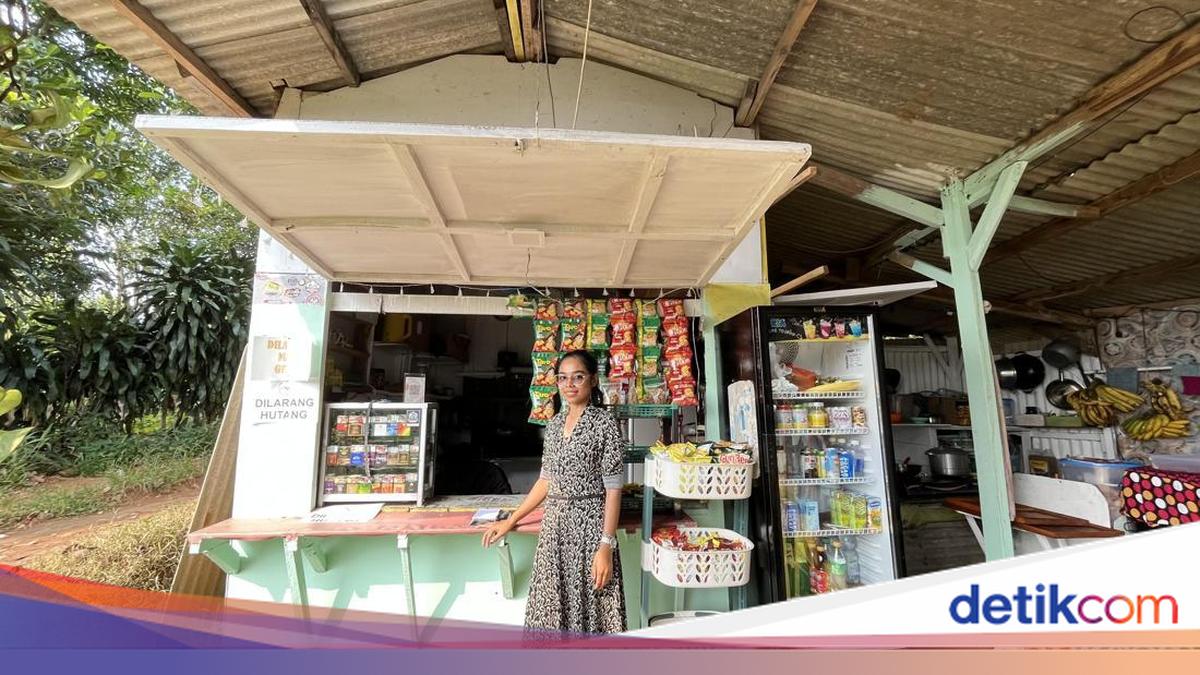
Oldies tunes play from Kafe Asmara, a small eatery on Jalan Hambalang in Citeureup, Bogor Regency. Visitors sing along while chatting and enjoying the afternoon atmosphere. Kafe Asmara has become a popular spot for locals on weekends, where they gather, share stories, and enjoy views from Bogor’s highland area.
In the bustling atmosphere, Rita Sahara, 32, is busy serving arriving customers, ensuring all orders reach diners’ tables. Rita explained her eatery opened around three years ago, starting from her passion for cooking and desire to run her own business. ‘I really wanted to start a food business. So when the idea came, I just went for it and focused on it,’ Rita said.
Initially, Rita’s eatery was basic, with only tables and chairs for customers. Over time, she noticed customers staying longer, so she shifted to a lesehan (floor seating) concept for greater comfort. Rita rented the location for her eatery, using personal savings initially. However, her funds were insufficient, so she applied for a BRI KUR loan of Rp 30 million over three years.
Like any new business, Kafe Asmara faced early struggles. Rita initially earned no income but remained confident it would grow. ‘I just kept going, trusting it would succeed. That was my belief,’ she said. Rita now earns Rp 50 million monthly, covering rent, ingredients, electricity, and Wi-Fi costs.
Menu items include fried chicken, fried rice, and soto soup, alongside snacks like cheese banana, grilled bread, and bakwan. For ingredients, Rita sources from nearby markets, selecting fresh and suitable produce. Two staff members, Rita’s relatives, assist her on a rotating schedule during day and night shifts. ‘I handle the cooking. On weekends, we bring in extra help,’ Rita added.
Customers come from diverse groups, including motorcycle and remote-control car clubs, and regions across Indonesia—from East Nusa Tenggara to Papua. ‘It’s a mix of everyone,’ she said. Visitor numbers fluctuate daily, but weekends are busiest as locals come to enjoy the atmosphere. ‘Weekdays see just one or two customers, but weekends get busy,’ she noted.
Rita used the KUR loan to build an upper section for scenic views, which increased visitors due to the more comfortable setting. ‘It makes them comfortable. This upper area was built with KUR funds—that’s what I mean by significant,’ Rita said. She also noted the loan improved her economic situation, with most profits saved rather than spent. ‘I haven’t bought things like motorcycles or anything; I just save it,’ Rita said.
Rita plans to build a larger kitchen, as the current space is too cramped for cooking operations. ‘The kitchen expansion is planned, but timing is uncertain—it’s still just a plan,’ Rita said. She thanked BRI for the KUR funding, stating it greatly supported her small business. ‘Thank you so much for the help. As a small UMKM operator, this support has been invaluable. I hope KUR helps more UMKMs out there—it really does make a difference,’ Rita said.
Rita’s KUR disbursement is part of BRI’s commitment to supporting UMKMs, with loans aimed at boosting community economic growth. Giri Laksomono, BRI Cibinong Branch Micro Business Manager, said KUR disbursements for UMKMs have grown yearly. He noted business conditions stabilised after the pandemic’s impact. ‘Year by year since COVID-19, things have improved and stabilised. As stability returns, demand for bank loans—especially KUR—to scale up businesses has kept rising,’ Giri said. He hopes continued KUR disbursements will help UMKMs grow, enabling them to expand operations and improve their economic conditions. ‘From a business perspective, KUR’s interest rates aren’t highly profitable for BRI. It’s minimal yield, but morally, our responsibility is to disburse credit,’ he added.