
BRI: BI-Rate Hike a Prudent Measure to Control Rupiah and Inflation
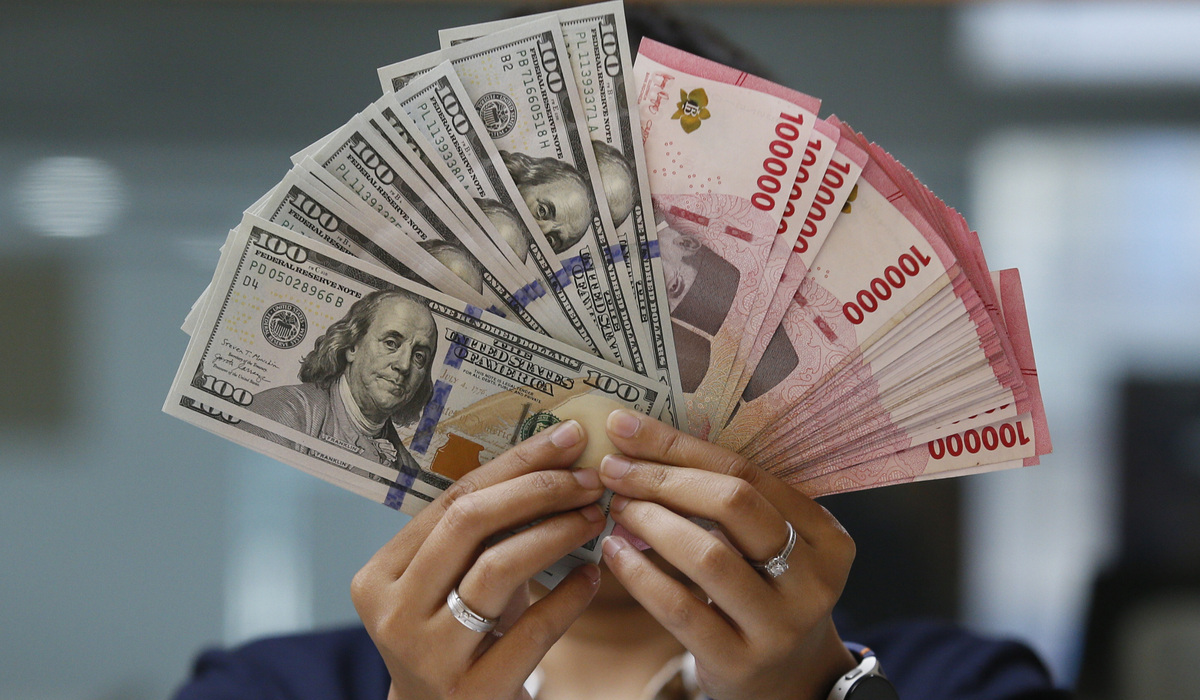
PT Bank Rakyat Indonesia (Persero) Tbk, or BRI, considers Bank Indonesia’s (BI) decision to raise the benchmark interest rate, or BI-Rate, by 25 basis points to 5.5% as a precise step to maintain rupiah exchange rate stability amid high volatility in global financial markets. Furthermore, BI’s move is also deemed important to ensure the inflation rate remains within the target range set by the central bank. ‘The company views this as part of monetary policy to maintain national macroeconomic stability, particularly the stability of the rupiah exchange rate,’ said BRI Corporate Secretary Dhanny in an official statement on Tuesday (9/6). On the other hand, BRI believes the fundamentals of the national banking industry remain in a strong condition. This is reflected in adequate capital, maintained liquidity, and asset quality that remains resilient amid economic dynamics. ‘BRI believes the fundamentals of the national banking industry remain strong,’ said Dhanny. In line with this, the company will continue to implement prudent asset and liability management. As a bank with a primary focus on the micro, small, and medium enterprise (MSME) segment, BRI will also closely observe market developments and interest rate movements to ensure its intermediation function continues to run optimally. BRI, Dhanny affirmed, also emphasised its commitment to maintaining capital adequacy, preserving liquidity, and optimising its liability structure to support sustainable lending and national economic growth. Separately, BI Governor Perry Warjiyo described the BI-Rate hike as a follow-up measure to strengthen rupiah exchange rate stabilisation from the impact of high global turmoil due to conflicts in the Middle East. ‘And as a pre-emptive measure to keep inflation in 2026 and 2027 within the government’s target range of 2.5±1%,’ said BI Governor Perry Warjiyo in an official statement on Tuesday (9/6). This policy, he continued, is also aimed at increasing yields to attract foreign portfolio investment inflows into Indonesia. In an evaluation since the Board of Governors Meeting on 18-19 May 2026, the rupiah exchange rate showed weaker-than-expected developments. Besides being caused by ongoing global turmoil and high domestic foreign exchange demand, the weakening was also driven by foreign portfolio investment outflows from Indonesia. In connection with this, Bank Indonesia views it necessary to take further steps to strengthen rupiah exchange rate stabilisation. This includes re-increasing yields and several other incentives in monetary operations to encourage foreign investment inflows. ‘The intended rupiah exchange rate stabilisation is also pursued so that Indonesia’s external economic resilience is maintained and the inflation targets for 2026 and 2027 remain achievable,’ said Perry. Apart from raising the BI-Rate to 5.50%, Bank Indonesia is also taking measures to strengthen rupiah exchange rate stability to increase yields and provide several other incentives for incoming foreign investment, as follows: namely, an increase in the interest rate structure for Bank Indonesia Rupiah Securities (SRBI) for all tenors of 6, 9, and 12 months. Then, providing incentives in the form of a reduction in hedging swap rates for foreign investors. Also, reopening the auction window for repurchase agreement (repo) instruments for tenors of 3, 6, 9, and 12 months for banks. ‘As well as increasing the intensity of monetary operations, both in rupiah and foreign exchange,’ he said.