
Brebes Regent Paramitha Wins Disway Top Regional Leader Award for Agricultural Leadership
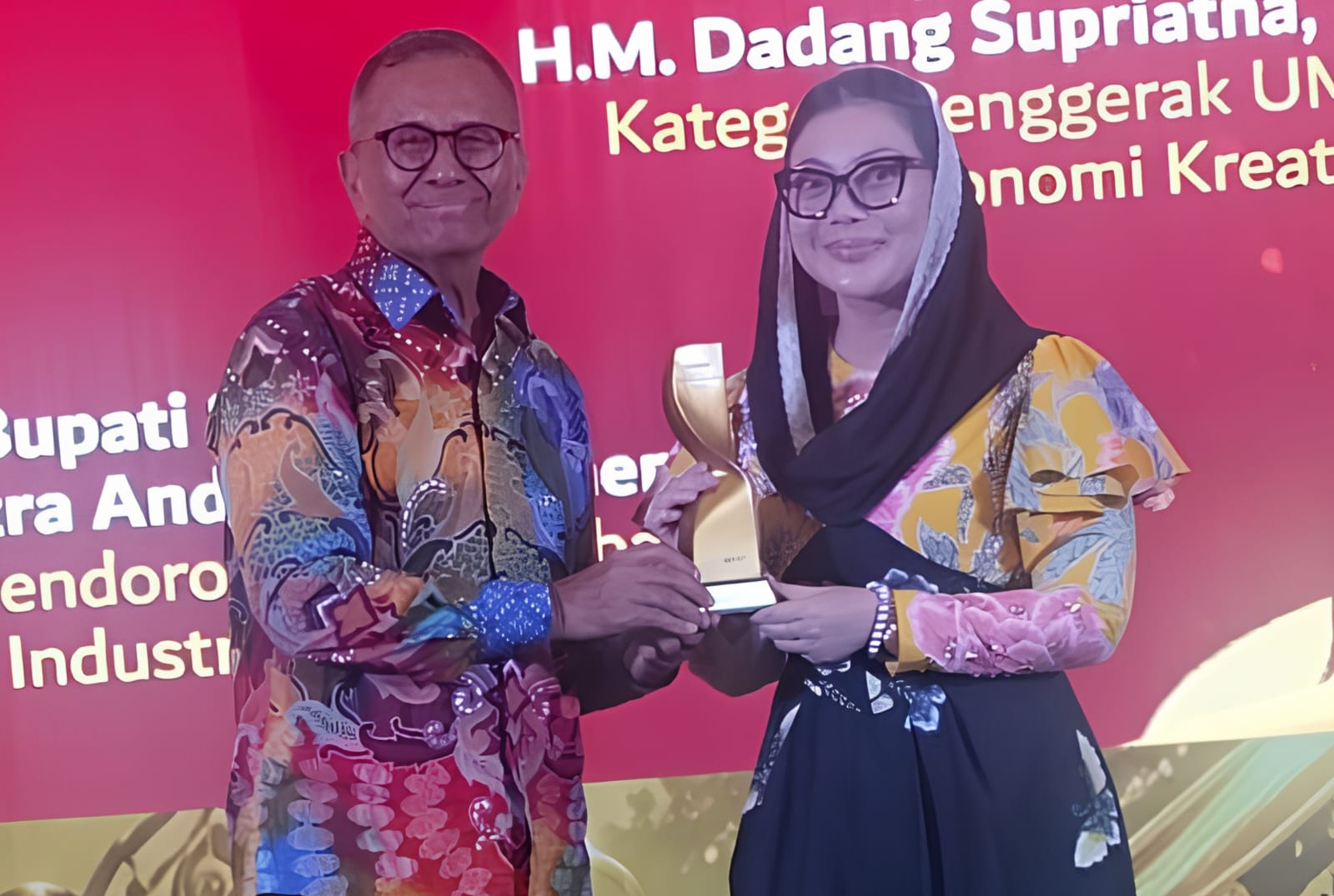
The Brebes Regency Government’s efforts to strengthen the agricultural sector as a pillar of food security and public welfare have received national recognition. Brebes Regent Paramitha Widya Kusuma received the Disway Top Regional Leader Awards 2026 for her leadership in driving regional development. The award was presented directly by Disway Group Founder Dahlan Iskan at the JW Marriott Hotel Jakarta on Thursday (11/6). Regent Paramitha was among seven regional heads from Central Java Province to receive the award. The award is based on an assessment of governance innovation, regional leadership, public services, and development successes that provide direct benefits to the community. In Brebes, the agricultural sector has shown significant achievements under Paramitha’s leadership. Regent Paramitha stated that the agricultural sector plays an important role in supporting the regional economy while safeguarding community food security, making agricultural development a continuing priority for the local government. She noted that Brebes Regency has successfully maintained its position as one of Central Java’s food barns and a national shallot centre, which is the region’s identity and economic strength. She explained that agricultural development in Brebes is not only focused on increasing food production but is also directed at creating jobs, increasing people’s incomes, reducing poverty, and strengthening regional competitiveness. To achieve this, the Brebes Regency Government has established several strategic policies, including increasing agricultural productivity, modernising agricultural tools and machinery, strengthening food security, and developing high-economic-value superior commodities. The success of agricultural development is also supported by collaboration among various parties, from the local government, agricultural extension workers, and farmer groups to universities, businesses, and the central government. This synergy enables aid, mentoring, and agricultural development programmes to run more effectively and on target. Furthermore, agricultural modernisation continues to be encouraged through the provision of agricultural tools and machinery, the use of superior seeds, the construction of agricultural infrastructure, and the application of more efficient and environmentally friendly cultivation technology. Various challenges facing the agricultural sector, such as climate change, water limitations, pest attacks, land conversion, and commodity price fluctuations, are being addressed through strengthening irrigation networks, developing agricultural water sources, and enhancing plant protection and farmer institutions. The local government is also continuing to bolster food security through food diversification, the use of productive yards, the development of food reserves, and improving food quality and safety. Paramitha affirmed that all these policies aim to improve farmer welfare through increased productivity, farming business development, strengthened market access, and enhanced added value for agricultural products.