
Breaking Through the Physical Walls of Our Education
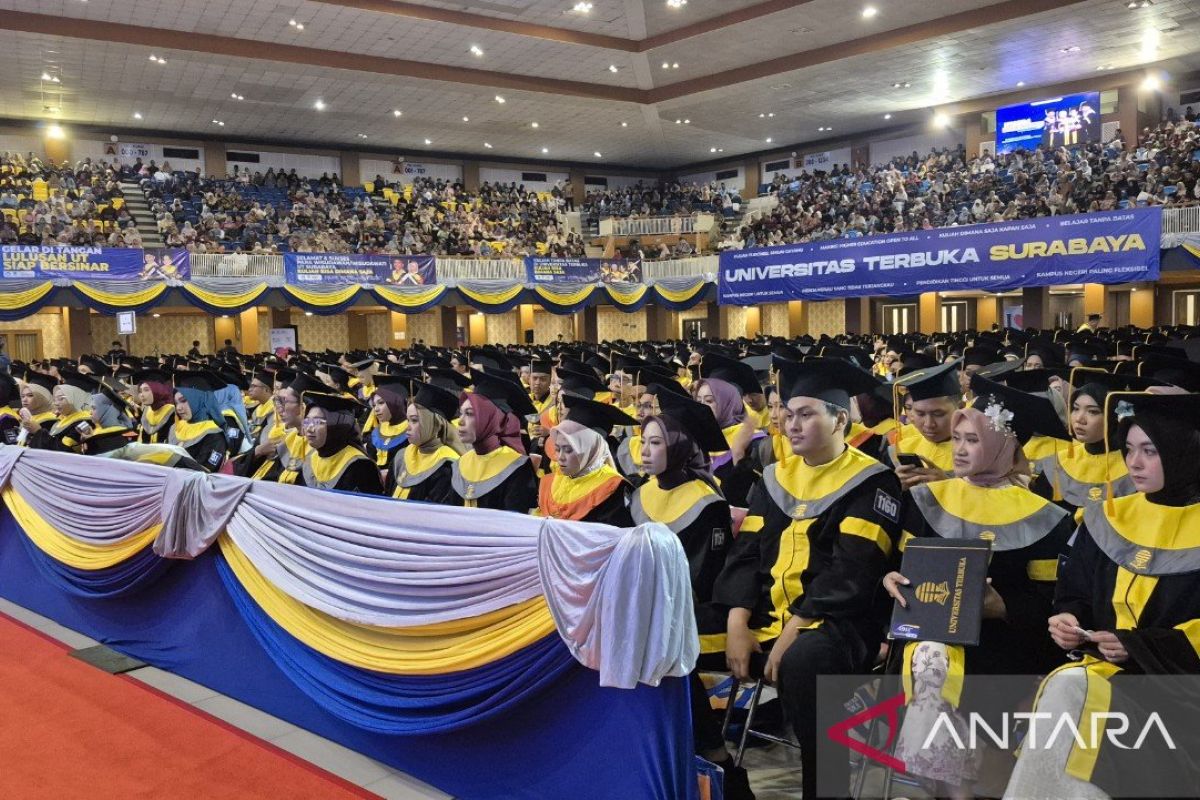
The quality of education is no longer determined by the grandeur of campus buildings or the expanse of physical libraries, but by how broadly the benefits of knowledge can reach those previously hindered by barriers of distance and time limitations.
Jakarta (ANTARA) - Imagine a classroom without desks, without a blackboard, without face-to-face interaction, and even without voices. Strange but true: the conversations are more lively, the arguments sharper, and the engagement feels deeper.
This is like shattering our old belief that learning must always involve physical presence. In fact, from this intangible space, the meaning of learning is being rewritten.
Physical classrooms have long been regarded as sacred spaces for learning. There is a strong conviction that without face-to-face interaction, the transfer of knowledge is merely a mechanical, bland process that lacks soul.
The author’s experience over the past year as a teaching fellow in online tutorial sessions at Universitas Terbuka (UT) tells a different story.
Leading four classes with a total of 200 students in the Multicultural Communication course was not just an administrative matter, but a true test of academic leadership in a digital space.
Two hundred is a large number, even for conventional university classes. In an offline system, this might drain the instructor’s energy at the front of the room. However, in a mature online tutorial ecosystem, this number transforms into an extraordinarily broad wealth of perspectives.
Here, the democratisation of education is no longer just jargon in ceremonial speeches on National Education Day, but a pulsating reality in every weekly discussion forum. The spirit of Ki Hadjar Dewantara to liberate humanity through access to knowledge finds its new form behind gadget screens.