
Breaking through sea cliffs: health workers strive to serve communities affected by the East Nusa Tenggara earthquake
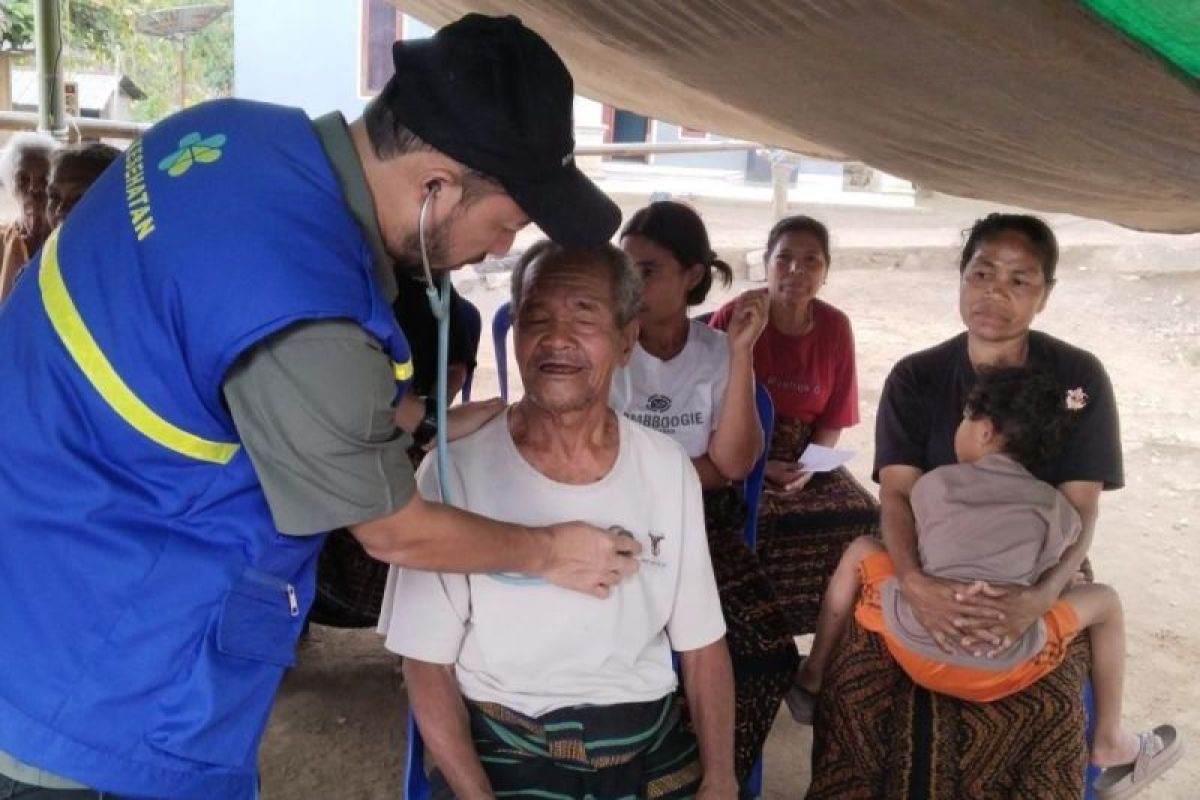
Jakarta (ANTARA) — Damaged mountain roads, steep cliffs and ravines, and a two-hour sea journey have not stopped health workers from reaching communities affected by the earthquake in Ende Regency, East Nusa Tenggara (NTT).
In a statement from the Ministry of Health in Jakarta on Tuesday, volunteers from the ministry’s Health Reserve Team (TCK), Dr Halik Malik and three other volunteers, described their efforts to deliver health services amid limited access and a number of health facilities that have yet to function optimally as a result of the disaster.
“Most of the working area of the community health centre where we are posted consists of hard-to-reach areas. Generally, they can only be reached by vehicle with a driver experienced in extreme terrain, or on foot,” said Dr Halik, who is assigned to the Ndona Community Health Centre in Ende Regency.
One of the most challenging journeys, he said, was when the team ran a mobile clinic to Nila Village. The team had to travel for about three hours by car or motorbike, then climb on foot for around two and a half hours to reach the village.
The return journey was no less challenging. To save time, the team chose a sea route from an improvised jetty. From the cliffs and ravines, the volunteers boarded a motorboat and travelled for roughly two hours along the southern coast of Ende Island to return to the health centre.
In the field, the team found residents still sheltering at home with self-erected displacement tents in front of their houses. Meanwhile, residents whose homes were severely damaged received tents and logistical assistance whilst awaiting recovery efforts and the provision of temporary housing.
Beyond physical health problems, a number of residents are experiencing trauma, anxiety and sleep disturbances caused by the aftershocks that continue to occur frequently.
The team also found several cases requiring immediate treatment, including emergency childbirth and respiratory failure due to airway infections in toddlers. Treatment was carried out together with health centre staff, including referrals for patients needing further care.
According to Dr Halik, the approach of going directly to the community is one of the most effective ways to meet health needs whilst healthcare facilities remain in the recovery process.
“The volunteer teams comb through the working areas of each community health centre to ensure that anyone who is ill, even in the remotest villages, receives the immediate medical attention they deserve,” he said.
The arrival of the medical teams was welcomed enthusiastically by residents. Limited services mean people have had to travel considerable distances for treatment, whilst a number of auxiliary health centres in the affected areas have yet to function properly.
“Generally, health centres that previously served the community around the clock have had to convert into tent-based health posts because the buildings are damaged and a number of staff themselves fell victim to the disaster,” said Dr Halik.
Geographical conditions pose a particular challenge for health services in the affected areas. Mountain routes with ravines and steep cliffs are made worse by road damage and landslides at several points. Aftershocks also require both residents and health workers to remain vigilant.
Nevertheless, health centre staff and volunteers continue their efforts to reach the entire working area and ensure residents receive their right to health services.
“The greatest challenge is the inadequate capacity of basic health services, even before the disaster occurred. This situation is compounded by affected areas that are difficult to access and have become even harder to reach after the disaster due to severed roads or landslides at several points,” said Dr Halik.
The Ministry of Health continues to strengthen the health response together with the regional government through the deployment of health personnel, mobile health services, service tents and medical logistics.
These efforts are being undertaken to maintain continuity of health services whilst the affected health facilities remain in the recovery process.
Source: jawawa.id (https://jawawa.id/newsitem/breaking-through-sea-cliffs-health-workers-strive-to-serve-communities-affected-by-the-east-nusa-tenggara-1788839705)
Originally published by Antara (Indonesian) (https://www.antaranews.com/berita/5730801/tembus-tebing-laut-nakes-upayakan-layani-warga-terdampak-gempa-ntt), translated from Indonesian