
Breaking Physical Limitations to Embrace True 'Atma Kerthi'
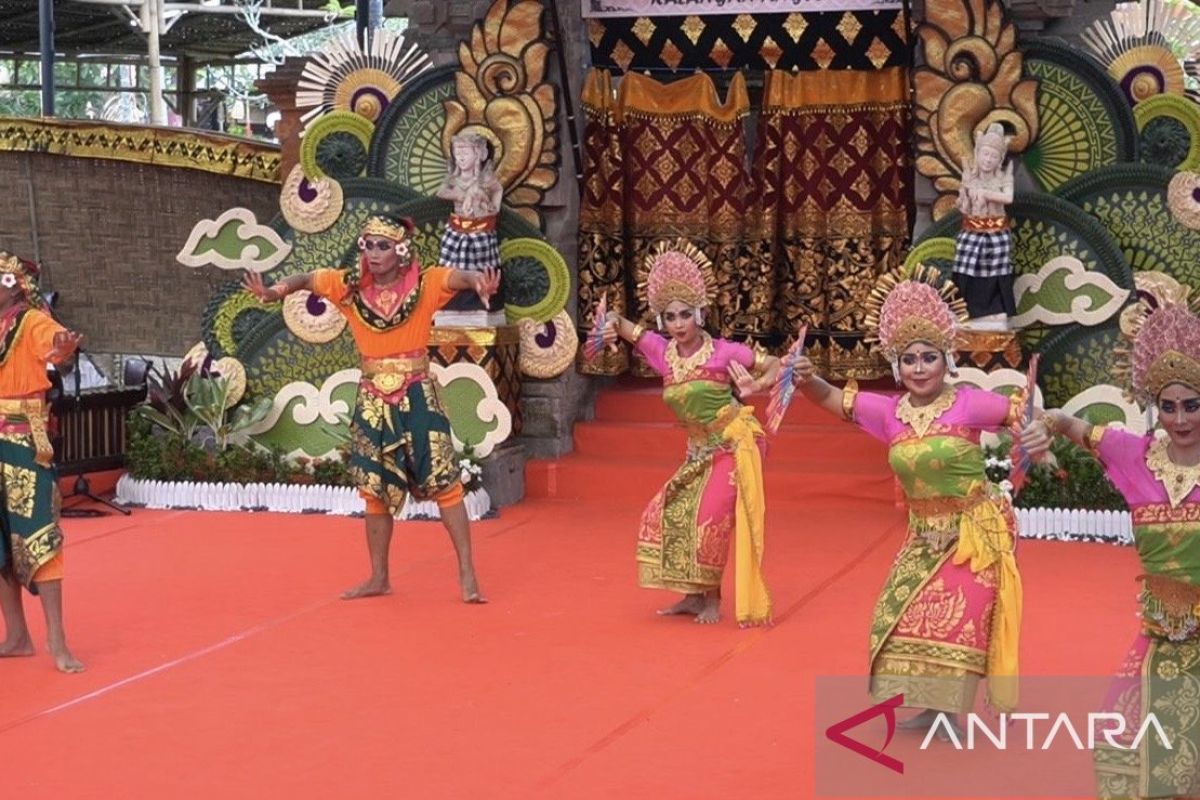
In the grand circle of the Angsoka stage at the Bali Arts Festival, the roar of applause from the audience blended with gazes of amazement directed towards the centre. At centre stage, a number of young artists with incomplete senses began to move their hands, while others synchronised their footsteps with the pounding beat of the gamelan. That afternoon at the Denpasar Cultural Park, physical limitations ceased to be a barrier. Through body movements that transcended physical bounds, they were not merely dancing; they were launching their souls, breaking through physical limitations to embrace true atma kerthi (purification of the soul). The 48th Bali Arts Festival provided a broader space for inclusivity, presenting more artists with disabilities who optimised feeling and spirit rather than forcing physical perfection. Approximately 120 students from 12 Special Schools (SLB) across Bali illustrated how this year’s theme of atma kerthi truly glorified the soul; the harmony of their movements completely hypnotised those around them. A teacher and arts supervisor at SLB Negeri 1 Bangli, Pande Nyoman Sunarta, recounted how six students trained over the past month until they successfully tackled the complexities of Balinese art with their agem and seledet—the stance and eye movements in Balinese dance. Initially, the teachers focused on teaching the students how to follow the tempo. This was not easy, as most of them are deaf and mute. Furthermore, for students with intellectual disabilities, their moods and emotions can change at certain times. To ensure the students delivered an optimal debut performance, rehearsals were held every morning. This journey also transformed their daily character; they eventually became accustomed to discipline, arriving at school 30 minutes early when asked to come at 8:00 a.m. WITA. This burning spirit led them to success, performing the Kembang Janger dance in pinkish-orange Balinese costumes. This popular traditional dance, which emerged in the 1930s, was performed in pairs, depicting the happy and cheerful social interactions of young people, as if conveying their own mood that afternoon. The message of atma kerthi was conveyed through how they embodied the performance, remaining focused on the teacher’s directions at the front to ensure their steps were on beat. A similar approach was taken by SLB Negeri 1 Badung, where patience was the fundamental key to the success of their 5-minute Tari Galang Bulan performance. Lelin, a teacher and arts supervisor at the special education unit, needed a full two weeks until the children truly mastered the choreography. When they successfully conquered that complexity, performing with limitations was no longer a challenge but a bridge for the students to showcase themselves and achieve.