
Breaking News! Oil Prices Hit US$120 per Barrel Again
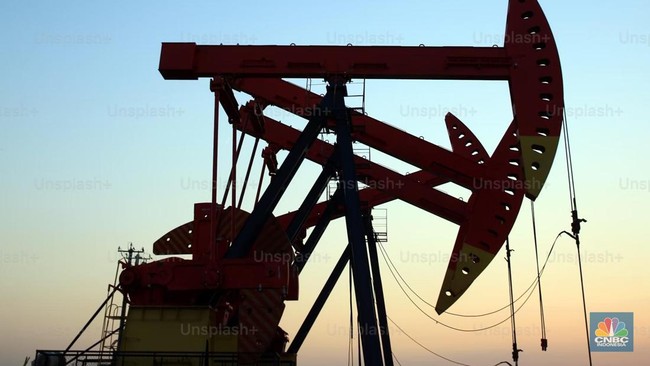
Jakarta, CNBC Indonesia - Oil prices surged this morning, with the main driver remaining the same: stalled global supply along the world’s most critical routes.
According to Refinitiv data as of Thursday (30/4/2026) at 09.30 WIB, benchmark oil prices jumped sharply. Brent stood at US$120.81 per barrel, while West Texas Intermediate (WTI) reached US$108.17 per barrel. This rise extends the rally that has been ongoing for nearly two weeks.
On a daily basis, the surge has been consistent. Brent rose from US$118.03 on 29 April and has skyrocketed nearly US$10 in just three days from US$111.26 on 28 April. Looking further back, since 17 April when it was around US$90.38, prices have jumped more than 30%. WTI has followed a similar pattern, from US$83.85 on 17 April to US$108.17 today.
The primary pressure stems from the conflict in the Middle East, which has yet to find a resolution. Negotiations regarding the war between the United States, Israel, and Iran remain deadlocked. This situation has led markets to price in supply disruptions that could last longer than initially anticipated.
The situation is becoming more sensitive because the main distribution route, the Strait of Hormuz, has not fully recovered. Iran is still restricting ship traffic, while the United States is tightening pressure on Iran’s exports. This route has long been the lifeline of global energy distribution, so any hindrance immediately impacts prices.
On the other hand, market players are also monitoring responses from producers. OPEC+ is reportedly set to increase production by only a limited amount, around 188,000 barrels per day. This addition is relatively small compared to the potential supply losses due to the conflict.
Internal dynamics are also heating up sentiment. The United Arab Emirates is scheduled to leave OPEC starting 1 May. This move could reduce the cartel’s ability to regulate market balance, though in the short term, the impact is not significant as production from Gulf countries still needs time to return to normal.