
Brazil's Rare Earth Minerals Threaten China's Dominance
The next major global projects for rare earth minerals will be located in Brazil, according to geologist Andrew Tunks, CEO of the Australian mining company Meteoric Resources. Tunks believes that while the timeline is uncertain, Brazil will eventually be able to compete with China.
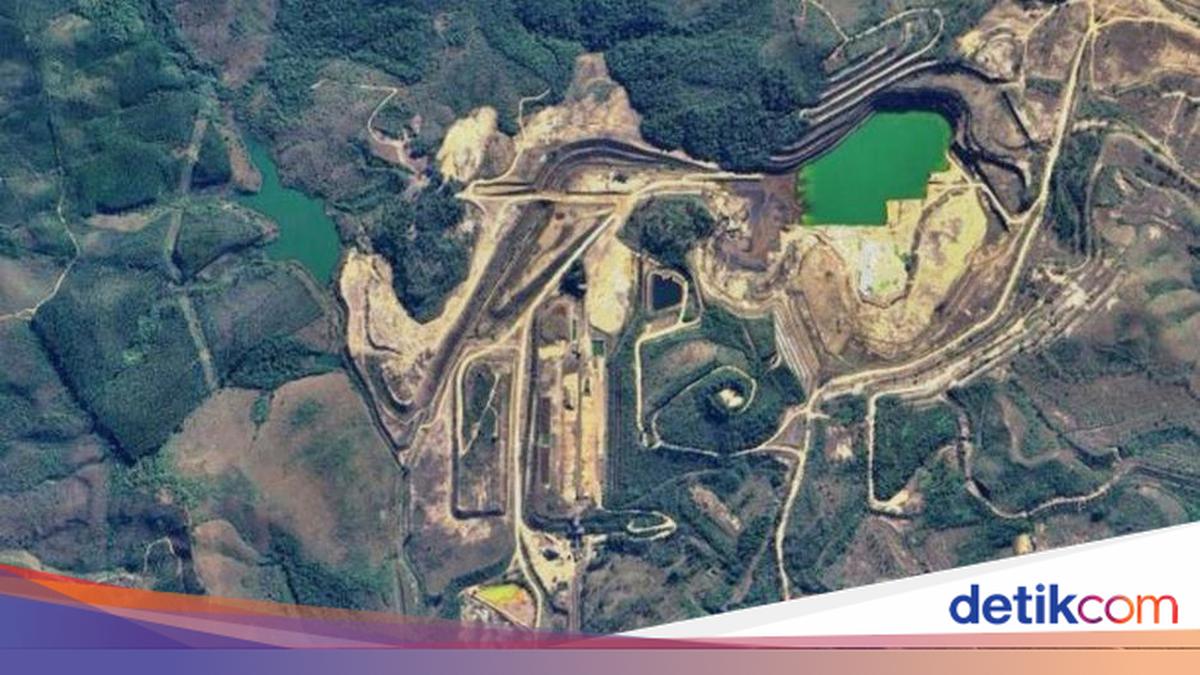
Meteoric is investing heavily in rare earth mining in Brazil. The Caldeira project, located in the state of Minas Gerais, is believed to be the world’s largest deposit of ionic clay, a type of rare earth mineral deposit. These deposits are crucial sources of ‘medium’ and ‘heavy’ rare earth elements, such as dysprosium and terbium, which are essential for high-performance magnets used in wind turbines and electric vehicles.
According to the International Energy Agency (IEA), demand for magnetic rare earth elements—including neodymium, praseodymium, dysprosium, and terbium—has doubled since 2015 and is projected to increase by another third by 2030. This surge is driven by increasing electrification and the rapid adoption of new energy technologies like electric vehicles and wind turbines. The IEA also notes that the rise of automation, robotics, and digital technologies will further drive the need for these minerals, which are vital for AI data centres and advanced robotics.
Brazil holds the world’s second-largest reserves of rare earth minerals after China, with an estimated 21 million tonnes, while China leads globally with 44 million tonnes. This global demand has triggered an explosion in mining permit applications at Brazil’s National Mining Agency (ANM). Currently, 2,758 projects are under consideration. In comparison, only slightly more than 250 rare earth mining applications were filed in Brazil between 1975 and 2020; however, between 2023 and 2024 alone, that number surged to 1,662.
This ‘new gold rush’ is also being felt in the stock market, with share prices of companies investing in Brazilian rare earth mining soaring. Over the past 12 months, shares of Meteoric (Australia), Resouro Strategic Metals (Canada), Appic Mineral Rare Earth and Uranium Corp (Canada), and USA Mineral Rare Earths (USA) have risen between 65% and 122%.
In April, USA Mineral Rare Earths acquired Brazil’s only active rare earth mine from the Brazilian company Serra Verde in Minacu, Goiás, for $2.8 billion. CEO Barbara Humpton highlighted the strategic importance of the Pela Ema mine, noting it is the only producer outside of Asia capable of supplying all four magnetic rare earth minerals on a large scale, supported by a 15-year supply agreement with several US government agencies.
While Germany is seeking to expand its partnership with Brazil in critical minerals and green industry, the Brazilian sector currently faces challenges in value addition. Unlike China, which controls over 90% of global rare earth refining capacity and 95% of permanent magnet production, Brazil has largely remained focused on exporting raw materials rather than domestic processing.
However, geological advantages favour Brazil. According to the Brazilian Geological Society (SBG), approximately 73% of the country’s deposits consist of ionic clay formations. Francisco Valdir Silveira, head of SBG, explained that these deposits are easier to mine because the parent granite rocks have undergone natural weathering over time. Furthermore, Andrew Tunks noted that the separation process requires significant electricity and water; his Brazilian mines utilise renewable energy and benefit from low electricity costs, providing a competitive edge over locations like Australia.