
Brazil Monitors Two Suspected Ebola Patients in São Paulo and Rio de Janeiro
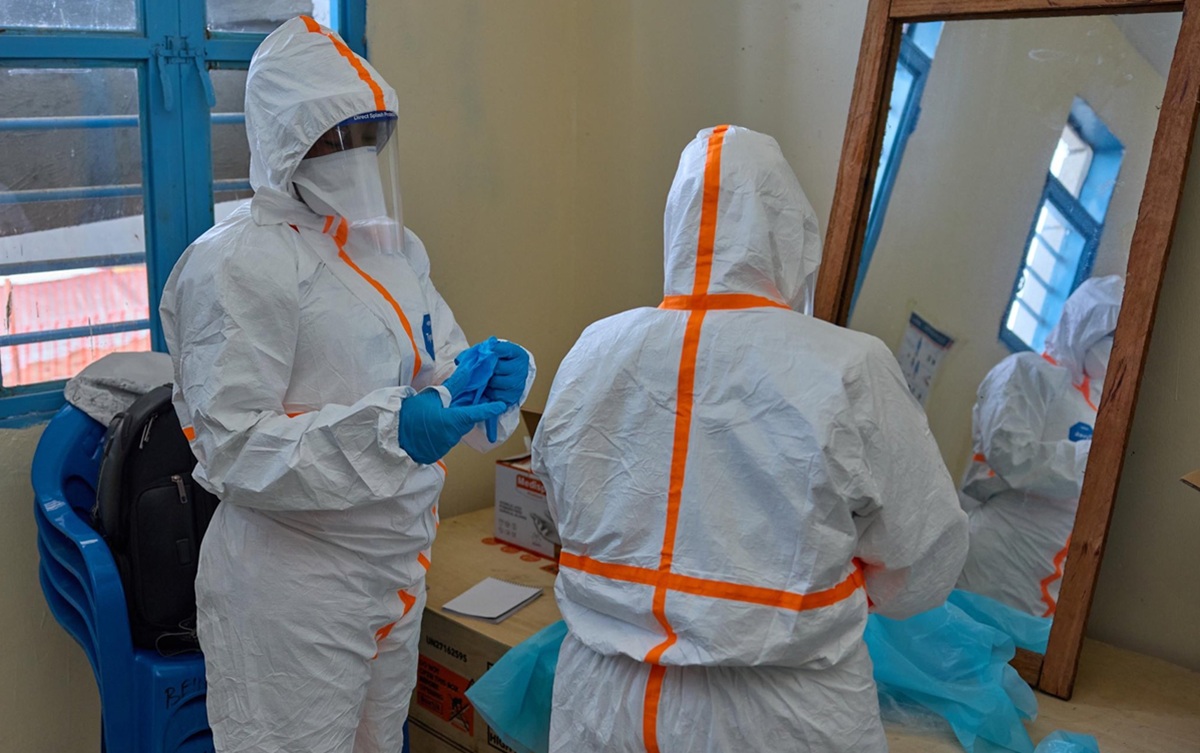
Health authorities in Brazil are closely monitoring two suspected Ebola patients. The individuals are currently in the country’s two largest cities, São Paulo and Rio de Janeiro.
The state government of São Paulo reported that the first patient, a 37-year-old man from the Democratic Republic of Congo (DRC), exhibited symptoms such as fever. Meanwhile, in Rio de Janeiro, health officials activated safety protocols after a Belgian man arriving from Uganda showed symptoms including cough, chills, and diarrhoea.
Laboratory test results for both patients are expected next week. If either or both test positive, it would mark the first Ebola case outside Africa since the latest outbreak began.
The current DRC outbreak has recorded over 1,000 suspected Ebola cases with at least 246 deaths. Uganda has reported nine confirmed cases and one fatality. This outbreak is caused by the rare Bundibugyo strain, which has no proven vaccine and a fatality rate of about one-third of infected patients.
Despite ongoing Ebola monitoring, both patients in Brazil have been diagnosed with other illnesses. The DRC national in São Paulo tested positive for meningitis and is in critical condition, while the Belgian in Rio tested positive for malaria. Authorities, however, have stated that co-infection with Ebola remains possible.
Ebola typically infects animals, particularly fruit bats, and spreads to humans through contact with or consumption of infected animals. Human-to-human transmission occurs via direct contact with bodily fluids such as sweat, saliva, blood, semen, faeces, urine, and vomit.
Medical charity Médecins Sans Frontières (MSF) has warned of a “concerning situation” due to the virus’s rapid spread. WHO Director-General Dr Tedros Adhanom Ghebreyesus is personally overseeing response efforts in Ituri Province, DRC, the hardest-hit area.
Despite potential cases outside Africa, the WHO has repeatedly stressed that the global risk of transmission remains very low. (BBC/Z-2)