
Brawijaya University Researcher: Crackdown on Illegal Cigarettes Must Be Completed
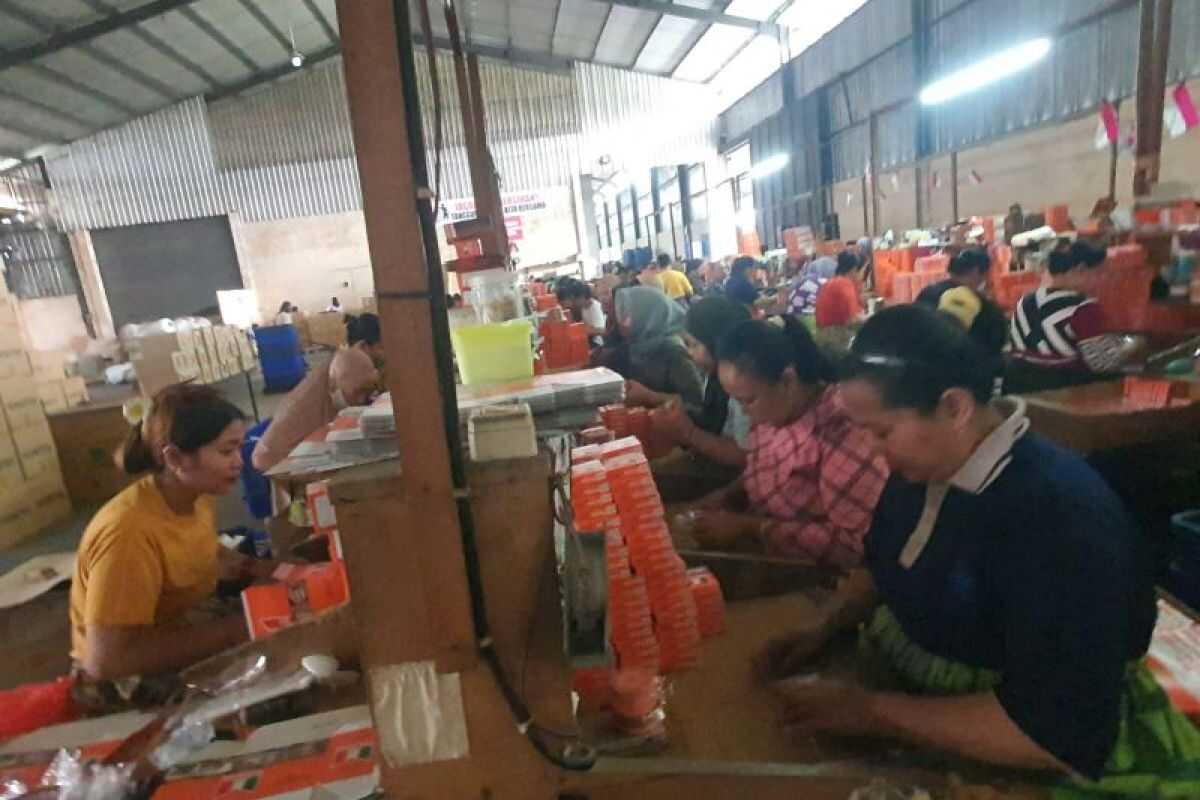
Malang (ANTARA) — Senior Researcher at the Centre for Economic Policy Research, Faculty of Economics and Business, Brawijaya University (UB), Joko Budi Santoso, has projected that if enforcement against illegal cigarettes is not completed, the tobacco products industry (IHT) sector will remain under pressure.
“Production declines will continue, with legal factory cigarette production in 2025 reaching 307.8 billion sticks, a fall of approximately 3 per cent from 2024, whilst excise revenue will only reach 92.10 per cent of target, or roughly Rp211.9 trillion against a target of Rp230.09 trillion in 2025,” said Joko Budi in Malang, East Java, on Sunday.
He stated that the production decline has occurred over the past three years due to the onslaught of illegal cigarettes and excessively burdensome excise policies, whilst public purchasing power has remained relatively stagnant.
He assessed that the plan to add new tiers to absorb illegal cigarettes into the legal framework as a means of addressing lost state revenue from rampant illegal cigarettes is misguided, as the projected revenue from such a policy would be insignificant.
“This policy would instead damage the business climate in the IHT sector and disregard cigarette manufacturers that have already complied with taxation and excise regulations,” he said.
Instead, he continued, enforcement against illegal cigarettes should be strengthened through greater allocation of law enforcement resources, including increased budget allocation for illegal cigarette enforcement and a revision of the tobacco excise revenue-sharing fund (DBHCHT) usage from 10 per cent to at least double that figure, which could be incorporated into a revision of Finance Minister Regulation (PMK) 72/2024.
Furthermore, the seriousness of enforcement against illegal cigarettes should be bolstered through synergy among law enforcement agencies, as customs teams are too limited to cover the distribution areas of illegal cigarettes. The key, he said, is penetrating production areas and dismantling the producers entirely.
For this reason, Joko stated, market protection by the government is necessary so that excise revenue can recover.
The IHT sector, he noted, plays a strategic role not only in state revenue but also in employment absorption and various IHT linkages such as tobacco and clove farming, micro, small and medium enterprises (MSMEs), and various business operators across the IHT supply chain. Approximately 6 to 7 million business operators and employees in the sector could be at risk.
According to Joko, government policy aimed at increasing state revenue — including the effort to add excise tiers — should be reconsidered and studied more thoroughly, with various stakeholders, particularly cigarette manufacturers, invited to formulate more appropriate policies for the fairness and sustainability of the IHT sector.
“The addition of excise tiers must not end up damaging the business climate of the IHT sector whilst having no significant impact on state revenue,” he said.