
BRAN Focuses on Land Status and Fishermen’s Protection in Giant Sea Wall Project for Java’s North Coast
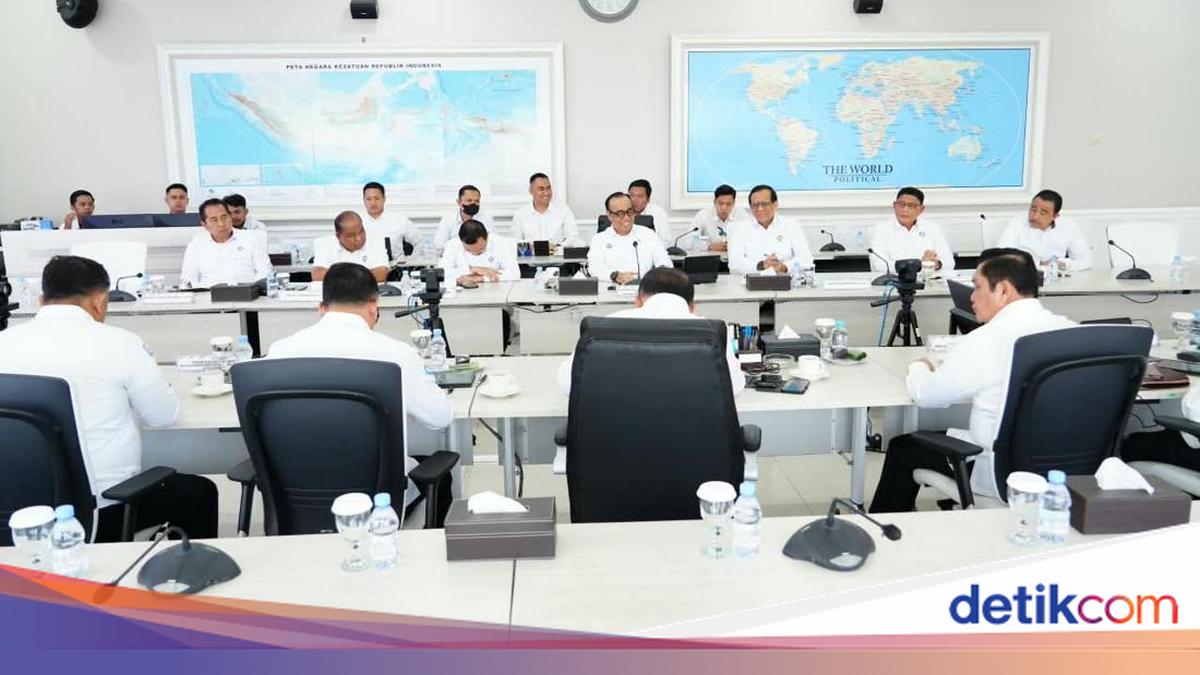
The National Agrarian Reform Agency (BRAN), the Ministry of Marine Affairs and Fisheries (KKP) and the North Coast of Java Management Authority (BOPPJ) discussed plans to develop the coastal region of Java’s North Coast. BRAN stressed that the project must deliver more than sea walls, infrastructure and new development areas: secure land status, protection for fishermen, the sustainability of fish-farming businesses and the rights of long-standing coastal communities must also be key considerations.
“Coastal development must be prepared comprehensively. Infrastructure projects must not create land disputes or new conflicts in communities. BRAN will therefore strengthen coordination with KKP and BOPPJ so that potential conflicts can be identified and addressed early,” BRAN chief Dedi Prasetyo said at the Ministry of Marine Affairs and Fisheries in Jakarta on Monday (2 November 2026).
Dedi said coordination on asset management, the prevention of agrarian conflicts and the alignment of coastal development plans were essential first steps that needed careful preparation. At a meeting earlier that day, he discussed the issues with Deputy Minister for Marine Affairs and Fisheries and BOPPJ chief Didit Herdiawan.
The Giant Sea Wall is planned to stretch about 575 kilometres along Java’s North Coast, covering five provinces, 20 regencies, five cities and 128 districts. The coastal and sea walls, along with mangrove breakwaters, are divided into two work areas and 15 segments. They are intended to address serious coastal problems, including land subsidence, tidal flooding, climate change and threats to settlements and local economic activity.
“What we must ensure is that development benefits the community. Fishermen must remain a priority, access to livelihoods must be taken into account, and any potential conflict must be communicated promptly. We want the development to proceed while people’s rights are protected,” Dedi said.
Didit said aligning the understanding of BOPPJ, BRAN and KKP would support appropriate strategies for spatial planning, land-tenure certainty and social integration. This, he added, would help the Giant Sea Wall project meet its target schedule.
Didit proposed that BRAN and BOPPJ sign a memorandum of understanding (MoU). He said the outcome of the meeting would be reported to the Minister for Marine Affairs and Fisheries so the proposed MoU could be followed up and developed into a cooperation agreement.
According to BOPPJ, 13 certificates for land located in Jakarta’s sea area still require further verification, including cross-checking land records and geospatial information with the Geospatial Information Agency (BIG).
The meeting also discussed the 2025–2028 North Coast Fishpond Revitalisation programme. The first phase in West Java covers about 14,090 hectares. Land issues and programme implementation in Indramayu and Karawang regencies require coordination between institutions.
The development of the Merah Putih Fishermen’s Villages (KNMP) programme was also discussed, with land status needing to be clarified before construction begins. KKP Director General of Capture Fisheries Lotharia Latif said the programme was being carried out through three task forces covering surveys, construction and operations.
“KKP is also developing fishing ports integrated with an integrated-port and fish-market concept to support fisheries activity,” Lotharia said.
BRAN chief adviser Hary Sudwijanto said the sea-fence issue that made headlines two years ago should serve as a lesson in planning. He said potential conflicts and the interests of coastal communities needed to be assessed comprehensively.
BOPPJ Deputy Head III Fadil Imran said next year’s construction plan would include a groundbreaking offshore from Bekasi, particularly in Babelan. Preparations require coordination to anticipate land issues and potential risks on the ground.