
BRAN Chief Meets Coordinating Minister AHY to Discuss Electricity Access Hurdles for 20,000 Pasuruan Residents
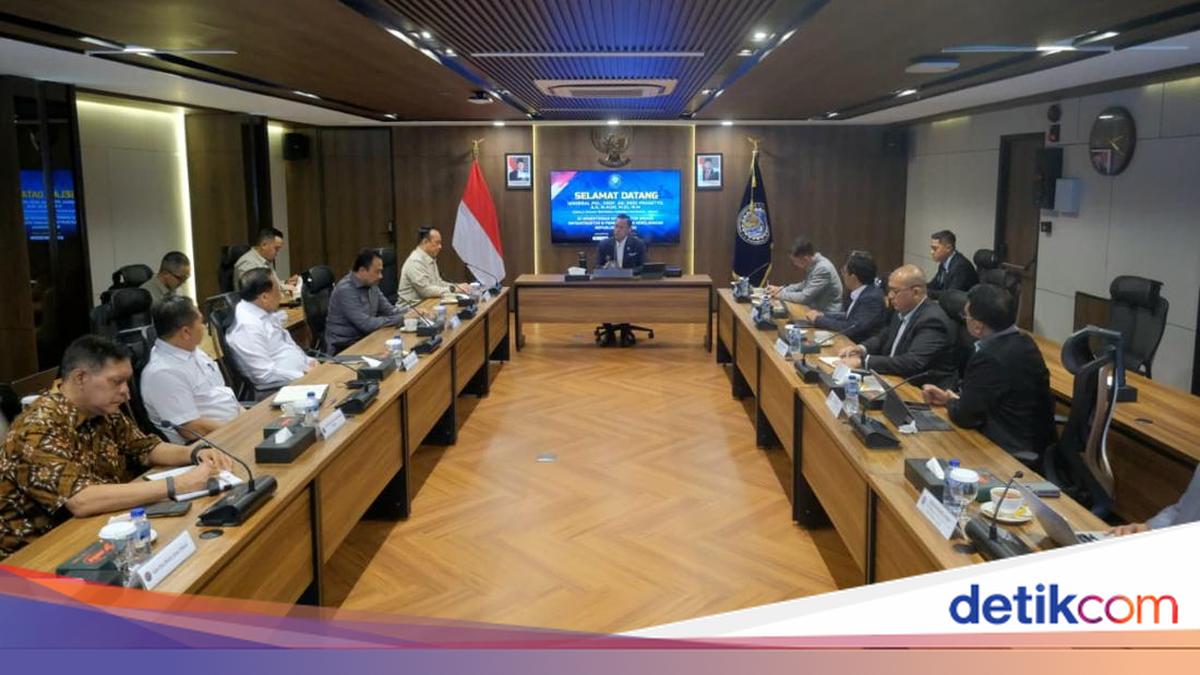
Coordinating Minister for Infrastructure and Regional Development Agus Harimurti Yudhoyono (AHY) met with National Agrarian Reform Agency (BRAN) chief Dedi Prasetyo. They discussed strengthening agrarian reform and the difficulties faced by around 20,000 residents in Pasuruan in obtaining electricity connections because of problems with land-title documents.
AHY and Dedi met in Jakarta on Tuesday (13 October 2026). Their discussion covered stronger cross-sector cooperation to accelerate agrarian reform, resolve land disputes and make land more productive for the community.
One issue of concern was a report that around 20,000 people in Pasuruan were facing obstacles to getting electricity connections because of problems with their land-title documents.
BRAN said that addressing the issue would require verification of land status and coordination among government agencies. These steps are needed to ensure that any solution has a clear legal basis.
At the meeting, Dedi also outlined BRAN’s preparations for a One Agrarian Data System. The system will integrate land and asset information held by ministries, agencies and state-owned enterprises (SOEs).
The integrated data will provide a basis for mapping land potential, identifying agrarian issues and setting priorities for land use.
“Agrarian reform must deliver tangible benefits for the people. Accurate data and clear land status are the foundation for determining land use in accordance with its designated purpose, supporting food security, and boosting productivity and public welfare,” Dedi said.
Dedi said agrarian reform must not stop at asset management and providing legal certainty over land. Land management must also be linked to infrastructure development and better access to economic opportunities for the community.
In his view, land that has been formally organised needs infrastructure support and economic opportunities so it can be used productively and sustainably.
“Properly managed land needs access and infrastructure so that people can benefit from it. Cross-sector cooperation is therefore needed to align policies, clarify the division of responsibilities, and ensure agrarian reform is implemented in a measurable and accountable way,” he stressed.
In addition to the issue in Pasuruan, BRAN is preparing a comprehensive map of agrarian conflicts. This will cover locations, land status, parties involved and the responsibilities of the relevant agencies.
BRAN is also preparing an agrarian complaints mechanism to collect reports from the public. The complaints will subsequently be coordinated with ministries, agencies and local governments for follow-up.
BRAN is also finalising its organisational structure and working procedures, including coordination mechanisms with ministries, agencies, local governments and managers of state assets.
Dedi stressed that agrarian reform must link asset management with access arrangements. This will allow legal certainty over land to go hand in hand with infrastructure development and improvements in the community’s economic productivity.
“The success of agrarian reform must be measured by tangible progress in land management, resolving agrarian issues and delivering benefits that people genuinely feel,” he concluded.