
BPS Updates Business Classification Codes to Accommodate Creative Economy and Modern Technology
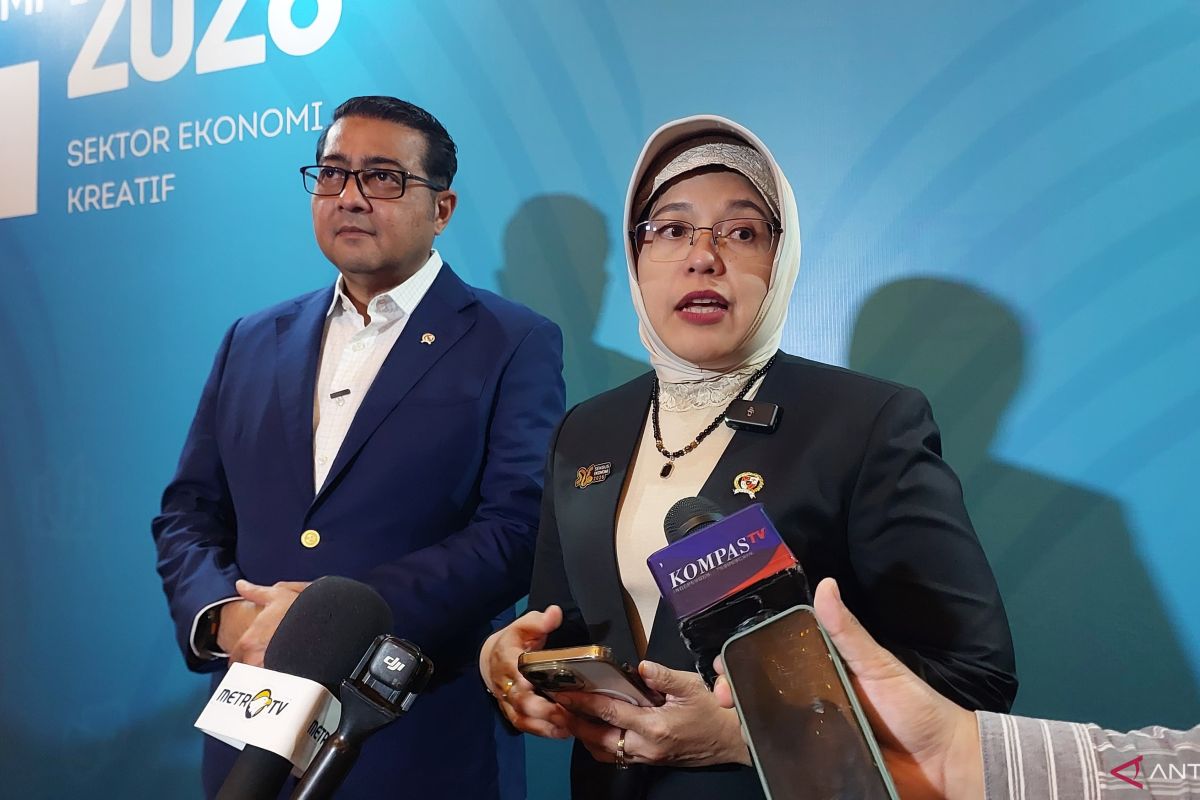
The Head of the Indonesian Central Statistics Agency (BPS), Amalia Adininggar Widyasanti, stated that the Indonesian Standard Industrial Classification (KBLI) for the creative economy sector has been adjusted for 2025 to reflect massive technological developments and the expanding scope of the creative economy.
“This means that activities which previously struggled to obtain a definition and a KBLI code now have an explicit and clear place, ensuring that your businesses have a clear regulatory home,” Amelia said during a press conference for the 2026 Economic Census of the Creative Economy Sector in Jakarta on Monday.
She noted that the creative economy has significantly altered transaction behaviours within economic activities. The sale of creative products can now reach a wider audience through marketplaces and social media, while the use of software and artificial intelligence has further simplified the workflows of creative entrepreneurs.
Amelia explained that these changes in the production and distribution of creative products necessitated the 2025 KBLI update. Specifically, main group 59, which covers film, video, and television programme production, as well as sound recording and music publishing, has been adjusted in accordance with current standards under BPS Regulation Number 7 of 2025.
“Main group 59 accommodates content creators and modern production, where podcasts now have their own specific KBLI codes within sub-groups 5911 and 5920,” Amelia added.
She further stated that the 2025 KBLI update will assist relevant ministries in establishing policy interventions, ensuring that the activities of creative economy players are accurately recorded to support national economic growth.
Amelia noted that the current recording of creative economy activities is based on Presidential Regulation (Perpres) Number 142 of 2018 regarding the National Creative Economy Development Master Plan (Rindekraf) for the 2018–2025 period.
Under the previous KBLI, the creative economy sector only covered five codes, including visual communication design and photography activities. Under the new classification, the KBLI will encompass 16 new field codes, including sound recording activities, music publishing, cultural parks, public relations activities, and various performing arts activities.