
BPS to Map Indonesia's Economy by Surveying All Households and Businesses
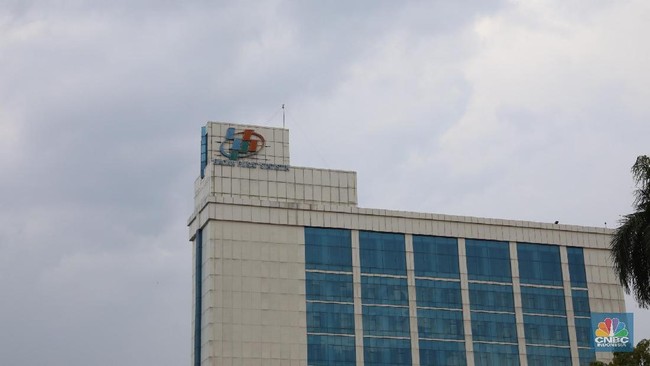
The 2026 Economic Census is designed to produce the most current and complete map of the Indonesian economy. To achieve this, census officers will survey all households and businesses across various regions in Indonesia. Every household and business will be recorded using the same methods and procedures to ensure all economic activity is captured.
Therefore, the Economic Census will sweep all areas to ensure no economic activity is missed. Census officers will visit every household and place of business throughout Indonesia, from shopping areas, industrial estates, markets, and business centres to offices, apartments, housing complexes, and residential areas.
‘The data collection is carried out to capture the pulse of the Indonesian economy as a whole, from economic activities with physical business premises and non-physical business premises to the economic conditions of households,’ stated the Central Statistics Agency (BPS) in an official release on Tuesday (4/8/2026).
Furthermore, the implementation of the Economic Census demonstrates that all respondents are surveyed using the same methods and procedures. As the Economic Census will be conducted in various regions, a number of governors, regents, and mayors have received census officers and provided answers just like any other respondent. Every household and business is surveyed to produce the most current economic map, without distinction. This is especially important as, over the past decade, changes in how people do business mean many economic activities no longer only take place in shops, offices, or factories.
Digital-based businesses run from home, various new economic activities that have developed after the pandemic, and the use of virtual offices are also important parts of the Indonesian economy that must be recorded in the most current and complete economic map.
‘The 2026 Economic Census is the most complete economic census compared to previous ones, because it records not only businesses but also households,’ concluded BPS.