
BPS: Self-medication rates drop to 78.43 per cent in 2025
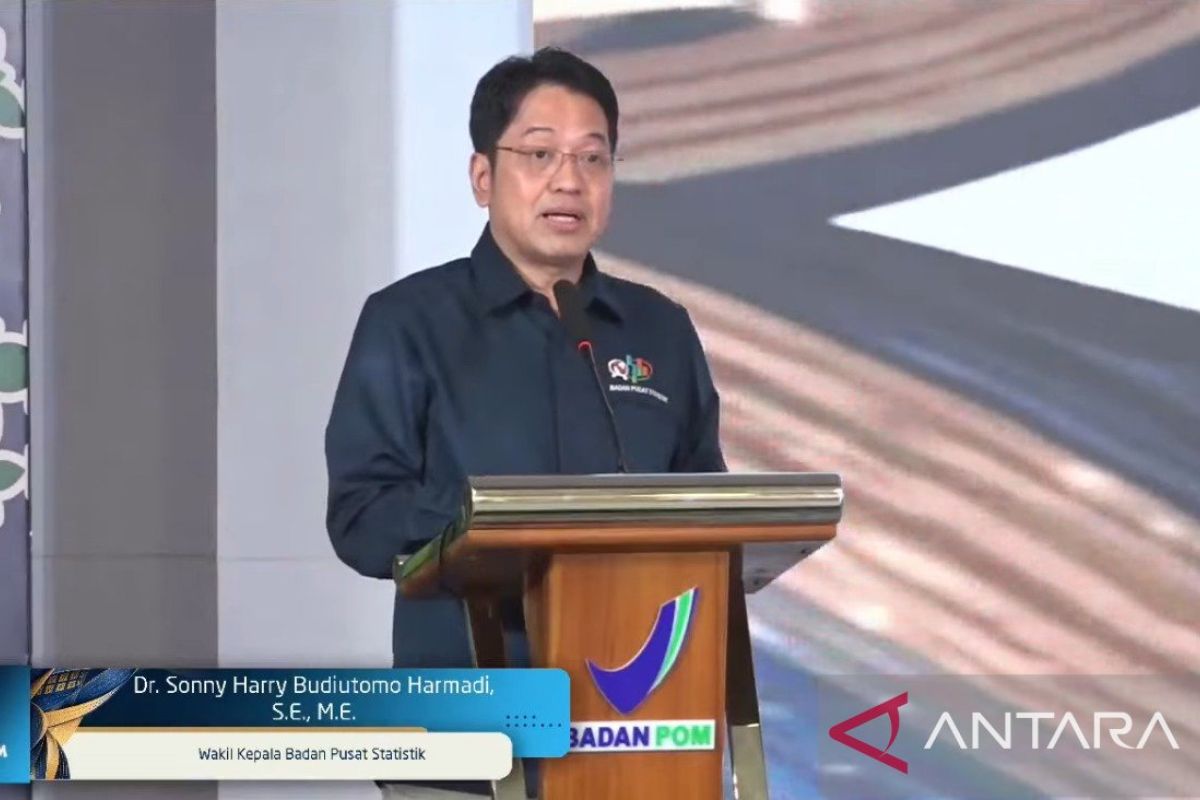
Statistics Indonesia (BPS) has stated that the number of people choosing to self-medicate has decreased from 84.23 per cent in 2021 to 78.43 per cent in 2025, indicating an increase in public confidence in healthcare services.
Deputy Head of BPS, Sonny Harry Budiutomo Harmadi, noted that the decline in morbidity rates and unmet needs also demonstrates improved access to healthcare services. In 2021, the morbidity rate was 14.64 per cent and unmet needs stood at 5.44 per cent, whereas in 2025, the morbidity rate fell to 12.66 per cent and unmet needs to 5.32 per cent.
“However, the decrease in morbidity and improved access to healthcare services does not automatically mean that every health decision made by the public is correct,” Sonny said in Jakarta on Monday.
He explained that almost 20 per cent of monthly household expenditure is spent on food, supplemented by healthcare expenses for medicines purchased independently. “Consequently, when ill, 47 per cent of Indonesians choose to purchase medicines themselves rather than following a prescription,” he said.
The decision to purchase medicines and food independently indicates that the role of the Indonesian Food and Drug Authority (BPOM) is becoming increasingly significant in ensuring the safety, quality, and efficacy of products.
Therefore, he stated, BPOM must ensure that the public understands which products are legal and certified, how to use them, the risks of improper consumption, and how to distinguish between accurate and inaccurate health information.
“This is where data and data science play an increasingly vital role. Data does not only help us understand what is happening, but also helps us understand how and where such behaviours occur and which behavioural patterns require our attention,” he added.
His office is committed to assisting BPOM in building a robust data ecosystem to ensure that policies are implemented based on science, so that the impact can be more widely felt by the community.
“We assist in the preparation of sampling methodologies and survey sampling conducted by BPOM, such as public awareness surveys regarding pharmaceutical preparations and processed foods,” he concluded.