
BPS Reveals Rising Rice Prices Across Various Indonesian Regions
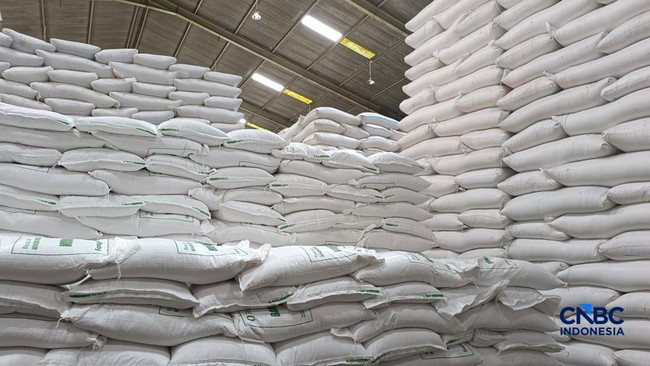
The Indonesian Central Statistics Agency (BPS) has revealed that rising rice prices in various regions are being driven by thinning stocks and increased prices from distributors. This situation has led to substantial price hikes in several areas from April through to the second week of May 2026.
Head of BPS, Amalia Adininggar Widyasanti, stated that the national average price for rice currently stands at Rp15,325 per kilogram (kg). BPS also noted that 111 regencies and cities have experienced increases in rice prices. Speaking at the Inflation Control Coordination Meeting of the Ministry of Home Affairs on Monday (18/5/2026), Amalia confirmed the widespread nature of these price hikes, citing regions such as Mahakam Ulu, Teluk Bintuni, and Paser as being affected.
BPS has mapped several factors triggering these price increases. According to the agency, the rise is not only caused by dwindling stocks but also by price hikes at the distributor level and limited local rice supplies in the market. For instance, in Denpasar, Bali, monthly rice inflation in April 2026 reached 2.76%, contributing 0.11% to the overall inflation rate. Amalia explained that the price increase in Denpasar was driven by distributors following the rising costs of paddy and rice in Bali’s production centres, including Jembrana, Badung, Gianyar, and Bangli.
In Kapuas Regency, Central Kalimantan, the price hike is attributed to thinning stocks as the harvest season has not yet arrived. BPS recorded monthly rice inflation in the area at 6.54%, with an inflation contribution of 0.37%. Data shows that market supply remains limited because many regions have not yet entered the harvest period, resulting in lower availability and higher prices.
A similar phenomenon is occurring in other areas, such as Palangkaraya, Tanah Laut, and Hulu Sungai Tengah. In these locations, limited local supply due to sub-optimal harvests and the outflow of paddy to other regions has reduced market supply. In some areas, prices are also being influenced by the rising cost of rice being transported from Java to meet the shortage of local stocks.
Despite these challenges, BPS expects rice stock conditions to improve between May and June 2026, coinciding with the upcoming harvest season, based on paddy production survey results.