
BPS Reveals Papua Highland Regions Lack Proper Sanitation and Electricity
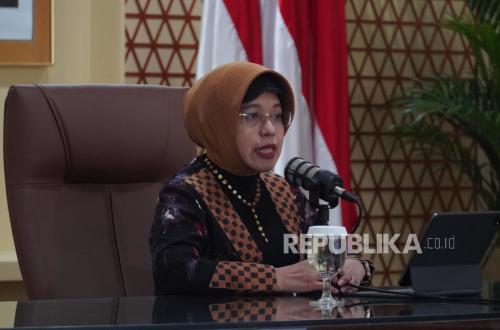
Statistics Indonesia (BPS) has revealed that more than 30 percent of total households in Papua Pegunungan do not have adequate sanitation. The practice of open defecation also remains a habit.
“If we break down the statistics we have obtained, there are still households practising open defecation in several large provinces, including Papua Pegunungan, Papua Tengah, and Papua Selatan. After that, the gap is far from Central Sulawesi (7.76 percent), West Sulawesi (5.30 percent), and Maluku (5.26 percent). In Papua Pegunungan, one third of households practise open defecation,” he said during the release of the 2026 Housing Statistics Publication on Thursday (13/8/2026).
In addition to sanitation, access to electricity remains a major challenge. Amalia explained the National Socio-Economic Survey (Susenas), which includes the challenge of adequate sanitation access in 2026 and electricity access as a support for liveable housing.
Access to adequate sanitation is one of the four components of liveable housing. BPS recorded that as of March 2026, national access to adequate sanitation reached 86.73 percent, up 1.36 basis points compared to March 2025 at 85.37 percent.
Although it has increased nationally, it needs to be examined more deeply by province. The province with the highest percentage of households with access to adequate sanitation in Indonesia is Bali Province, reaching 98.60 percent, followed by the Special Region of Yogyakarta (DIY) at 97.57 percent, and the Bangka Belitung Islands at 96.77 percent.
Meanwhile, the province with the highest percentage of households practising open defecation in Indonesia is Papua Pegunungan at 31.61 percent. It is followed by Papua Tengah at 18.66 percent, and Papua Selatan at 15.01 percent.
In assessing access to adequate sanitation, BPS evaluates the availability of defecation facilities, such as toilets and final faecal disposal sites. For toilets, those considered adequate are of the goose-neck type. Meanwhile, final faecal disposal sites include septic tanks, Wastewater Treatment Plants (IPAL), or ground pits (in rural areas).