
BPS Reveals Minimal Impact of Non-Subsidised Fuel Price Hike on Inflation, Here's the Explanation
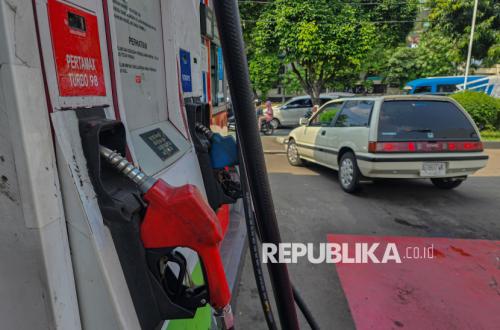
REPUBLIKA.CO.ID, JAKARTA – The Central Statistics Agency (BPS) has stated that the increase in the price of non-subsidised fuel oil (BBM) does not significantly affect the inflation rate. However, overall, the transportation sector is the largest contributor to inflation in April 2026.
“The transportation group is the main contributor to April 2026 inflation, primarily driven by the rise in air transport fares, one of which is caused by the increase in avtur and petrol prices, particularly certain types of non-subsidised petrol. Nevertheless, because this (non-subsidised BBM price) has a small weight, its impact on inflation is not that great,” explained Deputy for Distribution and Services Statistics at BPS, Ateng Hartono, during a press conference at the BPS Building on Monday (4/5/2026).
Ateng explained that overall, the passenger transport services group is indeed experiencing inflation due to fares returning to normal, after previously experiencing deflation due to government policies in the form of an economic stimulus package in the first quarter of 2026. The stimulus package included incentives in the transportation sector during the Ramadan and Eid period.
He emphasised that in inflation calculations, what BPS records is the change in transport fares, not the change in fuel prices. This means BPS records changes in land transport fares, not non-subsidised BBM prices. The same applies to the increase in avtur prices, where what is recorded is the change in air transport fares, not the avtur price itself.
“In inflation, we record air transport fares. Therefore, the contribution of the air transport fare commodity to inflation comes from adjustments to air transport fares, which are influenced by various factors at airlines, for example, changes in operational costs. This includes avtur prices, but many other factors affect it,” he clarified.
BPS recorded Indonesia’s monthly inflation in April 2026 at 0.13% (mtm), while annual inflation was 2.42% (yoy).
In April 2026, the transportation group experienced inflation of 0.99% with a contribution to inflation of 0.12%. The inflation was driven by the rise in air transport fares and petrol prices, in line with the increasing avtur and certain types of non-subsidised BBM prices. Meanwhile, intercity transport fares experienced deflation in April 2026.
In detail, air transport fares in the transportation group experienced inflation of 15.25% in April 2026, with a contribution to transportation group inflation of 0.89% and to general inflation of 0.11%.
Meanwhile, petrol was recorded to have inflation of 0.34%, with a contribution to transportation group inflation of 0.13% and to general inflation of 0.02%. As for intercity transport fares, they experienced deflation of 10.01%, with a contribution to the transportation group of 0.21% and to general inflation of 0.03%.