
BPS Interviews Sri Sultan for 2026 Economic Census
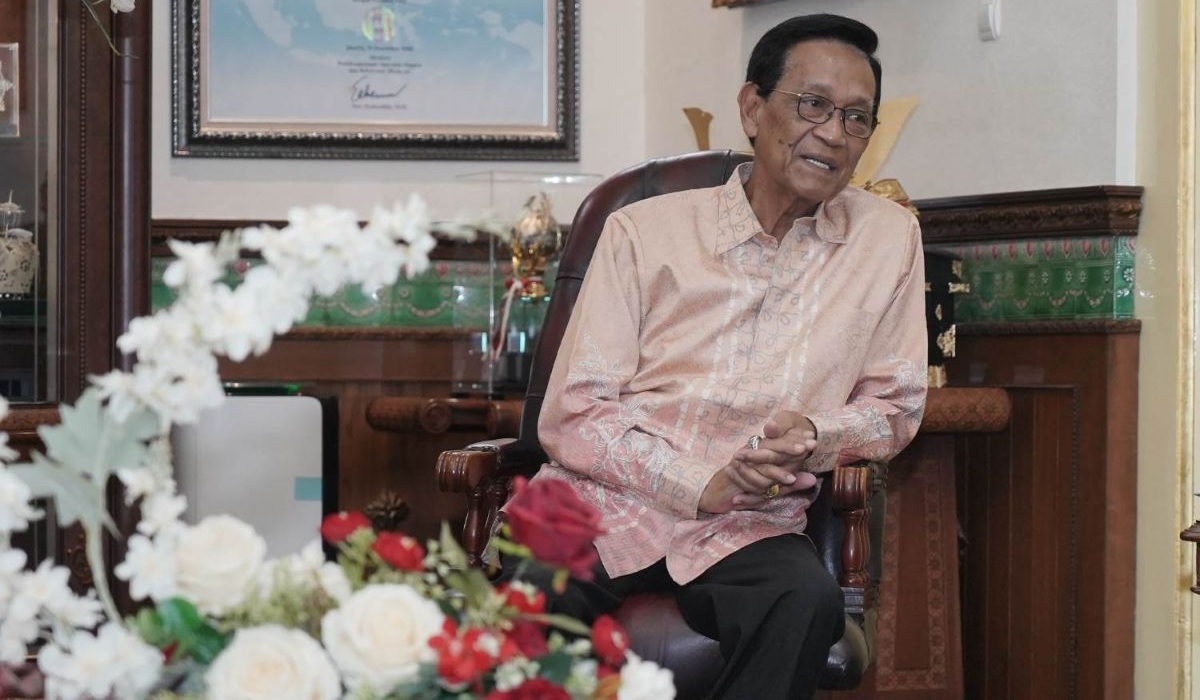
The Governor of the Special Region of Yogyakarta (DIY), Sri Sultan HB X, has received officials from the Central Bureau of Statistics (BPS) and acted as a respondent for the 2026 Economic Census (SE2026). The Acting Head of BPS DIY, Endang Tri Wahyuningsih, expressed appreciation for the Sultan’s openness in providing data.
According to Endang, the Sultan is paying significant attention to DIY’s leading sectors—including education, tourism, services, the creative economy, and MSMEs—to ensure they can be precisely mapped through this census. The Sultan also urged the people of DIY to welcome census officers and provide accurate data, noting that all information is guaranteed to remain confidential.
Addressing public concerns, Endang emphasised that all respondent information is protected under Law Number 16 of 1997 concerning Statistics. The collected data is used purely for development planning and statistical purposes, rather than for taxation or law enforcement.
Since commencing on 15 June, the progress of the SE2026 data collection in DIY has reached approximately 9 per cent. A total of 4,082 census officers have been deployed across all regencies and cities until 31 August 2026.
Recognising challenges regarding uneven information distribution, BPS DIY is strengthening its socialisation efforts by engaging local governments and community leaders, such as neighbourhood heads (RT) and village officials. The involvement of Sri Sultan, as a central figure, is expected to build public trust and reduce scepticism among business owners.
To anticipate field and cyber risks, BPS is implementing two primary preventive measures: first, every officer must wear official attributes, including a vest and identification, and carry an official assignment letter; second, data collection is conducted using digital devices integrated directly with central servers, equipped with early anomaly detection systems to ensure data security.
The 2026 Economic Census is a massive decennial agenda designed to capture macro-economic transformations, including the rapid growth of the digital economy. Through the example set by the Keraton, the community and business actors in DIY are encouraged to welcome census officers to help create more precise, adaptive, and targeted future policies.
Sri Sultan’s active participation serves as a strong symbol of the DIY Regional Government’s support for providing high-quality economic data. Accurate data is considered a crucial foundation for formulating regional and national development directions for the next decade.