
BPS Head Guarantees 2026 Economic Census is Unrelated to Tax Collection
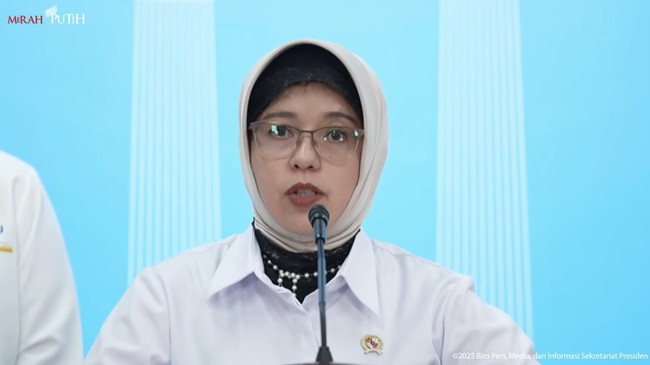
The Head of the Indonesian Central Statistics Agency (BPS), Amalia Adininggar Widyasanti, has urged the Indonesian public to participate in the 2026 Economic Census currently being conducted by the BPS.
She stated that the BPS will maintain the confidentiality of business data obtained from the 2026 Economic Census. According to her, this census is not being conducted as a tool for the government to pursue tax collection from the public.
“For those who have not yet been censured, please participate in the census. Do not worry, we will protect the confidentiality of the data and we guarantee that this has no connection to taxes,” said Amalia during the 2026 Economic Census event at the MPR Chairman’s Official Residence, Jakarta, on Sunday (30/08/2026).
Consequently, Amalia, commonly known as Winny, has opened opportunities for the public to independently complete census data online when visited by BPS census officers.
“For members of the public who wish to fill it out independently, we have also prepared an online questionnaire. The link can be requested from the officers who visit,” Amalia explained.
As is known, the BPS officially commenced field data collection for the 2026 Economic Census (SE2026) on Monday, 15 June 2026.
The data collection is being carried out simultaneously across all regions of Indonesia and will continue until 31 August 2026.
Through this activity, the BPS is recording all business actors, ranging from micro and small enterprises to medium and large enterprises, including businesses that utilise digital platforms.
The 2026 Economic Census is the fifth economic census organised by the BPS since it was first conducted in 1986.
This activity is part of the mandate of the Statistics Law to provide comprehensive baseline data regarding the structure and characteristics of the Indonesian economy.
The resulting data will serve as a vital foundation for development planning and the formulation of both national and regional economic policies.