
BPS Explains Discrepancy Between World Bank and Indonesian Poverty Line Figures
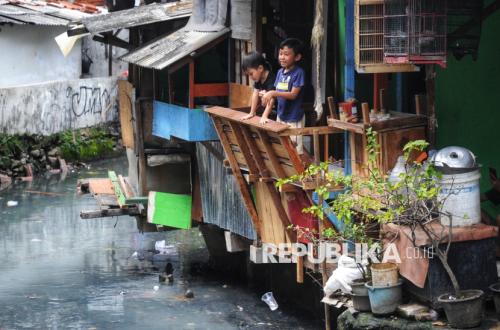
The Indonesian Central Statistics Agency (BPS) has provided an explanation regarding the difference between the Indonesian poverty line figures released by the World Bank and BPS poverty data. The Deputy for Social Statistics at BPS, M. Nashrul Wajdi, stated in an official briefing in Jakarta on Wednesday (2/9/2026) that the figures presented by the World Bank are not calculated based on Indonesia’s national poverty line.
In its latest release, the World Bank stated that 64.2 per cent of the Indonesian population lives below the poverty line. This figure originates from the April 2026 edition of the Macro Poverty Outlook and represents a projection for 2026, using a poverty line of 8.30 US dollars per capita per day based on 2021 Purchasing Power Parity (PPP).
In contrast, BPS recorded Indonesia’s poverty rate as 8.07 per cent as of March 2026, representing approximately 22.93 million people.
He emphasised that these two figures cannot be directly compared, as they are compiled using different poverty standards and are intended for different purposes.
“The 64.2 per cent figure is an estimate of the Indonesian population whose expenditure falls below 8.30 US dollars per capita per day according to the World Bank. This poverty line is calculated based on standards set by the World Bank, not the national poverty line used in Indonesia. The value is set based on the poverty standards commonly used for countries in the upper-middle-income group and is used primarily to compare conditions between countries,” said Nashrul.
He explained that the World Bank utilises several international poverty lines to compare welfare conditions across nations. In its latest update, the World Bank uses a 3 US dollar per capita per day line to measure extreme poverty, 4.20 US dollars for lower-middle-income countries, and 8.30 US dollars for upper-middle-income countries (UMIC).
Furthermore, the 8.30 US dollar figure is not calculated using the prevailing Rupiah to US Dollar exchange rate in the market, but rather uses PPP, which accounts for differences in purchasing power between countries.
BPS noted that the 64.2 per cent poverty figure, which uses the 8.30 US dollar PPP 2021 standard, is based on the median poverty line for upper-middle-income countries, rather than the specific basic needs of the Indonesian people. By applying this global standard, the number of Indonesia’s poor population appears significantly higher.